


Visa applications can feel like a scary prospect. It might be your first proper experience with this level of legal paperwork. However, student visas are one of the easiest visas to apply for. With thousands of British students each year studying abroad, you won’t be the only one doing paperwork. As someone who studied abroad in France, I have lots of top tips and advice that I wish I knew before applying for a student visa.
Check application requirements
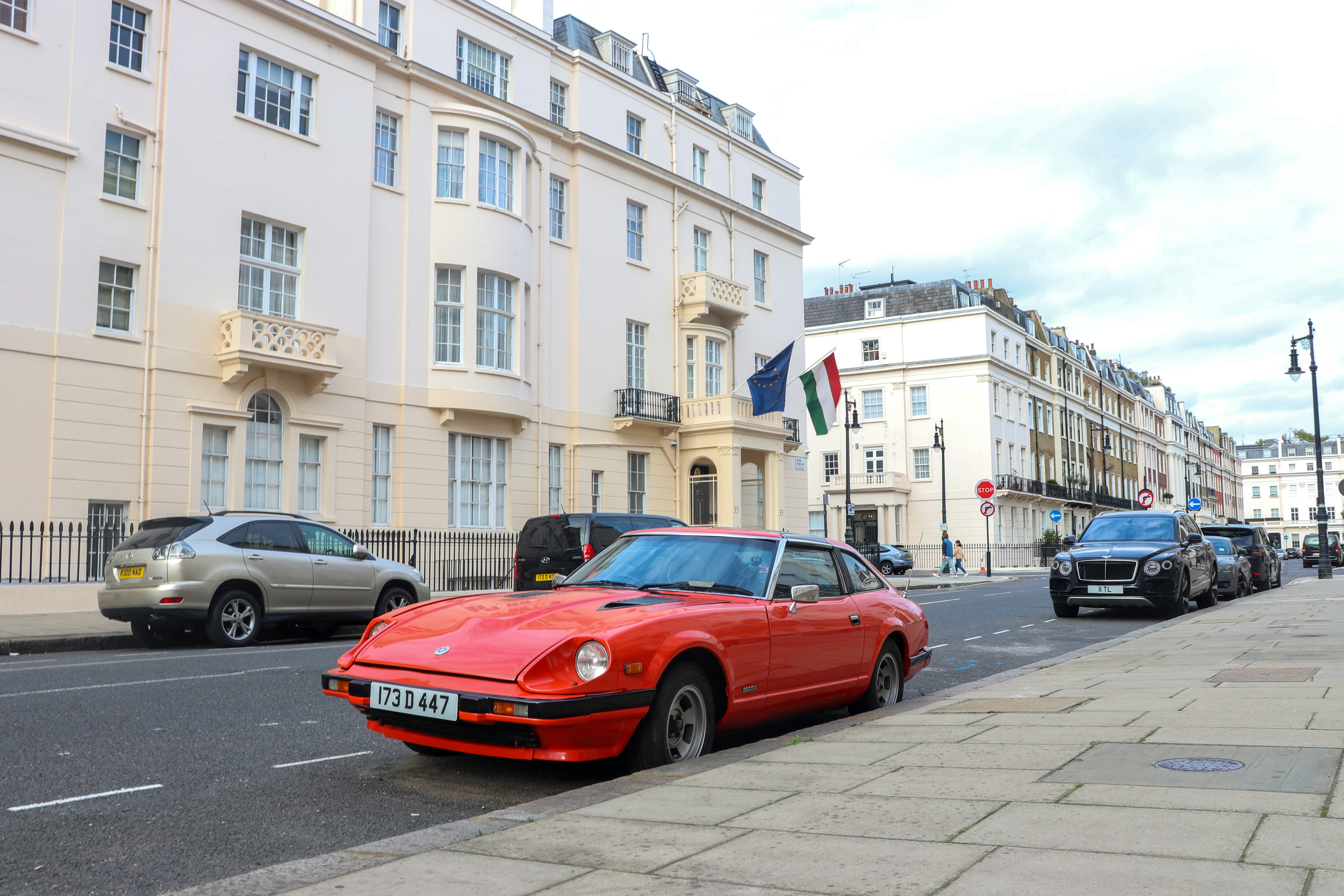
Firstly, check who you are getting your visa application requirements from. Citizens of different countries face different visa requirements. For example, as a Brit applying for a French student visa, I didn’t need a certificate of health for my application. However, citizens from other countries did need one. To ensure you are not wasting your time collecting documents you do not need, triple check what requirements you are following. Make sure to only take advice from your fellow citizens who are applying to the same host country. Additionally, make sure that the requirements you are following are current. Countries constantly change the application process and the hurdles they want you to jump. If you’re following advice that’s five years old, you might end up missing something out. Try to only take the advice from your host country’s embassy.
Make a checklist
Make a comprehensive list of all the requirements to follow and documents to collect. Order your list in terms of priority. Think about what will take the most time to do. My sister studied abroad in Spain and needed a certificate of health. This process surprisingly took her ages and retrospectively she wishes she had done this process first. Put the most time-consuming tasks right at the top and aim to do these first.
Get in contact with someone on their year abroad

To find out which tasks are the most arduous, ask someone in the year above for their insight. My home university matched us up with someone already on their year abroad so we could pick their brains. Ask them what took them the longest so you’ll know where to start.
Find out when you can start applying
Establish when you can start applying for a visa. You might want to start the visa application process immediately upon your placement or university offer, however, red tape can stop you from doing so. For my French student visa, I could start applying up to three months before my course began. Any earlier and my application would have been refused. But once you can, immediately get started. The more time you have built in, the more cushioning you have if something goes wrong.
Avoid procrastinating!
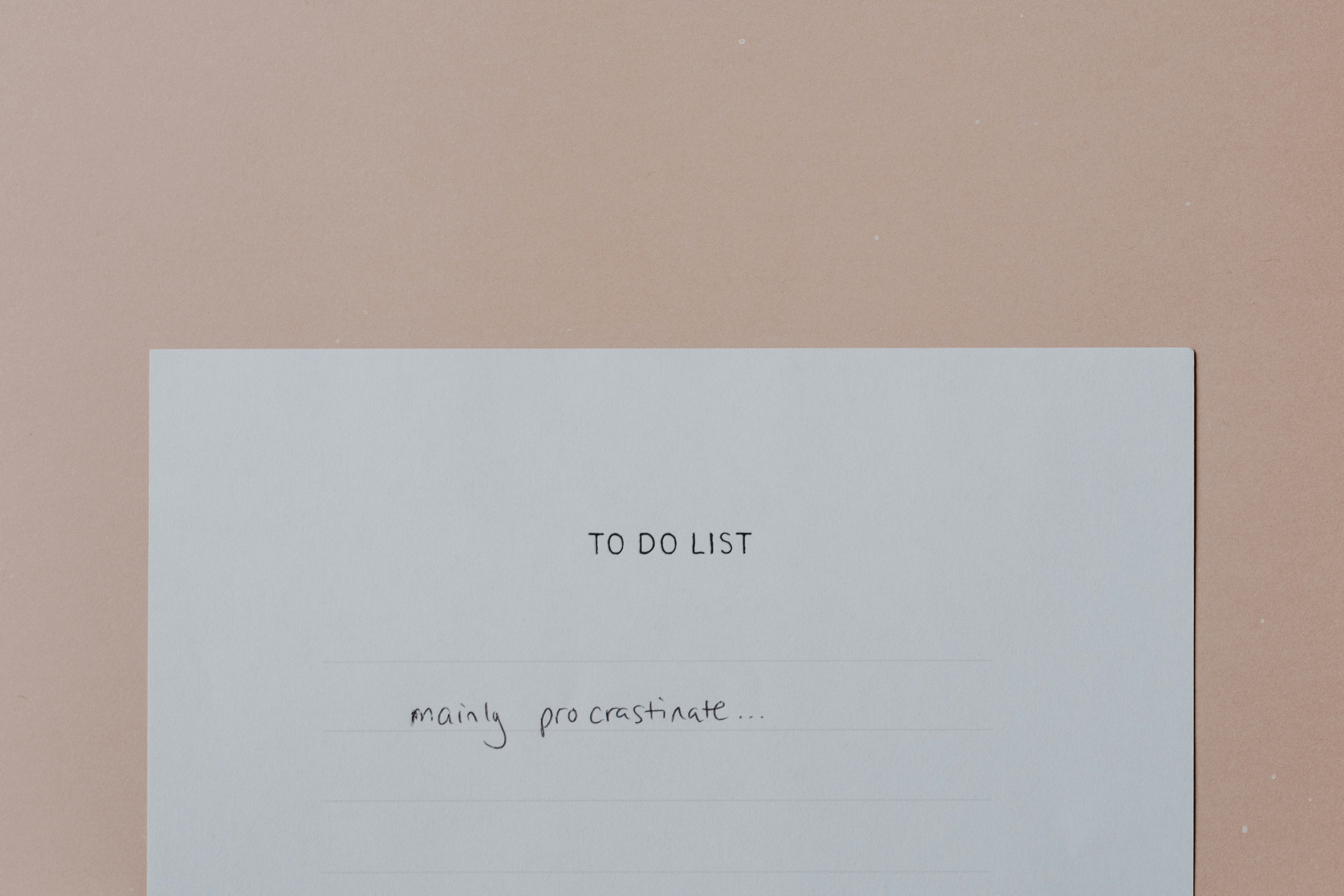
When I first started applying for my visa, I was so worried about the entire process, it meant that I was procrastinating. However, this just made everything that much harder. Know that, largely, the visa process is not actually difficult, it’s just a bit repetitive. It might feel like you are being asked millions of questions, however, it’s usually just the same five questions asked repeatedly. As long as you know your name, date of birth, address, home university, and host organisation, you will be fine.
Stay on top of it all
Set aside time each week to work through a chunk of your application. Depending on your requirements, you might need to set aside more or less time. I set aside two hours each week to dedicate to my application process. This kept me more organised and on top of it all.
Your stages need to be approved
The visa application process is usually divided into different stages. In order to progress to the next stage, the embassy needs to approve the stage you have just done. However, bureaucrats are notoriously slow. It might take a few days for your work to be approved, which is why it’s essential for you to get started at the earliest possible opportunity. If you leave it to the last moment, you lose precious time. If you haven’t heard back from the embassy about whether you can progress to the next stage, I recommend giving them a call. Whenever I rang up, I got through rather promptly and they would fix any issues I was having.
Visa appointments
The final stage of your visa application will be an in-person meeting. It is essential that you bring physical copies of every single document you have ever been asked for. At my appointment, there were some people in the queue who genuinely just turned up with their passport and they were immediately sent home. Every document you have ever uploaded in the application process will be needed in your appointment. Bring a folder and organise your documents well so you know where everything is. It’s better to bring more documents than to not have something. I wasn’t explicitly asked for my GHIC (Global Health Insurance Card), however I brought it with me and they did look at it in the appointment. Oftentimes, you’ll be given a checklist before your appointment of everything to bring, so no excuses for forgetting something!
For your visa appointment, arrive early and dress smart. It does involve a lot of sitting around and waiting, but that’s just part of the process. Bring a book and you’ll be fine.
Whilst visa applications are not the most fun thing in the world, you can make the process much smoother by avoiding procrastination. Follow all your requirements, reach out to those who have been through the process, and get started when you can to make everything far less stressful!