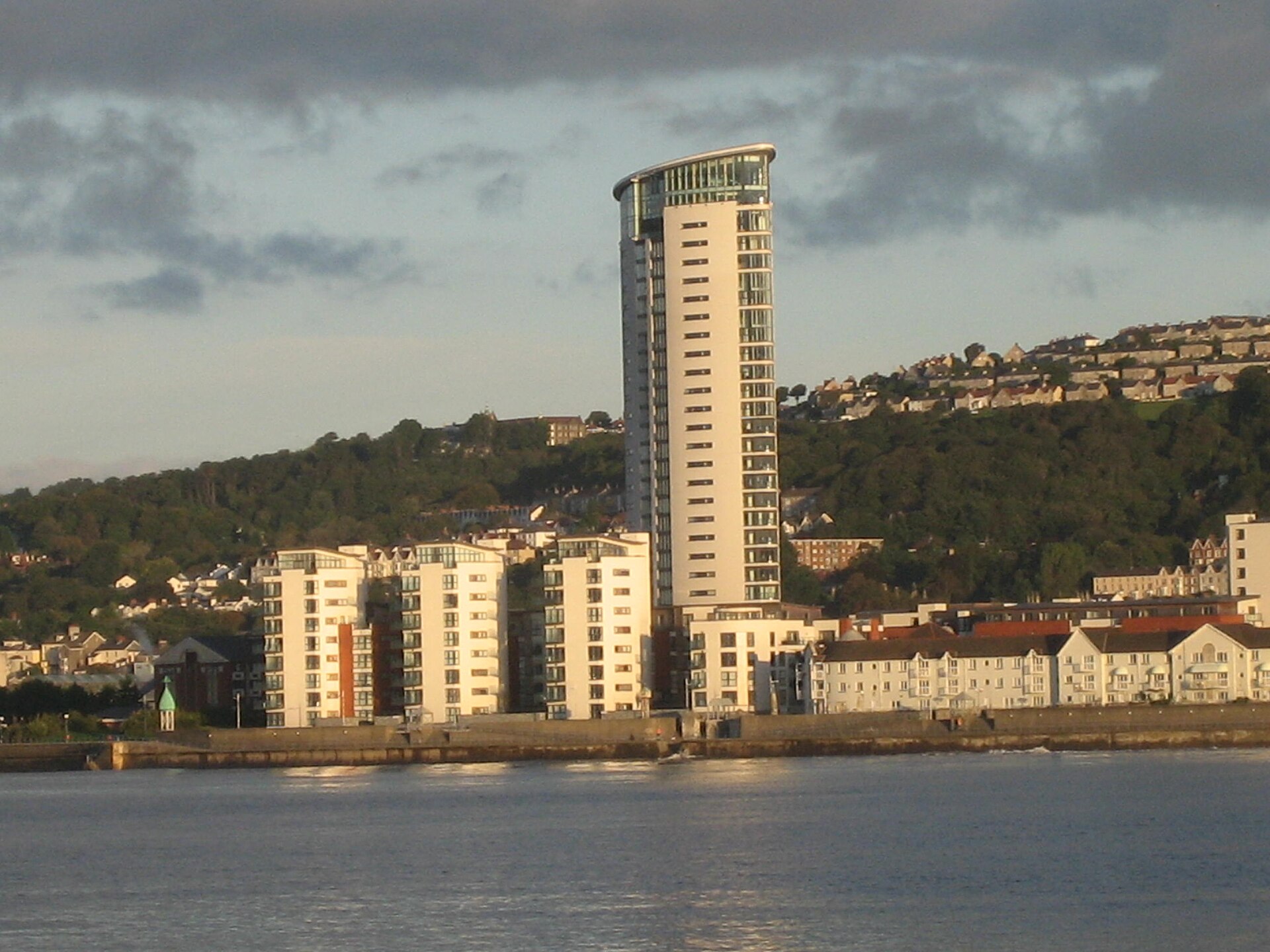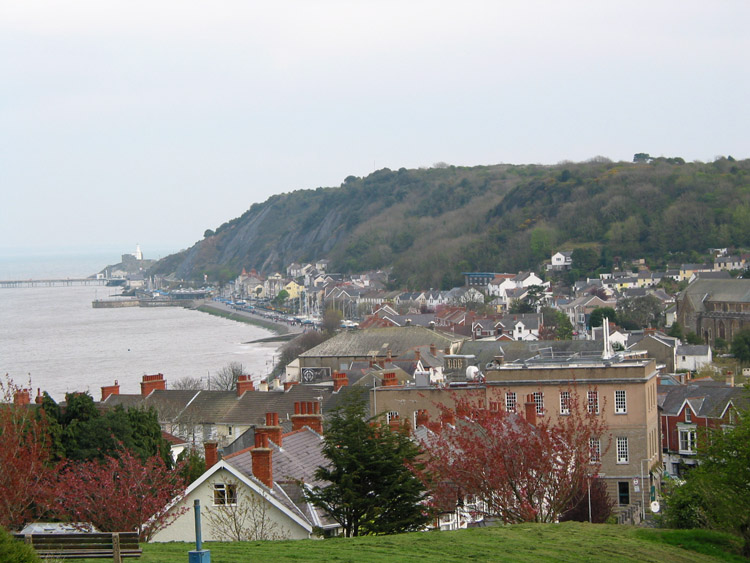
Swansea is home to two prestigious institutions offering exceptional education and student experiences.
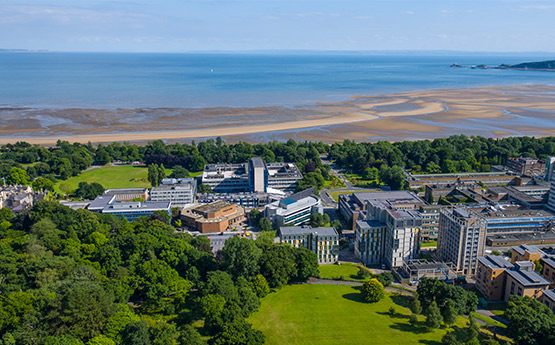
Swansea University is a Russell Group institution with a stunning Bay Campus right on Swansea Bay — one of the most spectacular university settings in the UK. Strong in engineering, science, medicine, law, and management, and with a new campus directly on the seafront, Swansea combines genuine research quality with an extraordinary natural setting. The Gower Peninsula — the UK's first Area of Outstanding Natural Beauty — is minutes away, and Cardiff is 45 minutes by train.

Swansea is a Russell Group institution with genuine research strength in engineering and advanced manufacturing, computer science, medicine and health sciences, law, and management. The Bay Campus houses world-class facilities including the £450m waterfront development. The College of Medicine is part of the Wales medical school network. Strong industry links with manufacturing, energy, and life sciences sectors in South Wales and beyond. Graduate employment outcomes are strong, particularly in engineering and the health professions.

Swansea's Bay Campus sits directly on Swansea Bay — the views from the campus out to sea are extraordinary. The Gower Peninsula — the UK's first Area of Outstanding Natural Beauty — is 20 minutes away, with Rhossili Bay consistently ranked among the UK's finest beaches. Cardiff is 45 minutes by train. Brecon Beacons National Park is an hour away. Dylan Thomas, one of the 20th century's greatest poets, was born and is celebrated in Swansea. The city has a warm, community-oriented Welsh character genuinely unlike anywhere else in the Unifresher set.

With 20,000+ students from over 130 countries, Swansea has a diverse and outward-looking student community with a genuinely warm Welsh character. The Students' Union is active and well-resourced, with a strong sports culture — Swansea is a city that takes its rugby and football seriously. Swansea's manageable size creates a tight-knit student experience where students rarely feel anonymous. The two-campus model — Singleton Park and Bay — creates distinct communities that come together across the city's bars and social scene.

Swansea is one of the UK's most affordable major student cities — average rent runs £400–£600/month, significantly below London, Brighton, or Edinburgh. Welsh students studying in Wales may also qualify for additional Welsh Government student finance support. The Gower, Swansea Bay, and Brecon Beacons are all free and spectacularly accessible. Cardiff is 45 minutes for expanded opportunities. A 16–25 Railcard makes Bristol (around 1.5 hrs) and London (about 3 hrs) accessible for work and weekends.
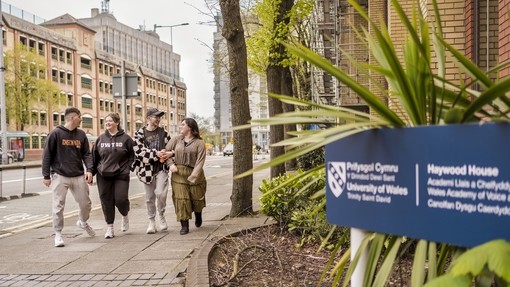
The University of Wales Trinity Saint David is a university with campuses in Swansea and Carmarthen — strong in art and design, education, business, social work, nursing, Welsh language, and the creative arts. With strong Welsh language provision and deep connections to the cultural and creative sectors of South West Wales, it offers a distinctive, professionally oriented, and community-embedded student experience.

UWTSD is strong in art and design (Swansea College of Art is one of Wales' oldest and most respected creative institutions), initial teacher education, nursing, business, social work, and Welsh language provision. The university is deeply embedded in the creative and cultural sectors of South West Wales, with strong professional placement links in health, education, and the arts. Welsh-medium provision is a genuine differentiator for students who wish to study in or develop their Welsh language.

UWTSD's Swansea campus is in the city centre and SA1 waterfront development. The Carmarthen campus is in the heart of Welsh-speaking West Wales — a very different experience from urban student life, surrounded by countryside and the Carmarthenshire coast. Both campuses offer the Gower Peninsula's extraordinary beaches within easy reach. Cardiff is 45 minutes from Swansea. The Welsh-speaking community gives UWTSD a cultural distinctiveness genuinely unlike any other university in the Unifresher set.

With 8,000+ students across its campuses, UWTSD is small enough that staff genuinely know their students — an important factor particularly in practical and creative disciplines. The Welsh-language community adds a layer of cultural richness and identity uncommon in UK higher education. Swansea's overall student scene — shared with Swansea University's 20,000+ — creates a lively social environment that belies the city's modest size. Welsh warmth and community spirit are genuine features of the student experience at UWTSD.

Swansea is one of the UK's most affordable student cities, and UWTSD's tuition fees are competitive. Rent averages £380–£560/month — exceptional value compared to most UK student cities. Welsh students studying in Wales may qualify for additional Welsh Government support including maintenance grants. The Gower, Swansea Bay, and Carmarthenshire coast are all free. A 16–25 Railcard makes Cardiff (45 min) and Bristol easily accessible. Cost of living in Swansea is genuinely low — students can experience an outstanding quality of life here without a large budget.
Discover the best areas to live based on your budget, lifestyle and university.
Uplands
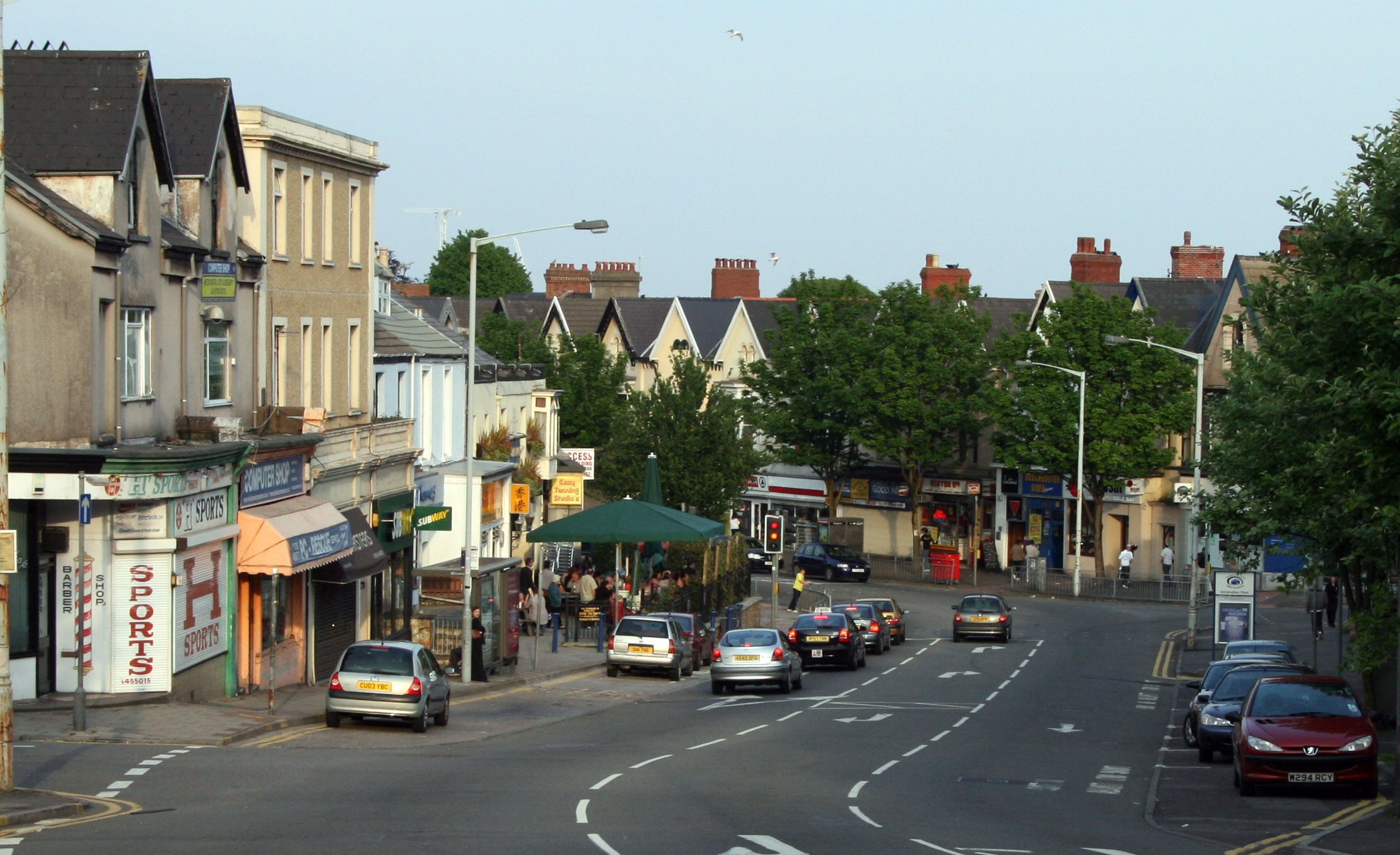
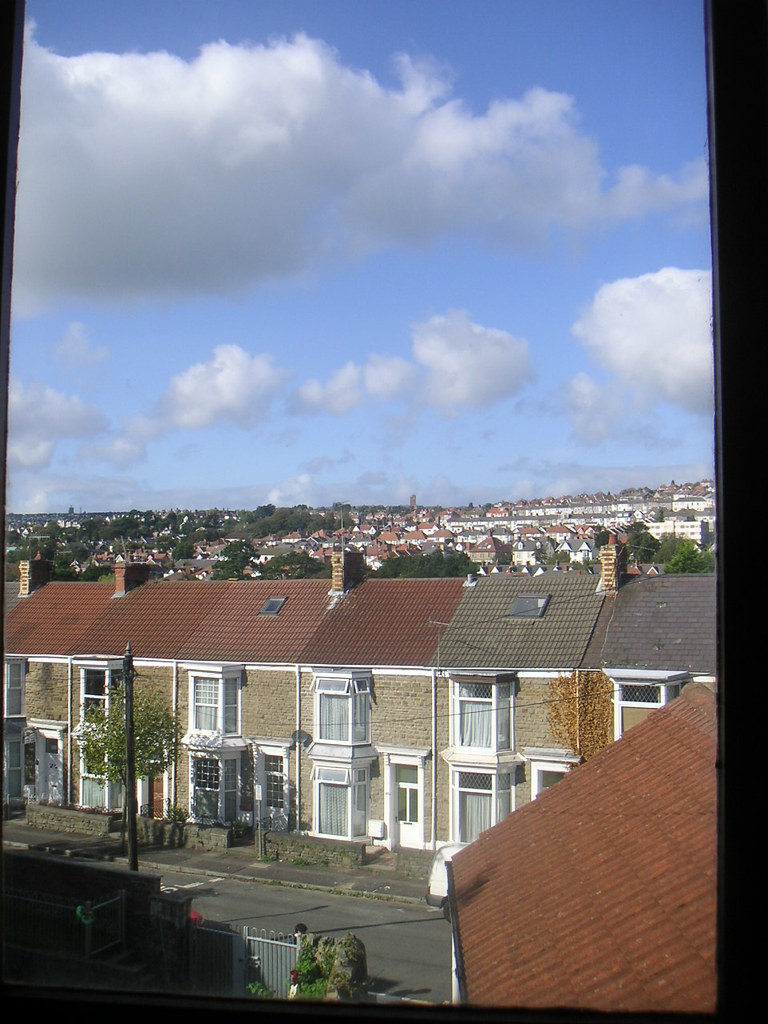
The heartland of Swansea student life — Uplands is the most popular student neighbourhood in the city, dominated by Victorian and Edwardian terraces just north of Singleton Park and within easy reach of the Singleton campus. Uplands Crescent and the surrounding streets are packed with students, independent bars, takeaways, and cafés. Dylan Thomas was born here — and the area has a Bohemian, creative, characterful atmosphere unlike most student neighbourhoods in the UK. Very social, very popular, and fills fast. Start looking in November.
Uplands
Adjacent to Uplands and directly bordering Singleton Park — Brynmill is popular with Swansea University students who want campus proximity with a slightly quieter, more residential character than core Uplands. Brynmill Park is a lovely free green space in the heart of the neighbourhood. The park itself borders the university's Singleton campus on one side, making this one of the most genuinely campus-adjacent student areas in the whole Unifresher set. Good bus links, lower rents than Uplands, and an easy walk to lectures.
City Centre
SA1 is Swansea's regenerated waterfront quarter — modern apartments, bars, and restaurants along the marina, and one of the most exciting urban environments in Wales. Popular with UWTSD students whose Swansea campus is here, and with Swansea University students who want city-centre convenience and a distinctive waterfront setting. More expensive than Uplands but the modern apartments and waterfront lifestyle are genuinely attractive. The city's main bars, shops, and the Wind Street nightlife scene are all walkable.
Bay
One of the most beautiful places to live as a student anywhere in the UK — Mumbles is a charming seaside village at the western end of Swansea Bay, with outstanding independent restaurants, cafés, and bars, a pier, and direct views across the bay to the hills beyond. Students at Swansea's Bay Campus — which is on the seafront between the city and Mumbles — find it a genuinely extraordinary commute. More expensive than Uplands but the quality of life is exceptional. The Gower's Langland Bay and Caswell Bay are just minutes away.
Everything you need to know about student accommodation in Swansea.
Secure your student accommodation using these four steps the year before moving in.
Start researching areas and viewing properties for next year. Get a feel for the market before competition heats up.
Peak house hunting season — the best properties go fast. View, decide, and secure your place early!
Last chance to secure places and sign contracts. Don't leave it any later — good options will be gone.
Finalise details, arrange deposits, and prepare to move in. Summer admin sorted before the new year starts.
The best websites and resources for finding student housing in Swansea — from official university portals to local letting agents.
Our in-depth review of the top letting agencies in Swansea — rated for responsiveness, value, and student experience across Uplands, Brynmill, Sketty, and beyond.
The official Swansea University accommodation portal — covering Bay Campus and Singleton Park halls, and private sector guidance for returning students searching in Uplands, Brynmill, Sketty, and Mumbles.
Visit siteOfficial housing support for University of Wales Trinity Saint David students — covering Swansea and Carmarthen campus halls and private sector listings in SA1, the city centre, and Uplands close to UWTSD's Swansea campus.
Visit siteReputable nationwide student accommodation site with Swansea listings — great for finding shared houses in Uplands, Brynmill, Sketty, Gorseinon, and SA1 near both universities.
Visit siteStudent property search across Swansea with hundreds of listings. Filter by area, price, and bedrooms to compare Uplands, Brynmill, Sketty, and SA1 — and find some of the most affordable student rents anywhere in the UK.
Visit siteSearch private rentals across Swansea. Great for comparing prices from Sketty and Uplands through to the most affordable Gorseinon and Llansamlet — and for spotting SA1 waterfront and Bay Campus PBSA options.
Visit siteFind individual rooms in shared houses across Swansea — ideal for joining an existing household in Uplands, Brynmill, or Sketty near Swansea University, or in SA1 or the city centre for UWTSD students.
Visit siteGet a realistic estimate of living costs in Swansea with our interactive calculator
From the best student nights out to walking routes around the town, get to know Swansea with our range of guides written by local students.
Whether your child is considering studying in Swansea or already enrolled, this guide covers costs, safety, accommodation, and what life is really like as a student in one of the UK's most beautiful and affordable student cities — a Russell Group university with a Bay Campus on the seafront, the Gower Peninsula on the doorstep, and Cardiff 45 minutes away.
Both universities guarantee or strongly support first-year students with managed halls. Swansea University has halls at both the Singleton Park campus and the Bay Campus — the Bay Campus halls sit directly on the seafront, which is genuinely extraordinary. From second year, most Swansea University students move to Victorian terraced houses in Uplands and Brynmill, both within easy reach of Singleton. UWTSD students tend to favour SA1 and the city centre. Uplands fills fast — start looking in November. Brynmill is quieter and slightly more affordable.
Swansea is one of the UK's most affordable student cities — typical monthly costs run £880–£950 covering rent, food, transport, and social life. Rent averages just £380–£580/month — among the lowest of any UK student city, and dramatically cheaper than London, Edinburgh, or Brighton for comparable Russell Group academic quality. Welsh students studying in Wales may also qualify for additional Welsh Government maintenance support. The Gower Peninsula — the UK's first AONB — is 20 minutes away and free. Cardiff is 45 minutes for additional opportunities.
Swansea has two distinct universities. Swansea University is a Russell Group research institution strong in engineering, medicine, computer science, law, and management — with a stunning Bay Campus on the seafront that is one of the most dramatic university settings in the UK. UWTSD has campuses in Swansea (SA1 Waterfront) and Carmarthen, with strong programmes in art and design, teacher education, nursing, and Welsh language provision — genuinely distinctive for students who wish to study in or develop their Welsh.
Swansea University open days →Both universities provide comprehensive counselling, mental health advisors, financial hardship funds, disability services, and academic support. Swansea University's Students' Union is active and well-resourced, with strong welfare and housing advice services. UWTSD is small enough that staff genuinely know their students, creating a particularly personal support environment. Swansea's warm Welsh community character means students from across the UK and internationally consistently settle quickly and feel genuinely at home. Both universities have 24-hour support lines.
UWTSD student support →Parents are warmly welcomed at both Swansea open days. Tour Swansea University's Singleton Park campus and — crucially — the extraordinary Bay Campus on the seafront, where the views across Swansea Bay are genuinely breathtaking. Visit UWTSD's SA1 Waterfront campus. Both universities answer detailed questions about fees, bursaries, Welsh student finance, welfare, placements, and graduate outcomes. Swansea itself is a deeply rewarding visit — the Gower Peninsula, Mumbles, and Dylan Thomas's birthplace are all immediately accessible.
Book your open day visit →Swansea's setting is extraordinary. The Gower Peninsula — the UK's first Area of Outstanding Natural Beauty — is 20 minutes away, with Rhossili Bay consistently ranked among the UK's finest beaches. Mumbles, the beautiful seaside village at the western end of Swansea Bay, is a short bus ride. The National Waterfront Museum, Swansea Museum, and Dylan Thomas's birthplace are all free. The Brecon Beacons National Park is an hour away. Cardiff — one of Europe's youngest and most vibrant capital cities — is just 45 minutes by train.
Swansea is a safe and welcoming city for students. The main student areas — Uplands, Brynmill, and Sketty — are well-established, community-oriented residential neighbourhoods with a strong student presence. Both universities have active welfare and security services. Swansea's genuinely warm Welsh community character means students from outside Wales consistently report feeling welcomed and at home quickly — it is a city with a natural warmth that is not easily replicated. Both universities provide comprehensive safety induction programmes for arriving students and have proactive welfare teams throughout the academic year.
Typical monthly costs run £880–£950 including rent, food, transport, and social life — making Swansea one of the UK's most affordable student cities by a significant margin. Rent averages £380–£580/month in shared houses in Uplands, Brynmill, and Sketty. Welsh students studying in Wales may qualify for additional Welsh Government maintenance support — worth checking eligibility via Student Finance Wales. A 16–25 Railcard makes Cardiff (45 min), Bristol (~90 min), and London (via Cardiff) all accessible. The Gower Peninsula is free and 20 minutes away by bus.
Both universities provide comprehensive counselling, mental health advisors, financial hardship funds, and academic support. Swansea University's SU has dedicated welfare and housing advice. UWTSD's small scale means a genuinely personal support environment — staff know students individually in a way that large urban universities often cannot replicate. Swansea's tight-knit student community — reinforced by Welsh cultural warmth — means students rarely feel anonymous. Both universities have made significant investment in proactive mental health outreach and have 24-hour support available.
Swansea is well connected for parent visits from England and Wales. Cardiff is 45 minutes by train — and Cardiff has excellent onward connections to Bristol, London, and the rest of the UK. From London Paddington, the journey to Swansea via Cardiff takes around 3 hours. Swansea Central station is in the city centre. When you visit, Swansea genuinely rewards it — a trip to the Bay Campus on the seafront, a drive to Rhossili Bay on the Gower, and lunch in Mumbles is one of the finest parent-visit days available anywhere in the Unifresher set. Most parents are astonished by how beautiful it is.
Swansea University and UWTSD both welcome parents at open days — tour the campuses, meet academic and welfare staff, and get honest answers about student life, fees, Welsh Government finance, bursaries, and what it's really like to study in one of the UK's most beautiful, affordable, and characterful student cities.
Everything you need to know about student life in Swansea.
Swansea is one of the UK's most affordable student cities — joint lowest in the Unifresher set alongside Dundee. Total monthly costs typically run £880–£950 covering rent, food, transport, and social life. Rent averages just £380–£580/month in Uplands, Brynmill, and Sketty — dramatically cheaper than London, Edinburgh, or Brighton, and noticeably below even Sheffield or Nottingham. Welsh students studying in Wales may also qualify for additional Welsh Government maintenance grants through Student Finance Wales — worth checking carefully, as this can significantly reduce the effective cost of studying here. The Gower Peninsula is 20 minutes away and completely free.
Swansea is a safe and genuinely welcoming city for students. The main student areas — Uplands, Brynmill, and Sketty — are well-established, community-oriented residential neighbourhoods with a strong student presence during term. Both universities have active welfare and security services. Swansea's warm Welsh community character means students from outside Wales consistently report settling in quickly and feeling at home — it is a city with a natural warmth and community spirit that is somewhat unusual in the UK student city set. Both universities provide comprehensive safety induction and have proactive welfare teams throughout the year.
Swansea has a lively nightlife scene for a city its size — Wind Street in the city centre is the main nightlife corridor, with a dense concentration of bars and clubs popular with both universities' students. The Swansea University Students' Union runs an active programme of student nights at both Singleton Park and the Bay Campus. Uplands' independent bar scene — centred on Uplands Crescent — has a more Bohemian, characterful feel and is notably cheaper than city-centre chain venues. Mumbles' independent restaurant and bar scene is outstanding for a more relaxed evening out. Cardiff is 45 minutes by train for a dramatically larger nightlife and live music scene.
First-year accommodation is guaranteed or strongly supported at both universities — no private searching needed in year one. For private housing from second year, start looking in November. Uplands — Swansea's most popular student area, centred on the bars and cafés of Uplands Crescent — fills fast, with the best houses going by December or January. Form your house group early in the first term, begin viewings in November, and sign by January if possible. Brynmill fills slightly later and is better value. Sketty and Gorseinon can be searched a little longer. UWTSD students looking at SA1 and the city centre have more flexibility throughout the year.
University halls typically cost £420–£720/month including bills at both Swansea University and UWTSD — with Bay Campus halls on the seafront at the higher end. Shared Victorian terraced houses in Uplands average £440–£560/month per person excluding bills. Brynmill is comparable or slightly lower. Sketty runs slightly higher but offers better housing quality. Gorseinon and Llansamlet offer some of the lowest rents in the entire Unifresher set — typically £320–£440/month. PBSA in SA1 and the city centre runs £520–£820/month with bills usually included. Swansea is significantly cheaper than almost every other student city in the UK for equivalent student housing quality.
Uplands is the Swansea University heartland — the most popular student area, with a Bohemian, characterful atmosphere and Dylan Thomas's birthplace in the heart of the neighbourhood. Brynmill is adjacent to Uplands and directly borders Singleton Park — uniquely campus-adjacent, with the park path to lectures one of the most pleasant commutes in UK student life. Sketty is popular with postgrads and final-year students — quieter, leafier, with Swansea Bay 10–15 minutes' walk. SA1 Waterfront is the natural home for UWTSD students — a modern regenerated marina quarter adjacent to the campus. Mumbles is the most beautiful option — a seaside village with an outstanding independent food scene.
No — most Swansea students manage without a car. Buses serve all main student areas including Uplands, Brynmill, Sketty, and the Bay Campus corridor, and Swansea University's Singleton campus is walkable (15–20 minutes) from both Uplands and Brynmill. UWTSD's SA1 campus is in the city centre. The Gower Peninsula is reachable by bus from the city centre. Mumbles is a short bus ride along the bay. Cardiff is 45 minutes by train from Swansea Central — no car needed. Parking in central Swansea is cheap by UK standards, but most students find buses, cycling, and walking more than sufficient for daily life.
Swansea is well connected by rail. Cardiff is 45 minutes by Transport for Wales — the most important link, opening up Cardiff's much larger job market, nightlife, and transport connections. Bristol is around 90 minutes. London Paddington is around 3 hours via Cardiff. Birmingham is around 2.5 hours. Swansea Central station is in the city centre. Cardiff Airport (25 minutes from Cardiff Central) serves European budget routes. Bristol Airport is accessible by train and coach for a wider range of European destinations. A 16–25 Railcard makes Cardiff and Bristol dramatically cheaper and very viable for regular trips.
Swansea relies on buses and trains — there is no tram network. First Cymru operates the main bus network, serving Uplands, Brynmill, Sketty, the Bay Campus corridor, and the city centre with reasonable frequency. The Bay Campus is served by a dedicated shuttle from Singleton during peak hours. Swansea Central station is in the city centre and connects directly to Cardiff, Bristol, and London. The Gower is reachable by bus from the city centre in around 30–40 minutes depending on the destination. Overall, the bus network is adequate for student life, though students in Brynmill and Uplands find they walk most places during term.
Yes — your NUS/TOTUM card gets discounts across Swansea's shops, restaurants, and venues. A 16–25 Railcard is essential — Cardiff (45 min), Bristol (~90 min), and London (~3 hrs) all become significantly cheaper. Welsh students may qualify for Welsh Government maintenance grants through Student Finance Wales — worth checking eligibility carefully. The Swansea University SU runs subsidised events and bar nights significantly cheaper than city venues. The National Waterfront Museum, Swansea Museum, and Dylan Thomas's birthplace are all free. The Gower Peninsula, Swansea Bay, and Brynmill Park cost nothing. Mumbles is a short, cheap bus ride for outstanding independent cafés and food.
Swansea has a reasonable part-time job market — particularly in hospitality, retail, healthcare, and the tourism sector. The city's growing SA1 and waterfront district creates bar and restaurant work. Both universities have careers services with on-campus job boards, student ambassador roles, and paid research assistant positions. Swansea Bay Stadium (Swansea City AFC) creates event-day hospitality work. The tourism sector — particularly around the Gower and Mumbles — creates seasonal work in accommodation, food service, and outdoor activities. Cardiff is 45 minutes for a dramatically expanded job market, and a 16–25 Railcard makes commuting viable.
Swansea's natural environment is the defining feature of student life here — and it is extraordinary. The Gower Peninsula — the UK's first Area of Outstanding Natural Beauty — is 20 minutes away, with Rhossili Bay (one of the UK's finest beaches), Three Cliffs Bay, Langland Beach, and Caswell Bay all accessible by bus or bike. Mumbles village is a short bus ride for excellent independent food and coastal walks. The National Waterfront Museum is one of Wales' finest free museums. Dylan Thomas's birthplace in Uplands, the Swansea Museum, and the Glynn Vivian Art Gallery are all free. The Brecon Beacons National Park is an hour away. Cardiff is 45 minutes for a capital city's full cultural offering.
Swansea is consistently underrated nationally and genuinely outstanding for the quality of student experience it offers. A Russell Group university. Joint-lowest living costs in the UK student set. One of the UK's most spectacular natural settings — the Bay Campus on the seafront, the Gower minutes away, Mumbles along the bay. A warm Welsh community character genuinely unlike anywhere else. Dylan Thomas country. Cardiff 45 minutes. Students who choose Swansea consistently report very high satisfaction and strong personal attachment to the city — it is a place that surprises people, gets under their skin, and tends to keep them long after graduation.
Each university has distinct strengths. Swansea University is particularly celebrated for engineering (including advanced manufacturing — the university has strong links to the South Wales industrial corridor), computer science, medicine and health sciences, law, and management. The Bay Campus houses a £450m science and innovation quarter on the seafront. The College of Engineering is part of the SPECIFIC Innovation and Knowledge Centre for sustainable energy research. UWTSD is known for Swansea College of Art (one of Wales' oldest and most respected creative institutions), initial teacher education, nursing, social work, and Welsh-medium provision across multiple disciplines — genuinely distinctive nationally for Welsh-language higher education.
Yes — both are well-regarded in their respective categories. Swansea University is a Russell Group research institution — a significant mark of quality that places it among the UK's leading universities by research intensity and graduate employment. It consistently appears in national top-30 rankings and has been rising through the tables in recent years. UWTSD is a well-regarded specialist institution with particular strength in teacher education, creative arts, and Welsh-medium provision — consistently strong for graduate employment in its specialist areas, particularly nursing and education in Wales. The combination of Swansea's research pedigree and UWTSD's specialist focus gives the city a complementary two-university character.
Entry requirements differ significantly. Swansea University is moderately selective — most courses require BBB–ABB at A-Level, with Medicine, Law, and Computer Science among the most competitive. Medicine requires UCAT in addition to grades. Swansea actively welcomes applications from Welsh-medium schools and has contextual offer policies. UWTSD is more accessible — most courses require BCC–ABB, with art and design courses assessed largely on portfolio, and teacher education courses assessed partly on interview. UWTSD is actively inclusive of students with BTECs and Access to HE qualifications. Both universities run Foundation Year programmes for students who need an additional preparatory year before their main degree.