
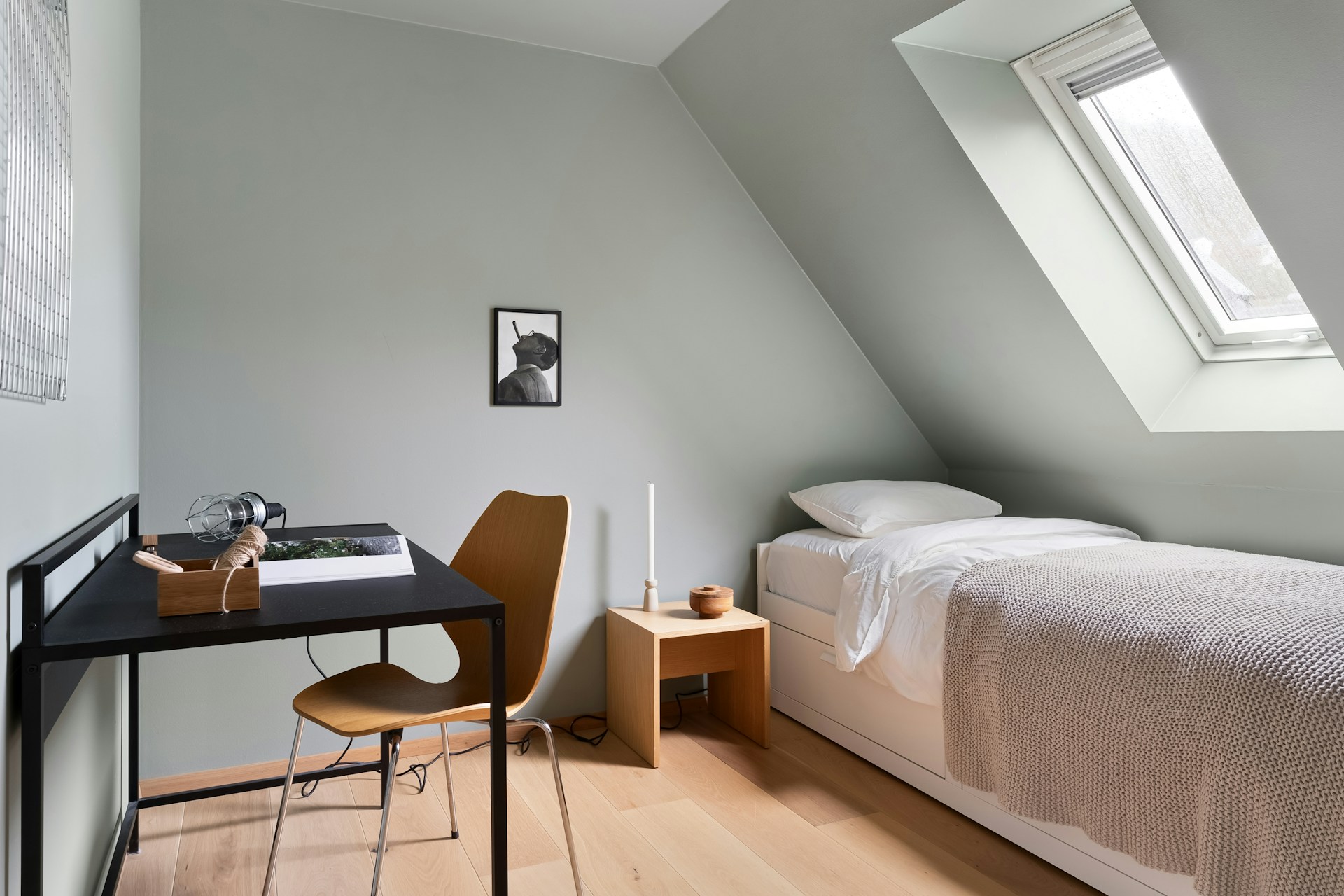
Student accommodation costs UK 2026/27
Compare university halls, PBSA, shared houses and studios using true annual cost rather than headline weekly rent. Calculate bills, move-in cash, maintenance-loan gaps, city differences and the real price of every accommodation offer.
How much does student accommodation cost?
The latest national accommodation survey found average rent of £575 per month. That headline does not tell you what one university room will cost. Surveyed university accommodation averaged £641 per month, private-landlord accommodation £576, and students living with parents or guardians £400.
The number that matters is the true annual cost: weekly rent multiplied by charged weeks, plus bills, transport caused by the location, laundry and non-refundable accommodation charges. Keep refundable deposits separate as move-in cash.
Average student accommodation costs by type
The accommodation route changes the weekly price, contract length, included bills, support and amount needed before move-in.
University halls
£120–£220/weekUsually bills-inclusive and often contracted for roughly the teaching year.
- Common first-year route
- Contracts often around 38–42 weeks
- London and premium en-suites cost more
PBSA en-suite
£155–£260/weekModern private halls with bills and shared facilities usually included.
- Contracts commonly 44–51 weeks
- Facilities vary by building
- London can exceed £395/week
Shared student house
£85–£180/weekLower headline rent is common, but bills and longer occupancy can narrow the saving.
- Bills usually extra
- Often 46–52 weeks
- Deposit and household setup required
Studio
£150–£300/weekThe highest-cost route per person in many cities, with privacy and independent facilities.
- Popular with postgraduates
- Bills vary by contract
- London studios can exceed £550/week
| Accommodation type | Typical weekly range outside London | Common contract | Estimated annual occupancy cost |
|---|---|---|---|
| Standard university halls | £120–£145 | 38–42 weeks | £4,560–£6,090, bills normally included |
| En-suite university halls | £145–£180 | 38–42 weeks | £5,510–£7,560, bills normally included |
| PBSA en-suite | £155–£220 | 44–51 weeks | £6,820–£11,220, most bills normally included |
| PBSA studio | £200–£300 | 44–51 weeks | £8,800–£15,300, most bills normally included |
| Private shared house | £85–£160 | 46–52 weeks | About £5,510–£10,720 after broad bill assumptions |
| Private studio | £150–£250 | 46–52 weeks | About £8,500–£15,000 depending on bills |
Calculate the true annual cost of a room
Separate ongoing accommodation cost from refundable move-in money. Presets give a sensible starting point, but the signed offer should replace every figure.
Offer details
True cost results
Compare two student accommodation offers
Use the exact contract weeks and monthly extras. The tool compares occupancy cost, not room quality or contract flexibility.
Offer A
Offer B
What is included in student accommodation rent?
University halls and PBSA usually include
- Gas and electricity
- Water and sewerage
- Broadband and WiFi
- Building maintenance
- Communal-area cleaning
- Basic contents insurance
- Security or on-site support
Always check separately
- Energy fair-use limits
- Laundry prices
- Catering and meal periods
- Parking
- Bike storage
- Gym or premium facilities
- Summer storage
Usually extra in all routes
- Food and groceries
- TV Licence where required
- Phone contract
- Course equipment
- Travel to university
- Additional insurance
- Personal cleaning supplies
How much are student-house bills?
The 2026 accommodation survey reported average separate energy spending of £83 per month. The guide uses £70 to £120 per person per month as a broader all-bills planning range.
Winter use, property size, tariffs and EPC rating have the biggest effect.
Charging differs by region and whether the property is metered.
Per-person figure when a suitable shared package is divided across the house.
Required where the household watches live television or uses BBC iPlayer.
Check cover for laptops, bikes, accidental damage and items outside the home.
| Question | What to request before signing |
|---|---|
| How expensive was the property last winter? | Previous energy use or bills where available, plus the current EPC |
| Are bills included? | Every included service, fair-use allowance and excess rate |
| Who manages the accounts? | Named suppliers, account responsibility and meter-reading process |
| Is water metered? | Charging method and how the household is registered |
| Is the broadband suitable? | Speed, contract length, setup date and cancellation cost |
| Does the house owe Council Tax? | Student status of every occupier and local exemption process |
How much money is needed before moving in?
Move-in cash is not the same as final annual cost. A refundable deposit can return later but still needs funding before the first maintenance instalment.
Move-in cash calculator
Add only amounts genuinely due before or at move-in.
Student accommodation costs by city
These 2026 planning ranges combine common student accommodation routes rather than guaranteeing one live room. Use the full city hub for 30 markets.
| City | Weekly planning range | Monthly range with bills | Cost band |
|---|---|---|---|
| Newcastle | £115–£140/week | £580–£700/month | Good value |
| Nottingham | £115–£145/week | £580–£720/month | Good value |
| Liverpool | £120–£145/week | £600–£715/month | Good value |
| Sheffield | £120–£155/week | £600–£760/month | Good value |
| Leeds | £135–£165/week | £670–£805/month | Mid-range |
| Cardiff | £140–£170/week | £690–£825/month | Mid-range |
| Glasgow | £145–£175/week | £710–£850/month | Mid-range |
| Birmingham | £145–£180/week | £710–£865/month | Mid-range |
| Manchester | £150–£185/week | £735–£890/month | Mid-range |
| Bristol | £165–£220/week | £805–£1055/month | Higher-cost |
| Bath | £165–£215/week | £805–£1035/month | Higher-cost |
| Edinburgh | £175–£230/week | £850–£1100/month | Higher-cost |
| Brighton | £175–£225/week | £850–£1080/month | Higher-cost |
| Oxford | £195–£260/week | £940–£1230/month | Higher-cost |
| London | £220–£340/week | £1055–£1600/month | Most expensive |
Will student finance cover the accommodation?
Use the student's actual annual funding award rather than the maximum headline. Add essential non-housing living costs to reveal the real gap.
Student maintenance support for 2026/27
The student's ordinary residence and eligibility determine which funding body applies. Figures are not interchangeable across England, Wales, Scotland and Northern Ireland.
Loan up to £14,135
2026/27 maximum support is £9,118 at home, £10,830 away outside London and £14,135 away in London. Actual awards are means tested.
Loan and grant mix
Standard 2026/27 support totals up to £10,685 at home, £12,590 away outside London and £15,720 in London, split between loan and grant.
Apply through SAAS
The main 2026/27 undergraduate package can reach £11,400 for students in the lowest household-income band, with the mix depending on circumstances.
Different loan rates
2026/27 maximum Maintenance Loans include £8,352 away outside London and £11,699 in London, subject to income and eligibility.
Bursaries and hardship
Universities can offer automatic bursaries, scholarships, emergency grants and accommodation payment support.
Work and savings
Use realistic work hours, visa restrictions, tax and academic workload rather than treating employment as guaranteed rent funding.
| Support source | How it can help accommodation | Action |
|---|---|---|
| Maintenance loan or support package | Core rent and living-cost funding | Use the actual entitlement letter and payment dates |
| University bursary | Non-repayable annual support | Check whether assessment is automatic or separate |
| Hardship fund | Emergency or exceptional shortfall support | Apply before arrears become serious |
| Accommodation bursary | Discount, grant or supported room | Search the university accommodation and widening-participation pages |
| Part-time work | Monthly contribution toward living costs | Use realistic hours and check visa or course restrictions |
| Family or household contribution | Fills the means-tested loan gap | Agree an affordable amount rather than assuming support |
Accommodation budgeting by student situation
University halls focus
Compare the shorter contract, included bills, catering and first payment date. The lowest weekly price is not always the lowest first-year annual cost.
Shared-house focus
Add private bills, deposit, transport and the effect of an English periodic tenancy or the relevant national contract system.
Cash-flow focus
Add visa funding requirements, flights, early arrival, currency movement, guarantor routes and provider payment schedules.
Year-round focus
A 50 or 51-week contract can be useful, but studios and summer occupancy make annual cost especially important.
Location focus
Calculate transport to placement and whether the room remains useful when the course location changes.
Travel focus
Compare saved rent with commuting, timetable gaps, late travel and the number of days actually on campus.
Is the accommodation genuinely affordable?
Tick only checks completed using the exact offer and confirmed funding, not an advertised starting price.
How to reduce student accommodation costs
Compare cities
A £50 weekly difference can equal £5,850 across three 39-week years.
Use only the weeks needed
A shorter halls contract can beat a cheaper 51-week room.
Shared bathroom
Avoiding an en-suite premium can save hundreds or thousands annually.
Choose a better EPC
Efficient private housing can reduce winter bills and discomfort.
Price the commute
A slightly dearer room near campus can be cheaper overall.
Use bursaries early
Search university bursaries and hardship support before accepting unsuitable debt.
Split fixed bills
Larger groups can divide broadband and some standing costs more widely.
Protect the evidence
Inventory records reduce the risk of unsupported deductions.
Compare catering honestly
Choose catered halls only when the meals replace genuine food spending.
Do not save by accepting an unsafe or unlawful property
Low rent does not compensate for missing HMO licensing, dangerous disrepair, poor security, an unverifiable landlord or a contract the student cannot understand.
Prioritise savings that repeat every week
A modest weekly reduction, shorter contract or lower recurring transport cost normally creates more value than a one-off promotional incentive.
Use Unifresher’s accommodation cluster as one decision system
Compare the city, accommodation type, provider, application timing, guarantor, deposit and contract before treating any quoted price as affordable.
Questions students ask about accommodation costs
Average cost queries
Average university halls cost UK Average PBSA price per week Average student house rent Student rent by UK cityBills and hidden costs
How much are student energy bills? What is included in halls rent? Hidden student accommodation fees How much money before move-in?Funding and affordability
Will student finance cover my rent? Maintenance support by home nation Can I afford this accommodation? How to reduce university rentAccommodation decisions
Are halls worth the cost? Is private renting cheaper? Catered or self-catered cost? Cheapest student cities UK
Price the complete year and the first payment day
- Rent multiplied by weeks. Do not compare weekly figures alone.
- Recurring extras. Add bills, laundry and property-linked transport.
- Actual funding. Use the student's confirmed entitlement.
- Non-housing life. Leave enough for food, study, travel and emergencies.
- First rent date. Check whether it falls before student finance.
- Refundable cash. Deposits still need temporary funding.
- Guarantor route. Identify any genuine service cost before booking.
- Room setup. Include travel, bedding and kitchen essentials.
Continue planning your student accommodation
Use the supporting guides to turn the budget into a safe city, accommodation route, application and contract decision.
Student accommodation cost FAQs
Detailed answers covering average rent, halls, PBSA, private bills, city differences, maintenance support, deposits, move-in cash and affordability.
How much does student accommodation cost in the UK in 2026/27?+
The 2026 National Student Accommodation Survey reported average rent of £575 per month among respondents who paid rent. Actual costs vary widely by city, room type, contract length and whether bills are included.
What is the average weekly student rent?+
A £575 monthly average is roughly £133 per week when converted across 52 weeks, but this is not the price of a standard room. Halls, PBSA, shared houses and studios have very different weekly and annual costs.
How much are university halls per week?+
A broad 2026/27 planning range is approximately £120 to £220 per week, usually with most utilities and WiFi included. London and premium en-suite rooms can cost substantially more.
How much is private student accommodation?+
PBSA en-suites commonly fall around £155 to £260 per week, while studios often cost £200 to £300 or more outside London. Exact prices depend on city, building and contract length.
How much is a student house per week?+
Shared student houses commonly start around £85 to £180 per person per week outside London, usually before gas, electricity, water, broadband and insurance.
How much is a student studio?+
A broad outside-London planning range is around £150 to £300 per week, while premium or London studios can exceed £550 per week.
Are halls cheaper than private renting?+
Not automatically. Halls normally include bills and use shorter contracts. A private house can have lower weekly rent but higher annual occupancy, bills, deposits and setup costs.
Is PBSA more expensive than university halls?+
PBSA often has a higher weekly and annual cost because contracts can be longer and facilities more extensive. A lower-priced PBSA room can still compete with premium university halls.
Is private renting always the cheapest option?+
No. Private renting can provide strong value when shared, but bills, longer contracts, transport and poor energy efficiency can remove the apparent saving.
Why should I compare annual cost instead of weekly rent?+
A £130 room for 51 weeks costs more than a £150 room for 39 weeks. Annual cost reveals the effect of contract length.
How do I calculate annual accommodation cost?+
Multiply weekly rent by contract weeks, then add bills, transport linked to the property, laundry, non-refundable fees and any other recurring accommodation costs.
Should a refundable deposit count as an accommodation cost?+
It affects move-in cash flow but is not automatically a final cost. Treat it separately from annual occupancy cost unless some or all is legitimately deducted.
Is a holding deposit a final cost?+
It is normally refunded or credited when a qualifying private tenancy proceeds, subject to the rules and the student's actions. It should not be counted twice.
What counts as a non-refundable housing cost?+
Examples can include an optional guarantor-service fee, deposit replacement fee, permitted early-exit cost, laundry, parking or a genuine provider reservation fee under its contract.
How much should I budget for bills in a student house?+
A broad planning range is £70 to £120 per person per month for energy, water, broadband, TV Licence where required and basic contents insurance.
What is the average student energy bill?+
The 2026 accommodation survey found an average of £83 per month among respondents who paid energy separately.
How much is gas and electricity for students?+
A practical planning range is roughly £40 to £70 per person per month, with winter use and the property's EPC rating making a major difference.
How much is water for a student house?+
Budget approximately £15 to £25 per person per month as a planning figure, depending on household size, region and charging method.
How much is student broadband?+
When split across a shared household, around £7 to £10 per person per month is a useful planning estimate, though faster packages and smaller groups can cost more.
How much is a TV Licence in 2026/27?+
The annual TV Licence fee is £180 from 1 April 2026. It is generally required for watching or recording live television or using BBC iPlayer.
Does every student bedroom need a TV Licence?+
Not always. The requirement depends on how the accommodation is licensed and what is watched. Check the official TV Licensing rules for halls and shared tenancies.
Do full-time students pay Council Tax?+
A household occupied only by qualifying full-time students does not pay Council Tax. Students may need to apply for an exemption through the local council.
What happens in a mixed student and non-student household?+
Council Tax can become payable, usually with students disregarded when the council calculates the bill. The household should check its local authority assessment.
Are bills included in university halls?+
Gas, electricity, water, WiFi and basic contents insurance are commonly included, but check laundry, food, TV Licence, parking and usage policies.
Are bills included in PBSA?+
Most PBSA providers include core utilities and WiFi. Some contracts use fair-use or energy caps, so read the specific building terms.
Are bills included in private student houses?+
Usually not unless the listing explicitly offers an inclusive package. Check every utility, fair-use limit, supplier and reconciliation process.
What is a bills-included rent cap?+
Some inclusive contracts limit energy use. The household can be charged extra when consumption exceeds the stated allowance.
Does the EPC rating affect student costs?+
Yes. A more efficient home generally needs less energy to heat. Ask for the current EPC and compare likely winter use.
How much extra does an en-suite cost?+
The premium varies, but £20 to £50 per week above a comparable shared-bathroom room is a useful decision-making range.
Is catered accommodation worth the cost?+
It can be where the meal plan matches the student's timetable and eating habits. Compare the catered premium with a realistic grocery and occasional eating-out budget.
How much should a student budget for food?+
The current guide uses broad planning ranges of about £130 to £190 per month outside London and £150 to £230 in London, but diet and cooking habits vary.
How much is laundry in halls?+
Charges vary by operator and machine. Add the cost of a realistic weekly wash and drying cycle across the full contract.
Is contents insurance included in halls?+
Basic cover is often included, but limits and exclusions can be low. Check laptops, bikes, accidental damage and items used away from the room.
How much does parking cost at student accommodation?+
It varies from free to a substantial annual fee and may require a permit. Many halls do not permit first-year cars.
How much cash do I need before moving in?+
Potential items include a holding deposit, security deposit, first rent payment, bedding, kitchen equipment, travel, guarantor service, insurance and household setup.
How much is a student tenancy deposit in England?+
For most assured tenancies, the cap is five weeks' rent where annual rent is below £50,000 and six weeks where it is £50,000 or more.
How much is an English holding deposit?+
It can be no more than one week's rent for the complete proposed tenancy.
Can an English landlord ask for six months' rent upfront in 2026?+
For most assured periodic tenancies from 1 May 2026, a landlord can normally require no more than one month's rent in advance after the agreement is signed. Halls and qualifying PBSA can follow different rules.
Can PBSA require termly or full payment?+
PBSA and halls can sit outside mainstream assured-tenancy rules and may use termly or full-payment schedules. Check the provider contract and cancellation terms.
Does a guarantor cost money?+
A family or personal guarantor normally does not charge. A professional guarantor service usually charges a non-refundable fee that varies with rent and the service terms.
How much maintenance loan can English students get in 2026/27?+
The maximum is £9,118 while living with parents, £10,830 living away outside London and £14,135 living away in London, subject to eligibility and household income.
Does every English student receive the maximum maintenance loan?+
No. The amount is means tested and many students receive only the minimum or an amount between the minimum and maximum.
What is the minimum English maintenance loan in 2026/27?+
For standard students, official guidance lists minimum amounts of £4,013 living with parents, £5,048 living away outside London and £7,039 living away in London.
Will the maintenance loan cover rent?+
It may cover annual rent in some lower-cost accommodation, but can leave very little for food, travel and course costs. In expensive accommodation, rent can exceed the loan.
How much of my maintenance loan should go on rent?+
There is no universal safe percentage because student finance and family support differ. Calculate the money left after rent for every other essential month.
How is Welsh student support different?+
Eligible Welsh students can receive a mixture of Maintenance Loan and non-repayable Maintenance Grant. For 2026/27, the standard total support is up to £12,590 away from home outside London and £15,720 in London.
How does Scottish student funding work?+
Eligible Scottish students apply through SAAS for tuition support, loans, bursaries and grants. The 2026/27 main undergraduate package can reach £11,400 for students in the lowest household-income band.
How much maintenance loan can Northern Irish students receive?+
For 2026/27, Student Finance NI lists maximum Maintenance Loans up to £8,352 away from parents outside London and £11,699 in London, subject to household income and eligibility.
Which funding body should I use?+
Student funding normally depends on the student's ordinary residence or home nation, not simply the UK nation where the university is located.
When is maintenance funding paid?+
It is usually paid in termly instalments after registration. Rent schedules do not always line up with those dates.
What if rent is due before the first maintenance payment?+
Ask the university or provider about instalment dates, prepare move-in savings and contact the student money team early. Do not assume the first loan will arrive before the first rent demand.
Can a university change its rent instalments?+
Some providers can agree payment plans, but this is discretionary and should be confirmed before accepting the room.
How much does accommodation cost in London?+
The current Unifresher planning range is roughly £220 to £340 per week across common student accommodation, with some PBSA and studios considerably higher.
Which student cities are cheapest?+
Newcastle, Nottingham, Liverpool, Sheffield, Cardiff and several other regional cities commonly sit below London, Oxford, Brighton, Bath, Bristol and Edinburgh.
How much can city choice save over a degree?+
A £50 weekly difference is £1,950 across a 39-week year and £5,850 across three similar years, before bills or inflation.
Is living farther from campus cheaper?+
Often, but add transport and time. A cheaper room can be poor value when the weekly travel cost and commute are high.
Should I live at home to save money?+
It can reduce rent significantly, but include commuting, timetable gaps, social travel and the effect on study or placements.
Is a 51-week contract bad value?+
Not automatically. It can work for students who need summer accommodation, placements or year-round access. It is poor value when the room is unused for months.
Can I leave an English private tenancy before summer?+
Most assured periodic tenants can give two months' written notice under the post-May 2026 rules. Joint-tenancy effects and notice timing need checking.
Can halls or PBSA be ended with two months' notice?+
Not automatically. University halls and qualifying private halls can use fixed contracts and their own cancellation or replacement rules.
What are the biggest hidden student accommodation costs?+
Long contracts, private-house energy, transport, laundry, deposit replacement fees, guarantor services, parking, summer rent and low bills-inclusive usage caps.
How much should international students budget?+
Use the exact accommodation, visa financial requirement, exchange-rate buffer, flights, deposits, guarantor route, bedding and early arrival costs.
Can international students pay rent in advance?+
The permitted route depends on the agreement. Mainstream assured private renting in England now has a one-month advance-rent limit, while halls and PBSA can differ.
Do postgraduate students pay more for accommodation?+
Not automatically, but studios, longer contracts and year-round requirements can raise the annual cost.
How do placement years affect housing cost?+
Students may need housing near a placement, pay transport from the university city or leave an existing room. Check placement timing before signing a long contract.
How do January-start students budget for accommodation?+
Compare shorter contracts, semester rooms, sublets approved by the provider and PBSA flexible stays rather than paying for an unused academic-year period.
How can disabled students plan accommodation costs?+
Include accessible-room premiums where applicable, transport, equipment, support and whether the university can provide adjustments or additional funding.
Can Disabled Students' Allowance pay rent?+
DSA is generally for study-related disability costs rather than ordinary accommodation rent. Specialist accommodation-related support depends on the assessed need and funding rules.
What should care-experienced or estranged students check?+
Ask about maximum student support, bursaries, year-round accommodation, guarantor schemes, vacation housing and university hardship funds.
How can I reduce accommodation costs without choosing unsafe housing?+
Compare annual totals, shared bathrooms, efficient properties, verified areas, shorter contracts, available bursaries and reasonable commutes. Do not compromise on safety, legality or repairs.
Does sharing with more people reduce bills?+
Some fixed costs are divided more widely, but larger households can also consume more energy and create joint-liability risks.
Should students negotiate rent?+
It can be worth asking where a private property has remained available, but rental bidding above the advertised price is prohibited in England from 1 May 2026.
Can letting agents charge application fees?+
In England, most tenancy application, referencing and administration fees are prohibited. Other UK nations also regulate tenant charges, so check the correct local rules.
Can landlords charge for professional cleaning?+
A landlord can claim a reasonable evidenced cleaning loss at the end, but an English assured tenant cannot be required to pay a prohibited mandatory professional-cleaning fee.
How do I protect my deposit from deductions?+
Complete the inventory, take dated photographs, report defects and retain payment and protection records.
What happens if I cannot afford rent?+
Contact the university money-advice team, accommodation provider or landlord before arrears build. Ask about hardship funds, bursaries, payment plans and emergency support.
Can a hardship fund pay accommodation costs?+
University hardship funds can sometimes help with rent or essential living costs, but eligibility and awards vary.
Are university bursaries automatic?+
Some are automatically assessed through student finance data, while others require a separate application. Check the university funding pages early.
How much can part-time work contribute?+
It depends on pay, hours, tax and study load. Budget from realistic contracted hours rather than assuming every week will be available.
Can international students work to cover rent?+
Students must follow the work conditions on their immigration permission. Do not build a budget around hours that are not permitted or guaranteed.
Should I use an overdraft to pay rent?+
An interest-free student overdraft can provide short-term cash flow, but it is debt and should not be used to hide an unaffordable annual budget.
Is a deposit replacement scheme cheaper?+
It lowers move-in cash but is usually non-refundable and can leave the student liable for claims. Compare its final cost with a refundable cash deposit.
What is the best way to compare two rooms?+
Use the same calculation for rent, weeks, included bills, transport, laundry, one-off non-refundable charges and move-in cash. Then compare location, contract and quality.
What should I ask before signing?+
Ask for weekly and annual rent, contract dates, every included bill, usage caps, deposit, guarantor route, payment dates, cancellation, replacement and all optional charges.
Are online accommodation calculators exact?+
No. They are planning tools. The signed contract, live price, utility usage and personal spending determine the actual cost.
Sources used for the 2026/27 guide
National accommodation survey
Average rent, accommodation-type figures, regional averages and separate energy spending.
View 2026 survey →Student Finance England
2026/27 minimum and maximum Maintenance Loan amounts.
View GOV.UK guidance →Welsh student finance
2026/27 Maintenance Loan and Grant support totals.
View Student Finance Wales →Scottish student finance
SAAS loans, bursaries and living-cost support for 2026/27.
View SAAS funding →Northern Irish student finance
2026/27 Maintenance Loan rates by living arrangement.
View Student Finance NI →England renting costs
Deposit caps, one-month rent-in-advance limit and assured periodic tenancy changes.
View Renters’ Rights guidance →TV Licence 2026/27
The annual fee increased to £180 from 1 April 2026.
View licence fee announcement →Council Tax students
Full-time student-only households and Council Tax exemption.
View Council Tax guidance →Unifresher city hub
Thirty city markets, student areas and local planning ranges.
Open accommodation by city →Choose the room your complete budget can support
The best-value room combines affordable annual cost, manageable move-in cash, a practical location and a contract the student can keep.