

University halls of residence: the complete UK guide
Everything you need to decide whether university halls are right for you. Compare room types, costs, catered and self-catered options, application deadlines, accommodation guarantees, contracts, Clearing, accessibility and what living with flatmates is actually like.
What are university halls of residence?
University halls are student accommodation managed by a university or one of its accommodation partners. You normally rent a furnished bedroom inside a flat, corridor or building shared with other students. Standard rooms share bathrooms, en-suite rooms have private bathrooms, and studios include a private kitchen.
Halls are most closely associated with first year because they make the move to university simpler. You do not need to find housemates, utilities and Wi-Fi are normally included, support is nearby and the university allocates the room. However, a halls place, your preferred room and your first-choice building are three different things. Read the guarantee and allocation wording carefully.
Types of university halls and room options
The room label affects privacy, price and how much contact you have with flatmates. Compare the exact floorplan because a standard or premium room is not defined consistently across universities.
 Lowest typical rentShared bathroom
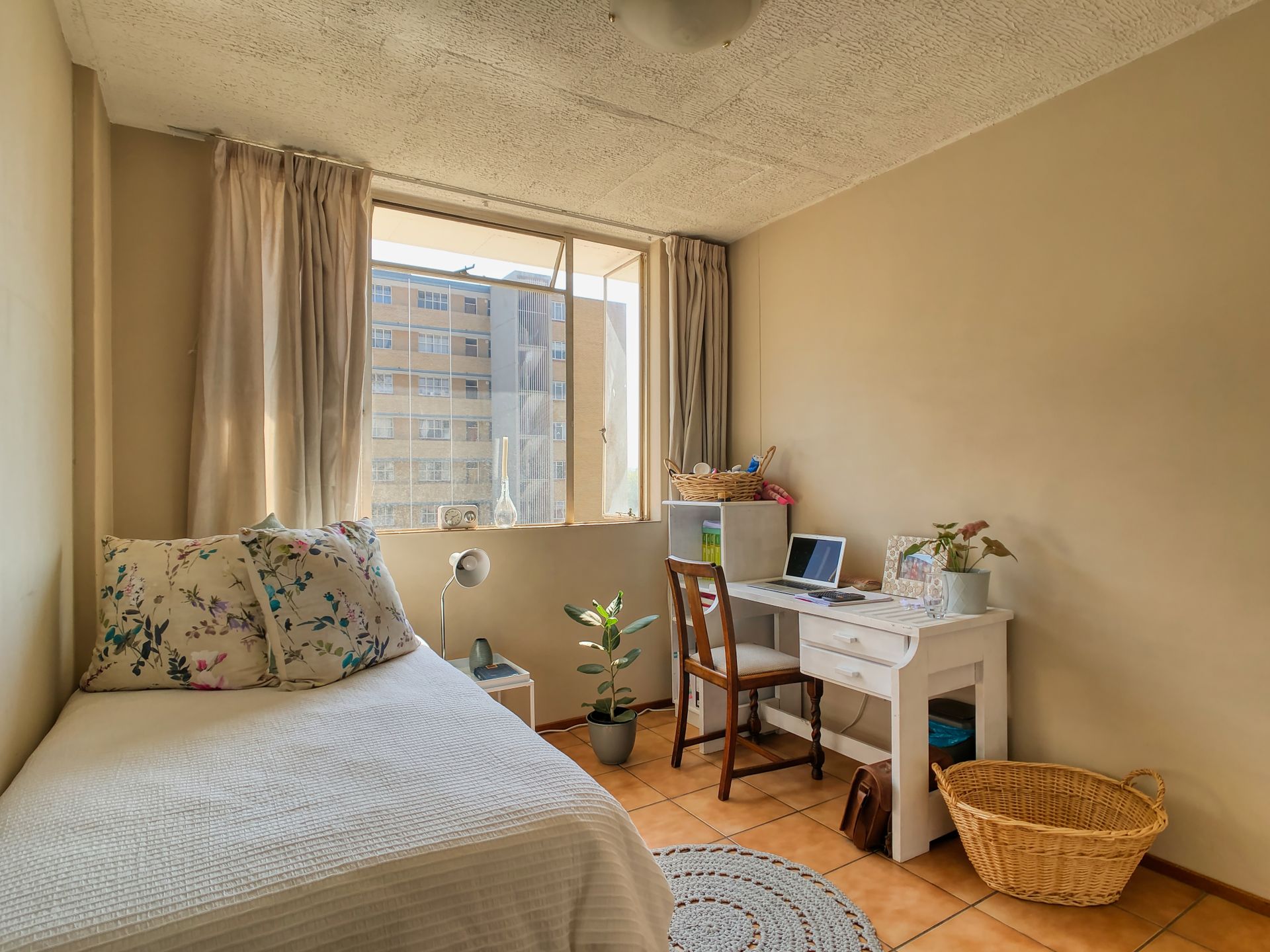
Standard or classic room
A private bedroom with a shared bathroom and shared kitchen. This is usually the cheapest way to get the full halls experience.
- Best for students prioritising budget
- Bathroom shared with a corridor or flat
- Often creates more everyday interaction
 Most requestedPrivate bathroom
En-suite room
A private bedroom and bathroom with a shared kitchen and living space. It balances privacy with the social structure of a shared flat.
- Higher rent than a standard room
- No shared shower or toilet rota
- Still part of a shared flat community
 Most privatePrivate kitchen
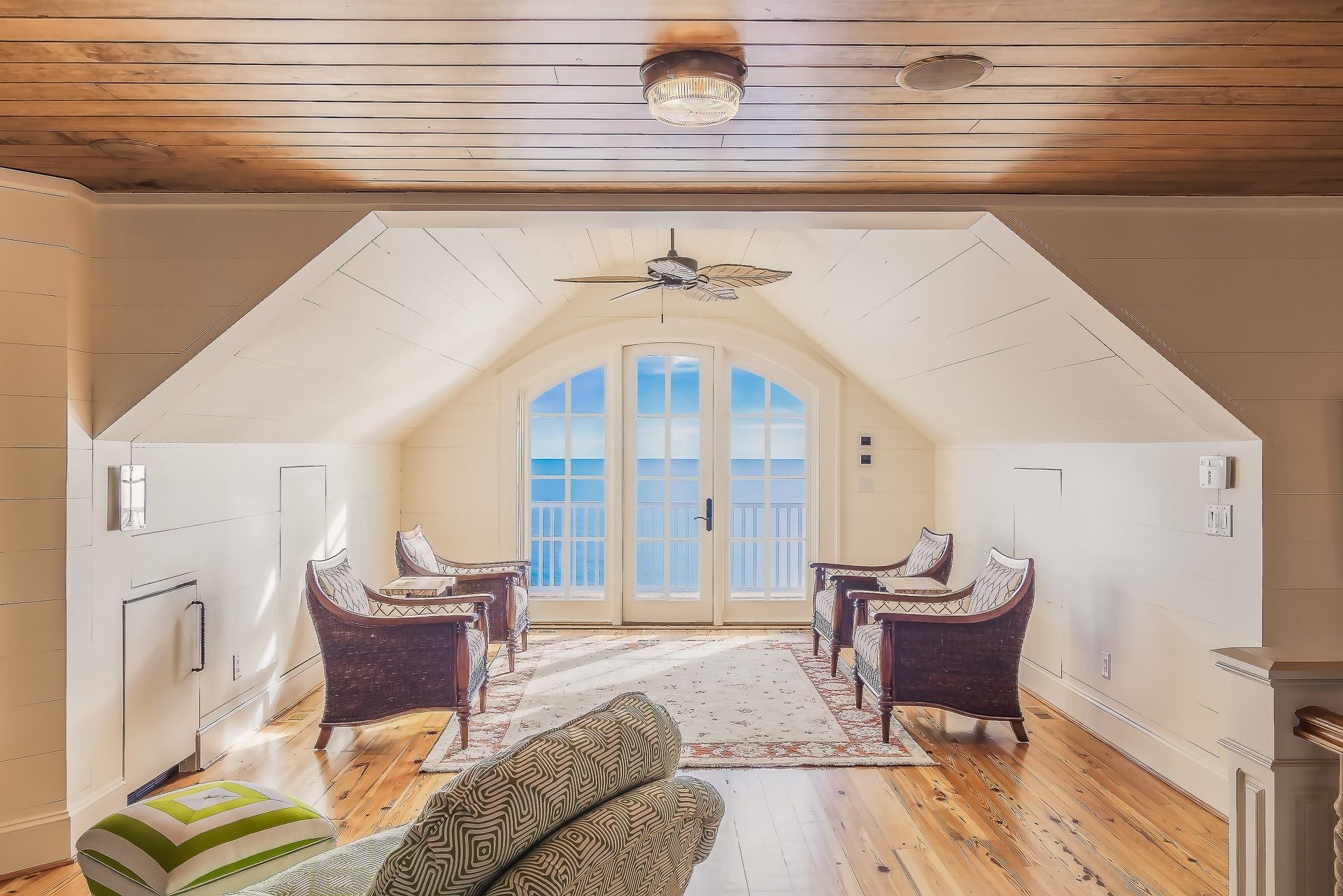
University studio
A self-contained room with a private bathroom and kitchenette. Studios suit students who need independence, but they can reduce spontaneous flatmate contact.
- Normally the highest-cost room format
- Popular with postgraduates and mature students
- Check whether dual occupancy is allowed
 Meals includedPlan varies
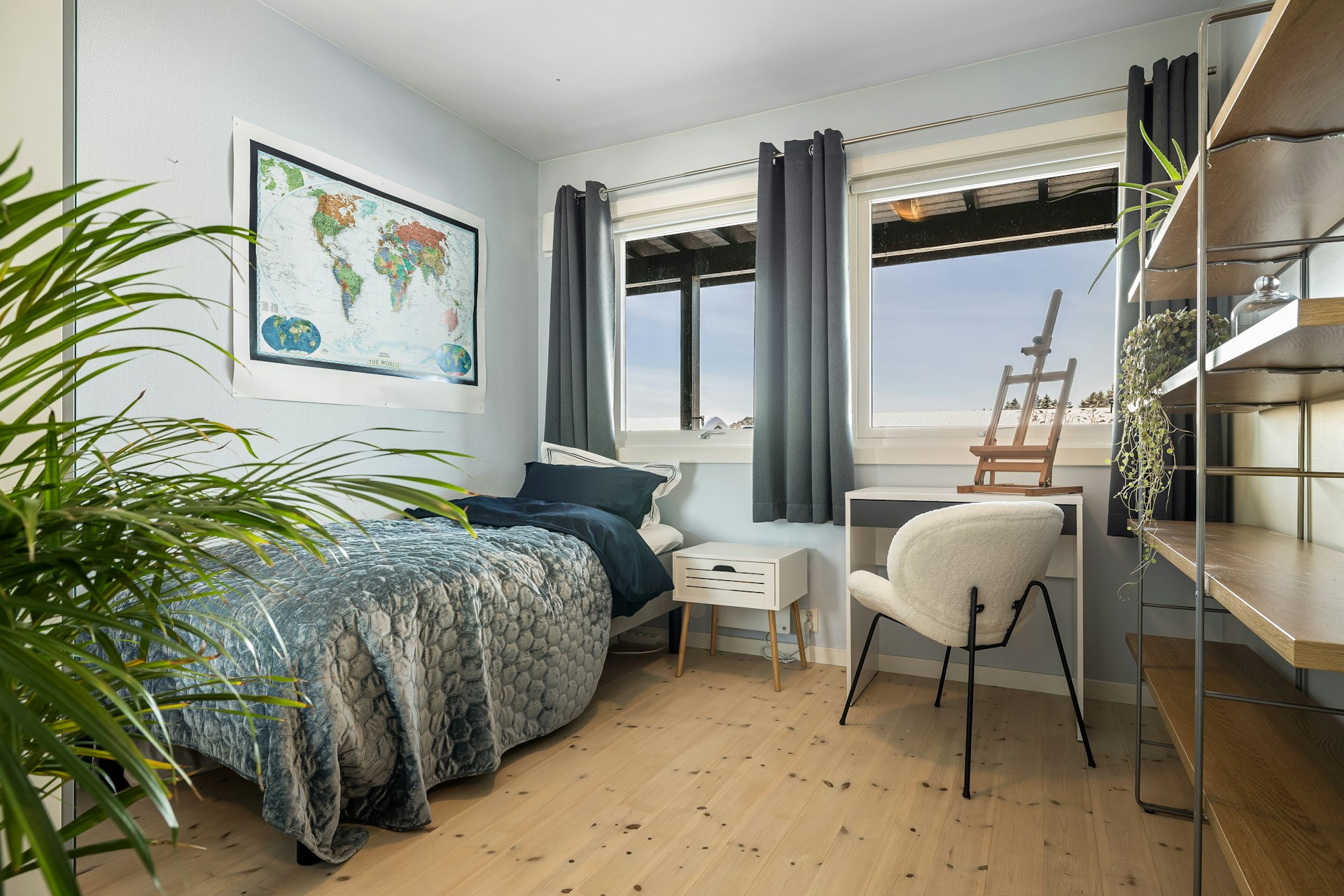
Catered halls
Rent includes a meal package, which may be full board, breakfast and dinner, weekday-only meals or a dining-credit system.
- Useful for convenience and routine
- Check meal hours and holiday provision
- Compare unused-meal risk with food budgeting
 Most commonShared kitchen
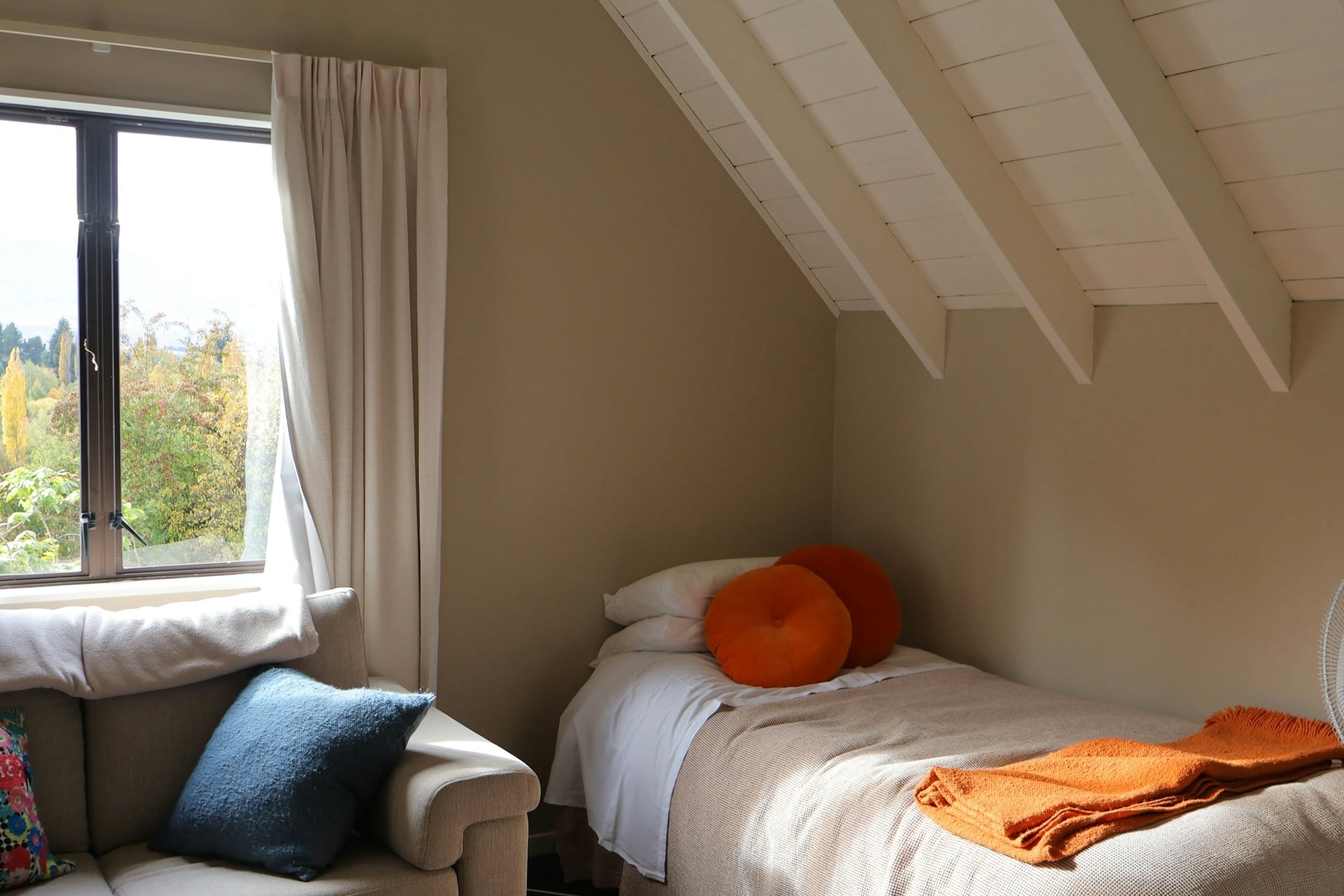
Self-catered halls
You buy and prepare your own food in a shared kitchen. This provides more flexibility and the kitchen often becomes the social centre of the flat.
- Control over food, timing and dietary needs
- Food is separate from the rent
- Kitchen cleanliness depends on flatmates
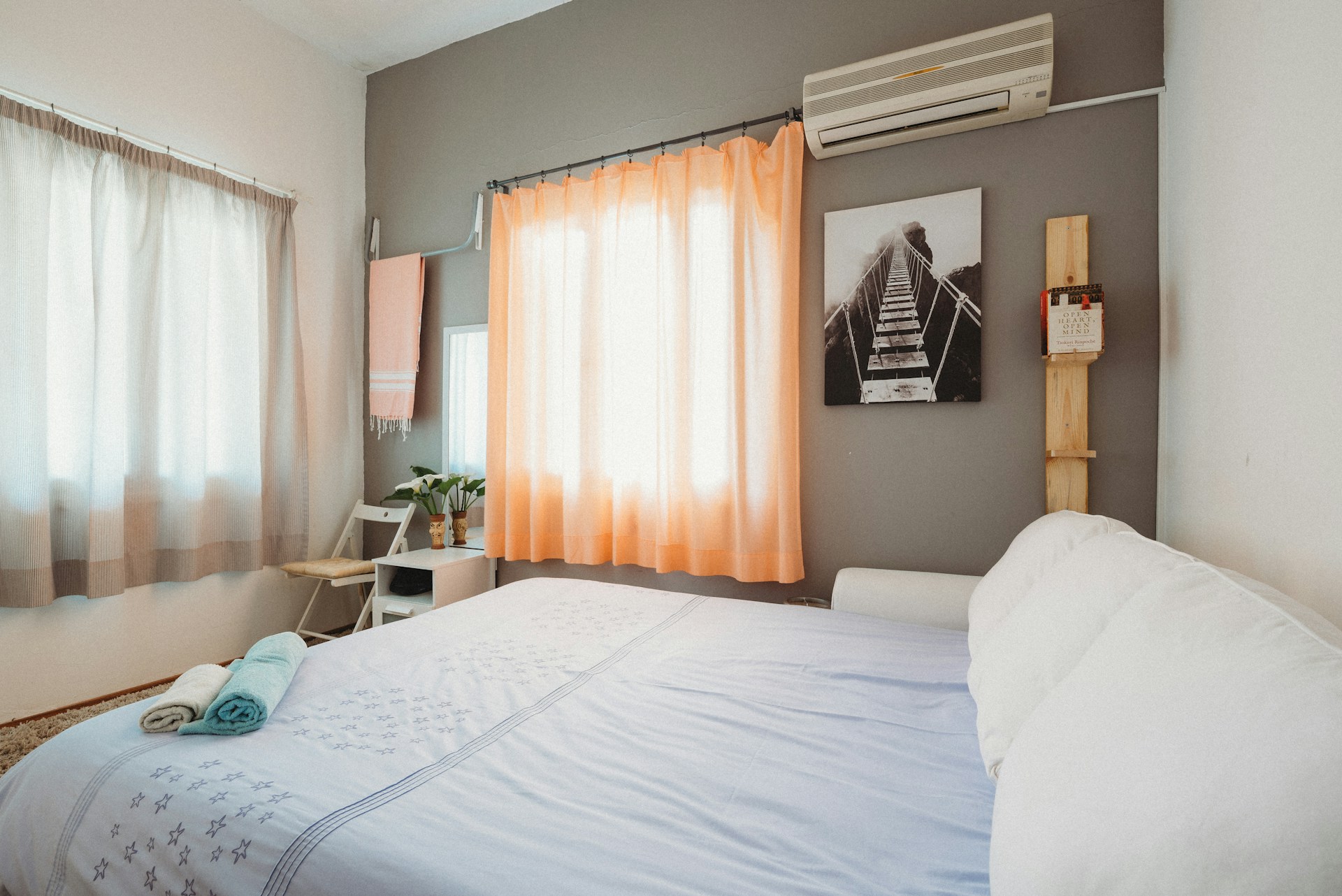 Support-ledApply early
Accessible and adapted rooms
Options can include wet rooms, step-free access, visual alarms, assisted doors, hoists, additional space and rooms suitable for a carer.
- Discuss needs before allocation starts
- Link accommodation and disability teams
- Request written confirmation of adjustments
Which university halls setup fits you?
This gives you a starting point. Your university may use different labels and not every room type will be available.
1. Your priority
2. Your social preference
3. Cooking
University halls vs PBSA vs private renting
The best format depends on the exact room and contract, but this comparison shows the usual differences.
| Question | University halls | Private halls / PBSA | Private renting |
|---|---|---|---|
| Who manages it? | University or nominated partner | Private student accommodation provider | Landlord through an agent or direct |
| How do you apply? | University accommodation portal | Direct with provider | Individual or joint tenancy application |
| Typical residents | Mostly first years, plus selected groups | Students from one or several universities | Friendship groups, couples or individuals |
| Housemates | Usually allocated | Allocated or requested | You normally choose them |
| Bills | Usually included | Usually included | Included or separate |
| Guarantor | Often not required, but check | Varies widely by provider | Commonly required |
| Facilities | Practical and campus-focused | Can include gyms, cinemas and events | Depends on property |
| Support | University residential and welfare teams | Provider staff and resident teams | Landlord or letting agent |
| Best for | Supported first-year transition | More choice, facilities or private rooms | Control, space and chosen housemates |
Why university halls work well
- A ready-made student community from move-in day
- No need to find housemates before starting
- Utilities and Wi-Fi are normally built into rent
- Residential, security and welfare support is nearby
- Applications are linked to student status
- Campus halls can reduce daily travel time
- Many universities provide a no-guarantor route
- Maintenance is reported through one system
What to think about honestly
- You do not normally choose your flatmates
- Shared kitchens, corridors and laundry rooms can be noisy
- You may not receive your preferred hall or room
- Contracts can include holiday weeks you will not use
- Guest, decoration and appliance rules can feel restrictive
- Some older halls offer fewer facilities than newer PBSA
- Second-year availability is often limited
- A fixed contract can be difficult to leave early
How much do university halls cost?
There is no reliable single UK halls price. The city, university, room, building, catering and number of contract weeks all change the amount. Compare total annual cost, not only the weekly headline.
Halls contract calculator
Enter the figures from an actual university room listing.
What changes the price?
Location: halls in London and other high-rent cities normally cost more than comparable rooms in lower-cost university cities. Campus, city-centre and specialist sites can also differ.
Bathroom and kitchen: shared-bathroom rooms usually sit at the lower end. En-suites carry a privacy premium. Studios are generally highest because the kitchen and bathroom are private.
Catering: compare catered rent with self-catered rent plus a realistic weekly food budget rather than comparing rent lines alone.
Contract length: a lower weekly rent can cost more across 51 weeks than a higher weekly rent across 40 weeks.
Building and facilities: newer rooms, larger beds, gyms, premium views and on-campus locations can increase rent.
| Cost item | Usually included? | What to check |
|---|---|---|
| Electricity, heating and water | Usually | Fair-use terms and heating controls |
| Wi-Fi | Usually | Speed, wired connection and device limits |
| Contents insurance | Often | Registration, excess and item limits |
| Laundry | Usually not | Per-wash and drying cost |
| Catering | Only in catered halls | Meals, days, credits and holiday service |
| TV licence | Private bedroom usually not | Your viewing and communal licence |
| Parking | Rarely | Eligibility and permit cost |
| Cleaning | Communal areas may be | Bedroom, bathroom and kitchen expectations |
How to apply for university halls step by step
You normally apply through the university accommodation office or portal, not inside the UCAS course application. The sequence varies, but these are the steps to prepare for.
Research the halls
Compare room types, prices, campuses, travel and what is included.
Check eligibility
Read who qualifies for a guarantee and the exact deadline.
Apply through the portal
Complete the university accommodation form when eligible.
Rank realistic choices
List only halls and room types you would genuinely accept.
Submit support needs
Contact accommodation and disability teams early.
Review the allocation
Check the room, contract dates, rent and payment schedule.
Read and accept
Understand cancellation, conduct and access terms.
Prepare for move-in
Book arrival, check the inventory and photograph condition.
What does an accommodation guarantee mean?
A guarantee usually applies only to a defined group and only when every condition is met. Conditions can include being a new full-time student, holding the university as your firm choice, applying before a deadline and living outside a local commuting area.
A guaranteed room is not the same as a guaranteed building, room type, price band or campus. Save the wording that applied when you submitted the application.
How are university halls allocated?
Some universities allocate broadly first come, first served. Others wait until after the deadline and use preferences, random allocation, distance from home, course location, support needs or a combination. Early application can improve choice without guaranteeing the first preference.
Rank only options you would accept. Answer lifestyle questions honestly about noise, alcohol, sleep routines, single-sex accommodation, accessibility and dietary needs.
What should you check when the offer arrives?
- The exact building, room type and bathroom arrangement.
- Contract start and end dates, including holiday periods.
- Total rent and whether student finance arrives before instalments.
- Deposit, advance rent or prepayment terms.
- Cooling-off, cancellation and course-change rules.
- Guest, noise, smoking, appliance and parking rules.
When should you apply for university halls?
There is no universal opening date or guarantee deadline. UCAS advises researching early and applying as soon as the university permits because popular accommodation can be allocated quickly.
Research halls while comparing universities
Check rent, campuses, room sizes, catering, travel and whether accommodation is guaranteed.
Read eligibility and portal instructions
Find out whether you can apply as an offer holder or need a firm acceptance first.
Apply once eligible
Rank realistic preferences and submit before the guarantee deadline.
Review the room and contract
Check annual rent, dates, payments, cancellation and living rules.
Confirm changes immediately
If your university changes, contact both accommodation teams.
Arrange payment and travel
Book arrival, check the inventory and plan for rent before student finance arrives.
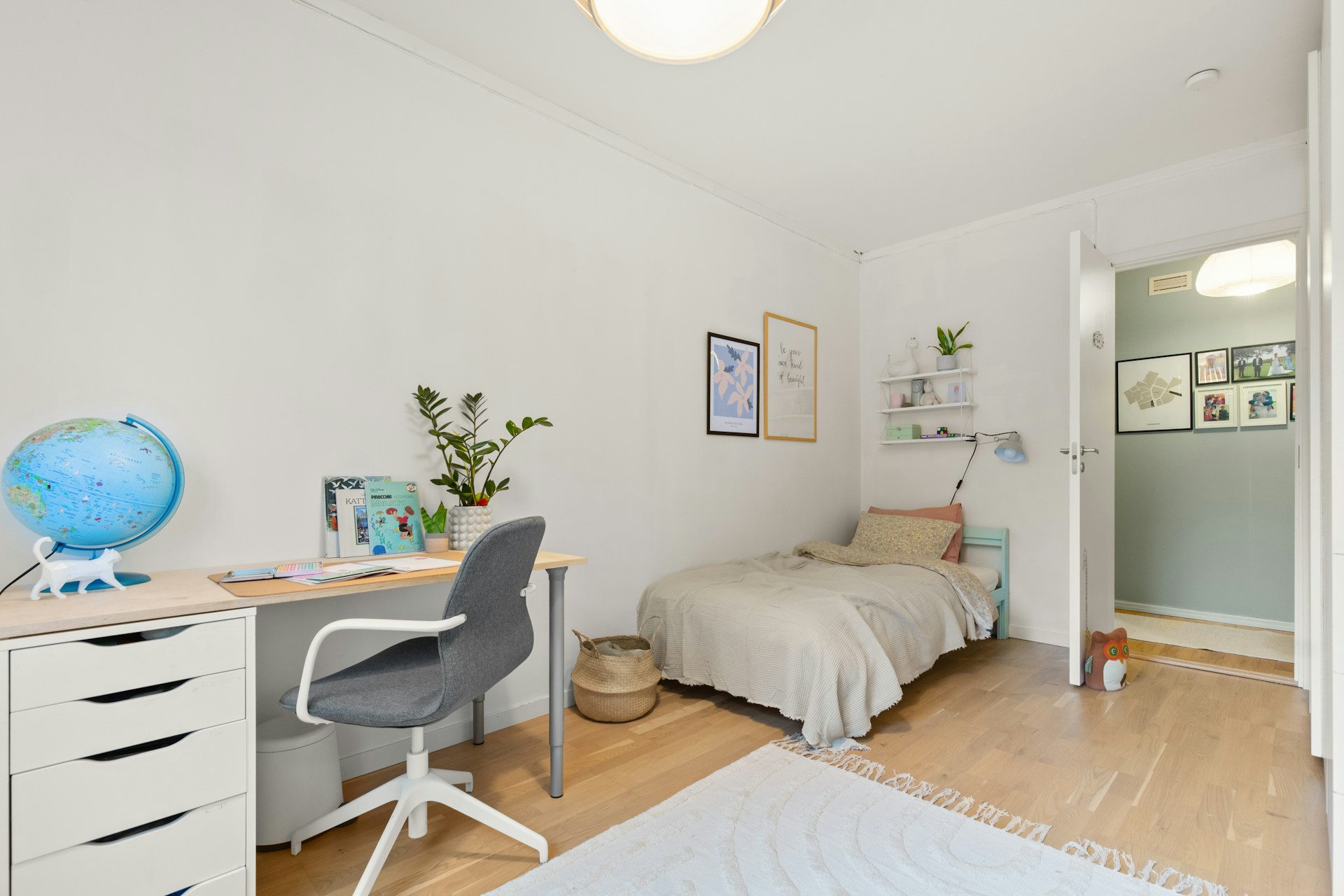
University halls after Results Day and Clearing
Clearing does not automatically mean you cannot live in halls. Universities may keep rooms for late applicants, operate waiting lists, release cancellations, nominate rooms in private halls or refer students to approved landlords. Choice is usually narrower, so accommodation should be discussed as soon as the course offer is confirmed.
Ask four direct questions: Is any university-managed room available? Is there a Clearing guarantee? Which private halls are formally nominated? What temporary or emergency accommodation exists if the permanent room starts later?
Also check whether a previous accommodation agreement needs a separate written cancellation. A changed university place does not necessarily end a signed housing contract.
Compare accommodation by cityUniversity halls contracts, deposits and your rights
The accommodation agreement is legally binding. In halls, it will usually be a common law tenancy or licence rather than the standard private tenancy used for many rented houses.
Read the agreement before paying
The contract should identify the accommodation, rent, payment dates, contract period, services, resident responsibilities and the circumstances in which either side can end the agreement. Rules can cover guests, noise, smoking, prohibited appliances, room access, cleaning, damage and disciplinary action.
Most halls agreements are fixed for the academic period. Students usually remain liable unless the contract contains an early break clause or the provider agrees to surrender the agreement. This is why moving out and ending the contract are not the same event.
Do university halls need a guarantor or deposit?
Many university-managed halls do not use a standard UK guarantor, which can make them more accessible to first-year and international students. However, partner halls and some payment plans do ask for one. Never rely on a general university statement when the agreement names a private accommodation company.
A booking payment can be a refundable security deposit, advance rent, prepayment or reservation payment. Check whether it is deducted from rent, protected, returned after move-out or retained when a booking is cancelled.
What standards should halls meet?
Universities providing halls must belong to an approved accommodation code or be licensed by the local authority. Check which code covers the building and use the university complaint process when standards are not met.
Can the university enter your room?
The agreement should explain access for repairs, inspections, emergencies and welfare concerns. A licence can give the university broader management access than a private tenancy, but access still needs to follow the contract and applicable standards.
No UK guarantor?
Compare university, provider, upfront-payment and third-party routes.
Open guarantor guide →PaymentsWhat did you pay?
Understand deposits, holding payments, advance rent and deductions.
Open deposits guide →ContractsNeed to leave early?
Check break clauses, surrender, replacements and evidence routes.
Open contract guide →Alternative routeMoving into private renting?
Learn how agents, viewings, applications and complaints work.
Open agencies guide →University halls for different students
The right halls strategy changes depending on your year, course, support needs and where you are moving from.
First-year undergraduates
Halls simplify the move into university and provide a ready-made social setting. Compare whether the guarantee covers your room preference or only any available room.
International students
Check remote payment, arrival dates, holiday access, bedding packs, guarantor rules and whether parcels can arrive before move-in.
Postgraduate students
Look for postgraduate-only buildings, quieter flats, studios and contracts matching research or course dates.
Disabled students
Contact disability and accommodation teams early about accessible routes, adaptations, evacuation plans, carers, medical equipment and assistance animals.
Mature and returning students
Ask about quiet blocks, studios, smaller flats and returning-student availability.
Second and third years
Some universities retain rooms for continuing students, residential advisers and students with support needs. Apply early and keep PBSA or private renting as backups.
Students under 18
Building choice and safeguarding arrangements can be restricted. Obtain written confirmation before relying on a room.
Couples and families
Family flats and dual-occupancy rooms are limited and usually use a separate application.
Placement students
Check travel to placements, early starts, parking and whether accommodation is needed beyond the standard teaching year.
What is living in university halls actually like?
Making friends in halls
Halls give you repeated contact with the same people in kitchens, corridors, lifts and communal spaces. That makes meeting people easier, but it does not guarantee a friendship group. Join course chats, societies and residence events rather than depending entirely on flatmates.
Sharing a kitchen and bathroom
The most common source of tension is shared-space expectations. Agree early how bins, washing-up, fridge shelves, cleaning products and guests will work. A short flat conversation is more effective than weeks of passive-aggressive notes.
Noise, quiet halls and sleep
Student halls contain different schedules and social habits. Report persistent noise through the residence process and keep evidence where rules are repeatedly breached. Students needing predictable quiet should request quiet or postgraduate-designated accommodation before allocation.
Maintenance, heating and Wi-Fi
Report issues through the official maintenance system and keep the reference number. Photograph leaks, mould, damaged furniture and room condition. Use the emergency route for urgent repairs.
Security and welfare support
Secure entry, CCTV, reception teams, residential advisers and campus security vary by building. Save emergency, welfare and maintenance numbers before the first night and do not let unknown people tailgate into the building.
Can you stay in halls during holidays?
Many self-catered academic contracts include Christmas and Easter, even when teaching stops. Some catered, college or shorter contracts require residents to leave or reduce services. Storage, meals and reception hours can change during vacation periods.
Guests, partners and overnight stays
Short visits are usually allowed, but universities set sign-in, age and frequency limits. A partner effectively living in the room can breach the agreement and place pressure on shared facilities.
Council Tax, insurance and TV licensing
Halls of residence are exempt from Council Tax. Basic contents insurance is often included but needs checking. A TV licence may be required for live television or BBC iPlayer in your room, even where the university covers a communal television.
What to bring to university halls
Check the official inventory first. Buying duplicates wastes money and leaves the flat with six kettles but no tin opener.
Bedroom
- Correct-size bedding
- Towels and hangers
- Laundry bag
- Medication and documents
- Permitted extension lead
Kitchen
- One or two pans
- Plate, bowl, mug and cutlery
- Knife and chopping board
- Tin opener and containers
- Washing-up supplies
Shared bathroom
- Wash bag
- Sliders or bathroom shoes
- Dressing gown
- Toiletries
- Cleaning products if needed
Do not buy yet
- Kettle or toaster
- Air fryer
- Large communal equipment
- Furniture
- Prohibited appliances
Your first 48 hours
Photograph the room before unpacking, including furniture, walls, flooring, bathroom fittings and cupboards. Submit inventory corrections before the deadline. Test keys, heating, hot water, sockets and Wi-Fi. Locate fire exits and the assembly point.
Introduce yourself without forcing an instant friendship group. Agree basic kitchen expectations and save reception, maintenance, security and welfare contacts.
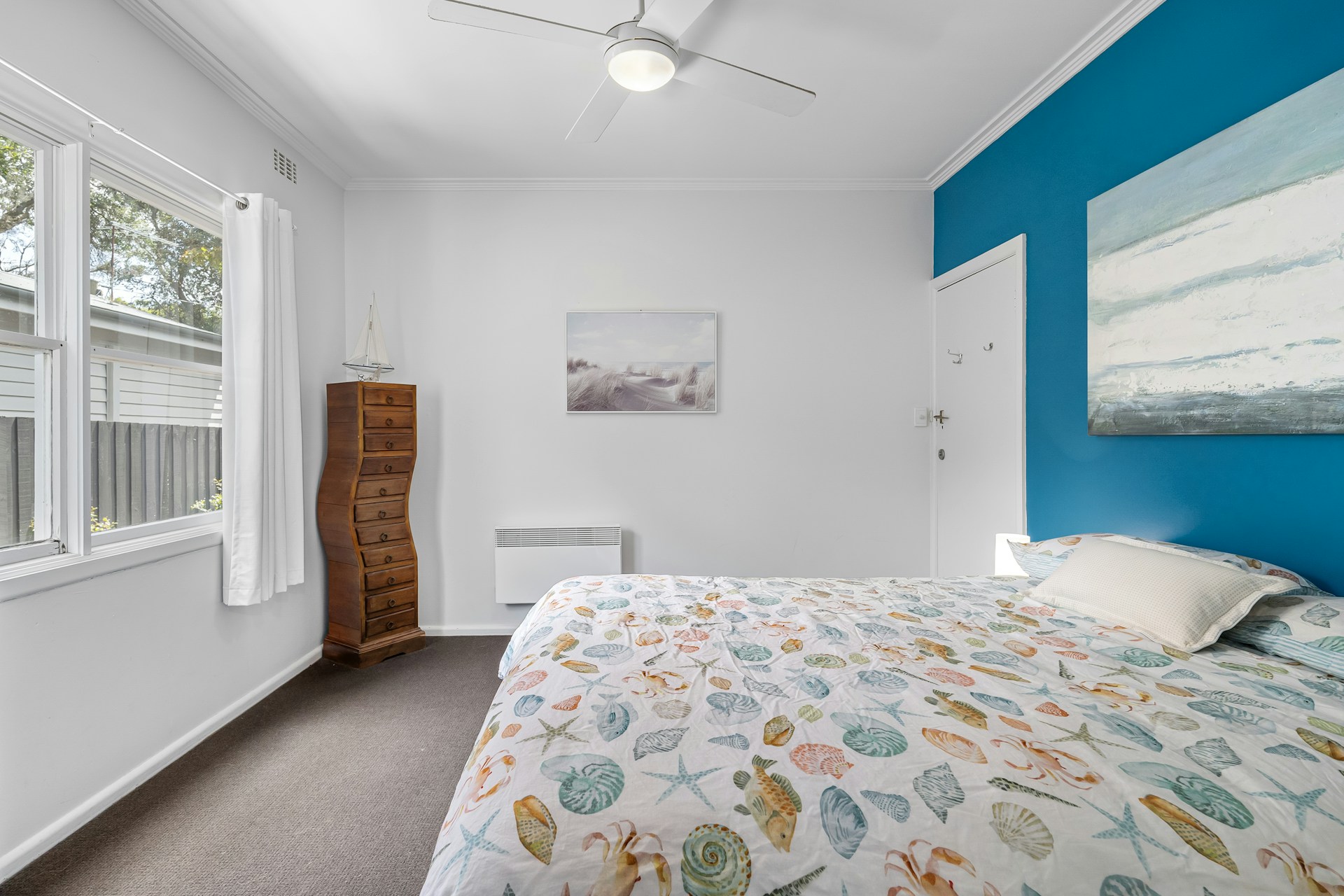
Alternatives to university halls
You can still build a good first-year experience outside university-managed accommodation. The key is a safe contract, realistic commute and suitable living setup.
- More room choice. Useful when university halls are full or do not offer the required studio, location or facilities.
- Direct booking. You may live with students from several universities.
- Check guarantors. International, upfront and no-guarantor routes vary.
- More responsibility. Find housemates, arrange bills and deal with a landlord or agent.
- More control. Choose the property, area and people.
- Check the total. Add bills, transport, deposits and contract length.
Continue planning your student accommodation
Every guide below answers a different stage of the accommodation journey. The links also appear contextually throughout this university halls guide.
University halls of residence FAQs
Detailed answers to common university accommodation questions from applicants, first years, international students, parents and returning students.
What are university halls of residence?+
University halls are student accommodation owned, leased or managed by a university or one of its accommodation partners. Residents normally have a furnished bedroom and share a kitchen, living area or bathroom, although en-suite rooms and studios are also common.
Are university halls only for first-year students?+
No, but first-year undergraduates are usually the priority group. Many universities also provide postgraduate, international, returning-student, mature-student and accessible accommodation.
Are university halls guaranteed?+
Some universities guarantee accommodation to defined groups who meet specific conditions and apply by a deadline. A guarantee may secure a room rather than a preferred hall or room type.
When should I apply for university halls?+
Research before accepting an offer, then apply as soon as your university allows. UCAS advises applying early because accommodation is often allocated quickly. Your university deadline is the date that matters.
Do I apply for halls through UCAS?+
Usually no. After accepting your university offer, you normally apply through the university accommodation office or online portal.
Can I apply before making my firm choice?+
Some universities allow offer holders to register or apply before choosing a firm place, while others require a firm acceptance first.
Do I get my first-choice university hall?+
Not necessarily. Universities commonly ask applicants to rank halls, room types or preferences and then allocate from availability.
Can I choose my flatmates?+
Usually not in first year. Some universities accept friendship-group or lifestyle requests, but these are rarely guaranteed.
Are university halls mixed gender?+
Many halls are mixed gender, although some universities offer single-sex flats, corridors or buildings.
How much do university halls cost?+
There is no single UK rate. Weekly rent depends on city, university, room type, catering, contract length and building quality. Compare the complete contract rather than the weekly headline.
Are bills included?+
Utilities and Wi-Fi are normally included. Contents insurance is common but not universal, while laundry, parking, TV licensing and food in self-catered halls often cost extra.
Do students in halls pay Council Tax?+
University halls of residence are exempt from Council Tax. Full-time students in other all-student properties are also generally exempt, although private renters may need to apply.
Do I need a guarantor?+
Many university-managed halls do not require the standard UK guarantor used in private renting. Some universities or partner-managed halls do require one.
Do halls charge a deposit?+
Some charge a refundable security deposit, while others use advance rent, a prepayment or no deposit. Check how the payment is described and refunded.
What contract do you sign?+
Students in halls usually sign a common law tenancy or licence agreement setting the room, rent, payment dates, term, conduct rules and conditions for ending the agreement.
Can I cancel after accepting?+
Only where the agreement provides a cooling-off period, cancellation right or release route, or where the university agrees to end it.
Can I leave halls early?+
Most halls agreements run for a fixed academic period. Early release normally requires a break clause, university agreement, eligible circumstance or approved replacement.
What happens if I withdraw from university?+
Tell the accommodation team immediately. Withdrawal from the course does not always end the accommodation agreement automatically.
What happens if I go through Clearing?+
Contact the new university accommodation team as soon as the course place is confirmed. Some reserve rooms, while others use waiting lists, nominated private halls or approved landlords.
Can international students live in halls?+
Yes. Halls are often one of the simplest first-year options because applications can be completed remotely, bills are included and support is on site.
Can postgraduate students live in halls?+
Yes, where the university provides postgraduate rooms, quieter buildings, studios or different contract dates.
Can disabled students get accessible halls?+
Universities have duties to make reasonable adjustments. Contact disability and accommodation teams early about adapted rooms, routes, alarms, carers, medical equipment and assistance animals.
Can students under 18 live in halls?+
Some universities accept under-18 residents with additional safeguarding arrangements, while others restrict buildings or room types.
Can couples live in halls?+
Some universities offer couples, family or dual-occupancy accommodation, but it is limited and normally allocated separately.
Can I stay during Christmas and Easter?+
Many contracts include Christmas and Easter, but some catered or shorter contracts require residents to leave or reduce services.
Can I stay over summer?+
Standard contracts usually end before summer. Extensions, storage or summer rooms may be available through a separate booking.
Can guests stay overnight?+
Most halls allow short visits subject to sign-in, age, frequency and flatmate rules.
Are pets allowed?+
Pets are normally prohibited. Assistance animals and disability-related arrangements should be discussed before accepting a room.
Do halls provide bedding and kitchen equipment?+
Rooms usually contain a bed, mattress, desk, chair and wardrobe. Bedding, towels, crockery, pans and utensils are often not included.
Is contents insurance included?+
Many halls include basic cover, but limits, exclusions and registration requirements vary.
Do I need a TV licence?+
A licence may be required when watching or recording live television or using BBC iPlayer in your room.
Can I live in halls in second year?+
Sometimes, but availability is usually more limited and may prioritise students with support needs or residential roles.
What if I do not get halls?+
Join the waiting list, ask about nominated private halls, compare PBSA providers and use university-approved landlords.
Are catered halls worth it?+
They can be worthwhile for convenience and routine, but compare the meal plan and annual cost with self-catered rent plus food.
Are university halls worth it?+
For many first years, halls simplify bills, housemates and support while creating a ready-made social setting. They are less suitable for students who need substantial space, complete quiet or control over housemates.
Official guidance used for this guide
UCAS accommodation guidance
Application timing, preference ranking and comparing halls with private accommodation.
View UCAS guidance →Government student renting guidance
Agreement types used in university halls and purpose-built student accommodation.
View GOV.UK guidance →Accommodation Code
Good-practice standards for university-managed accommodation in participating institutions.
View Universities UK guidance →Citizens Advice
Rights, standards and ending tenancy or licence agreements in halls.
View halls guidance →Council Tax
Full-time student exemptions and the treatment of halls of residence.
View GOV.UK guidance →Disabled student rights
The duty on education providers to make reasonable adjustments.
View disability guidance →
Choose the room after checking the contract
Start with halls that fit your budget and commute, then verify the guarantee, total cost, cancellation terms and what is included.