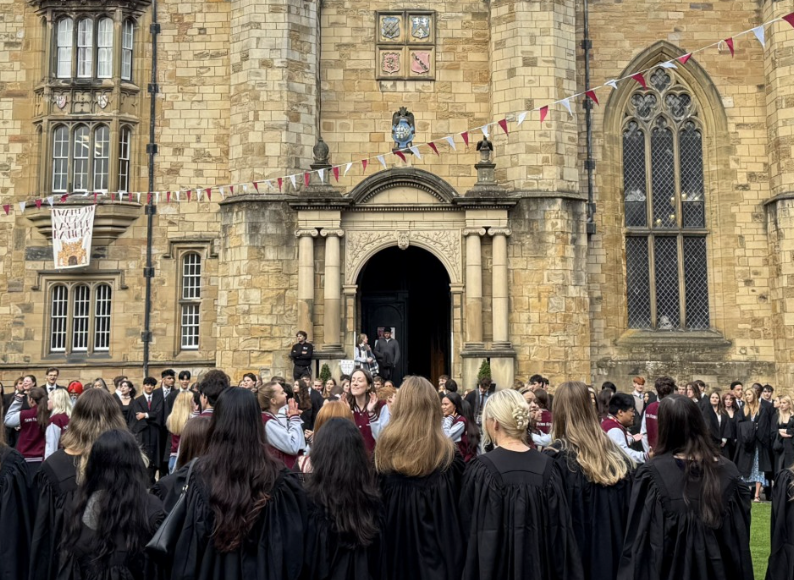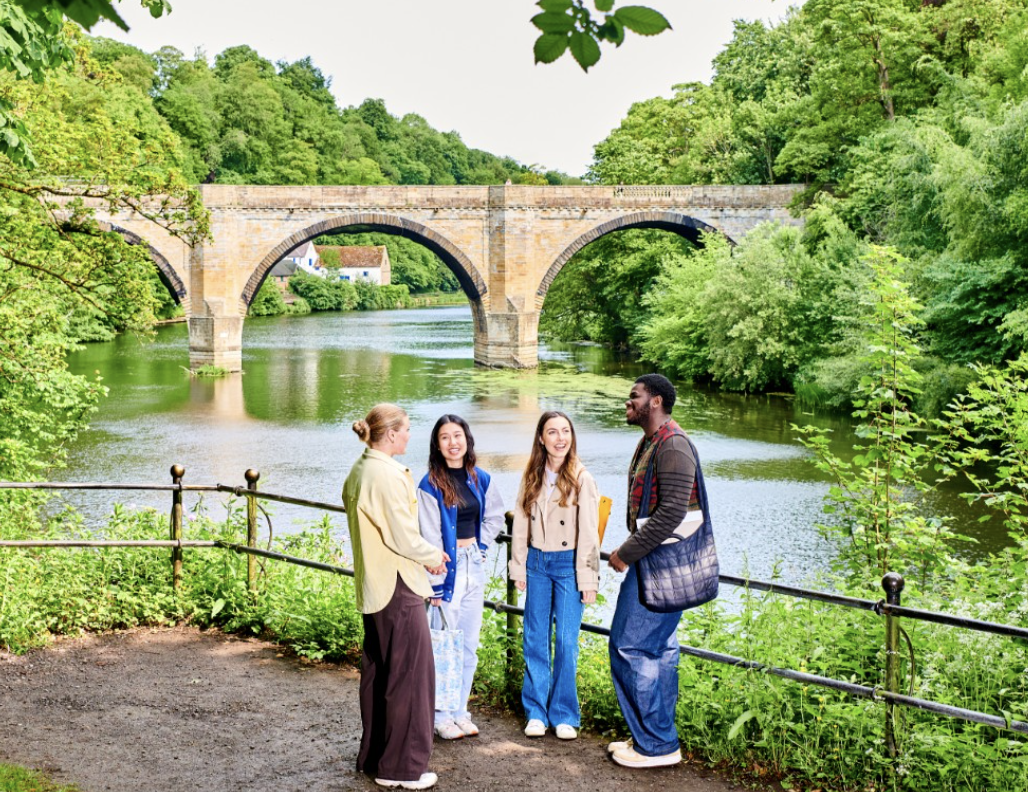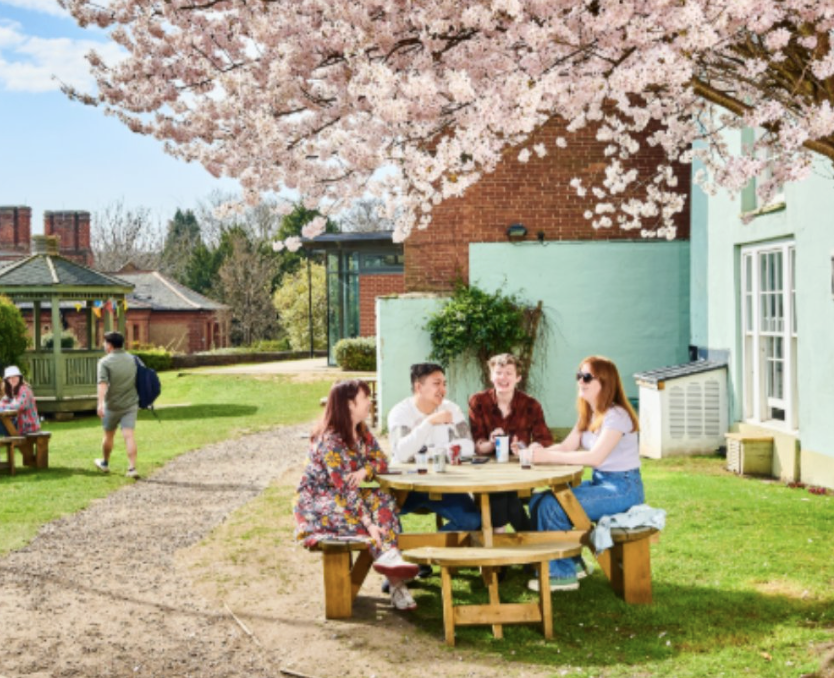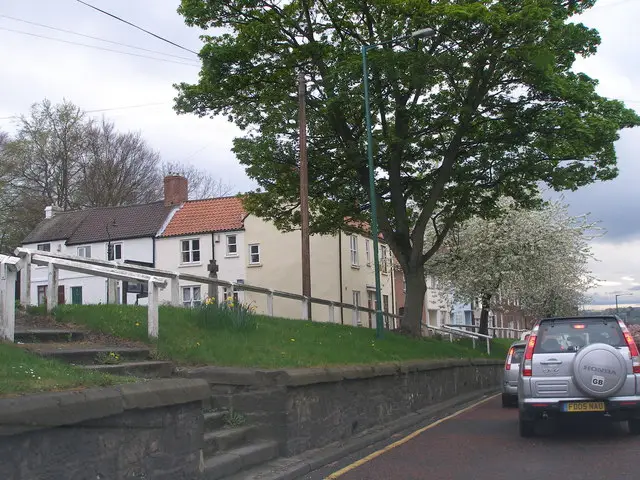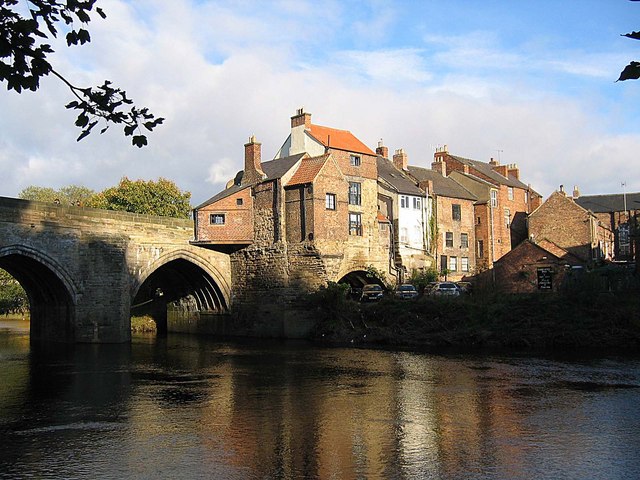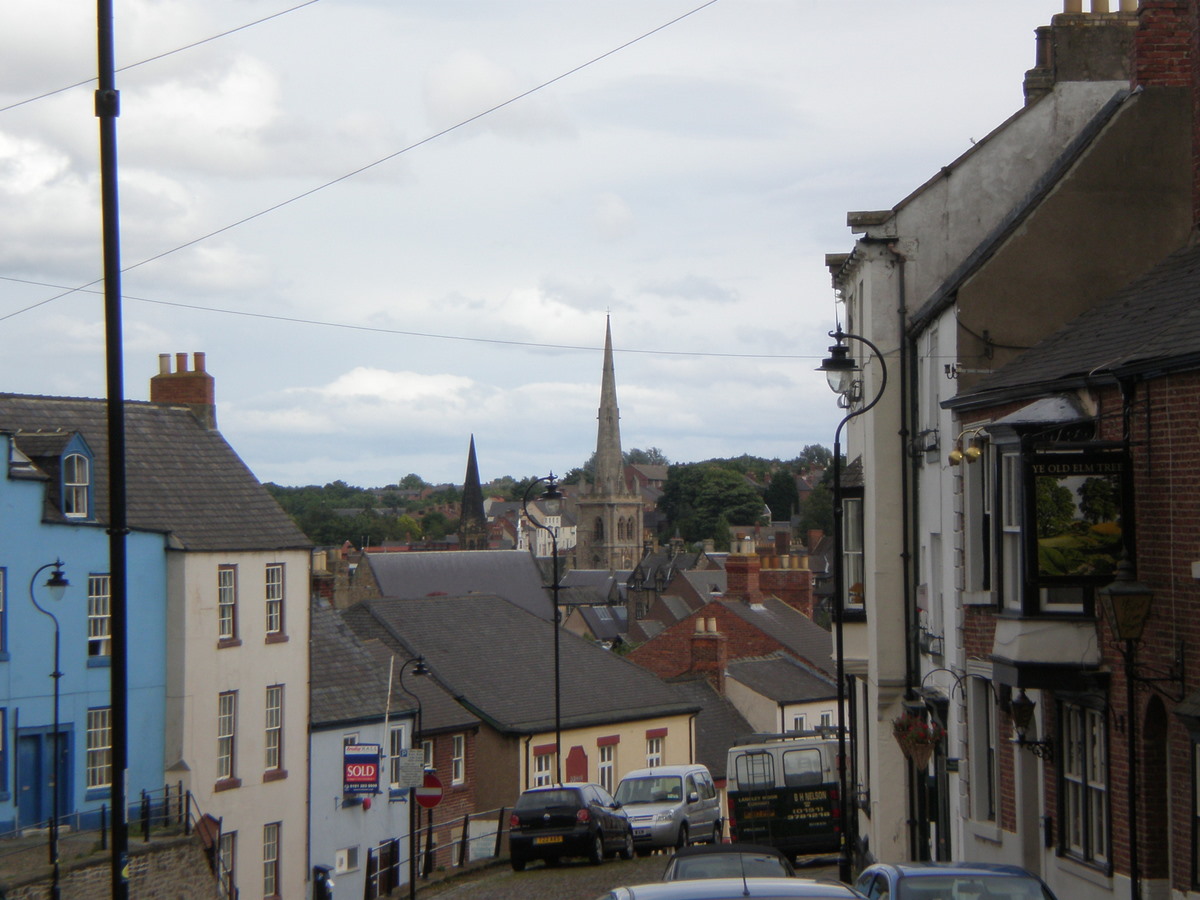
Durham is home to a prestigious institution offering exceptional education and student experiences.
Durham University is consistently ranked in the UK top 5 and global top 100 — a collegiate Russell Group university of extraordinary academic prestige, set in one of England's most beautiful historic cities, with Durham Cathedral and Castle as its literal backdrop.

Durham is consistently ranked in the UK top 5 — a collegiate Russell Group university with outstanding research output and a global reputation for law, natural sciences, PPE, history, and engineering. The collegiate system means students receive excellent pastoral support alongside world-class teaching from day one.

Durham is one of England's most stunning historic cities — a UNESCO World Heritage Site with Durham Cathedral and Castle forming one of the most iconic skylines in the world. Newcastle is 20 minutes by train. York is 45 minutes. London King's Cross is under 3 hours. The North Yorkshire Moors and Northumberland Coast are easily accessible.

Durham's collegiate system — modelled on Oxford and Cambridge — gives every student a home college with its own facilities, events, sports teams, and social life. With 21,000+ students from 150+ countries, and one of the UK's most active student union scenes, the community is tight-knit, internationally diverse, and alive with tradition and character.

Durham offers top 5 academic quality at notably lower living costs than Oxford, Cambridge, or London. Average student rent runs £550–£800/month — cheaper than most southern UK university cities. The university offers bursaries and scholarships for eligible students. Newcastle's proximity also expands the range of affordable food, shopping, and entertainment options.
Discover the best areas to live based on your budget, lifestyle and university.
The most popular student area in Durham — known for large, modern, high-quality terraced houses near the train station. Exceptionally well-placed for nightlife, and just 10–15 minutes' walk from the city centre and the science site. If you want the best private housing Durham has to offer, this is where to look first.
Further out than the Viaduct but offering more competitive rents — a popular, slightly quieter choice with good walking access to both the science site and the city centre. A solid option for students who want decent value without sacrificing too much convenience, and a calmer, more residential feel.
On the opposite side of the city from the Viaduct — slightly more affordable, with a mix of residential housing. Around 15 minutes' walk to the city centre and 20–25 minutes to the main lecture theatres. A practical, budget-friendly choice for students who don't mind the longer walk to lectures.
Right in the heart of Durham — close to the city centre and the Elvet Riverside lecture rooms. Ideal for students who want to be in the centre of the action, with bars, restaurants, and colleges on the doorstep. Great for social life and convenience, though rents reflect the central location.
Close to the city centre but with a noticeably quieter, more grown-up atmosphere — often favoured by postgraduates and mature students who want the benefits of central living without the noise of the main student areas. A calmer, more city-living environment with easy access to everything Durham has to offer.
Everything you need to know about student accommodation in Durham.
Secure your student accommodation using these four steps the year before moving in.
Start researching areas and viewing properties for next year. Get a feel for the market before competition heats up.
Peak house hunting season — the best properties go fast. View, decide, and secure your place early!
Last chance to secure places and sign contracts. Don't leave it any later — good options will be gone.
Finalise details, arrange deposits, and prepare to move in. Summer admin sorted before the new year starts.
The best websites and resources for finding student housing in Durham — from official university portals to local letting agents.
Our in-depth review of the top local letting agencies in Durham — rated for responsiveness, value, and student experience.
The official Durham University accommodation portal — covering all college accommodation options, university-managed housing, and private sector guidance for returning students in Claypath, Gilesgate, and Nevilles Cross.
Visit siteReputable nationwide student accommodation site with Durham listings — great for finding shared houses in Claypath, Gilesgate, Nevilles Cross, and Elvet for second and third years.
Visit siteStudent property search across Durham with hundreds of listings. Filter by area, price, and bedrooms to compare Claypath, Gilesgate, Nevilles Cross, and Elvet.
Visit siteSearch private rentals and shared houses across Durham. Great for comparing prices in Claypath, Gilesgate, Nevilles Cross, and Elvet.
Visit siteFind individual rooms in shared houses across Durham — ideal for joining an existing household in Claypath, Gilesgate, or Elvet close to the university.
Visit sitePurpose-built student accommodation in Durham city centre — modern en-suite rooms and studios within walking distance of Durham University colleges and the Cathedral.
Visit siteGet a realistic estimate of living costs in Durham with our interactive calculator
From the best student nights out to walking routes around the town, get to know Durham with our range of guides written by local students.
Whether your child is considering studying at Durham or already enrolled, this guide covers costs, safety, accommodation, and what life is really like as a student at one of the UK's most prestigious and beautiful universities.
Durham's collegiate system means every student belongs to one of 17 colleges — each with its own accommodation, dining, welfare team, and social life. Most first-year students live in their college. From second year, many move to private housing in Claypath, Gilesgate, or Elvet — all within walking distance of the city centre. College accommodation includes bills and often meals.
Durham offers top 5 academic quality at notably lower living costs than Oxford, Cambridge, or London. Typical monthly costs run £1,050–£1,350 including rent, food, transport, and social life. College accommodation (£650–£1,100/mo) includes bills and often catered meals. Private housing in Claypath and Gilesgate averages £550–£800/month. Newcastle's proximity expands affordable options significantly.
Durham is a prestigious Russell Group university consistently ranked in the UK top 5 and global top 100. It is particularly celebrated for law, natural sciences, PPE, history, and engineering. Durham's collegiate system — modelled on Oxford and Cambridge — gives every student a home college with its own academic and pastoral support alongside the university's central services.
Durham University parent information →Durham's collegiate system provides exceptional pastoral support — every student has a college welfare team, a personal tutor, and access to university-wide counselling, mental health advisors, financial hardship funds, and disability services. The college structure means welfare support is more personal and immediately accessible than at most UK universities. Durham SU also runs active wellbeing services.
Durham student wellbeing →Parents are warmly welcomed at Durham University open days. Visit the Cathedral and Castle, tour individual college accommodation, meet academic and welfare staff from your child's subject department, and get honest answers about fees, bursaries, and the collegiate student experience. Durham's open days are genuinely memorable — the setting alone is exceptional.
Durham University open days →Durham Cathedral and Castle — a UNESCO World Heritage Site — are on the doorstep. The river, riverside walks, and independent cafés on Elvet Bridge make for wonderful parent weekends. Newcastle is 20 minutes away for world-class culture, restaurants, and nightlife. York is 45 minutes. The North Yorkshire Moors and Northumberland Coast are within easy reach for spectacular days out.
Durham is a small, compact historic city and consistently considered one of the safer student cities in the UK. The student population makes up a very significant share of the city's residents, and the collegiate system means students are embedded in a close-knit community with its own welfare and security support. The city centre, Cathedral area, and all college locations are well-established and safe. Durham University has active 24/7 security and welfare provision.
Typical monthly costs range from £1,050–£1,350 including accommodation, food, transport, and social life — higher than northern cities but significantly less than Oxford, Cambridge, or London. If your child stays in college, accommodation (£650–£1,100/mo) includes bills and often meals, making budgeting more predictable. Durham University offers bursaries and scholarships for eligible students, with generous provision for lower-income households.
Durham's collegiate system is specifically designed to provide exceptional welfare. Every student has a college welfare team, a personal tutor, and access to the university's central counselling, mental health, and financial hardship services. The close-knit college community means problems are often identified and addressed earlier than at larger, less personal universities. Durham SU runs active wellbeing and nightline services throughout the year.
Durham is excellently connected. Newcastle is just 20 minutes by train — with frequent services all day. London King's Cross is under 3 hours direct. Leeds is just over an hour. Newcastle Airport provides UK and international flight connections. When you visit, Durham itself is extraordinary: the Cathedral, Castle, riverside walks, and the independent restaurant and café scene make parent weekends genuinely special. Newcastle and York are both easily reachable for longer visits.
Durham University welcomes parents at open days — tour the Cathedral and colleges, meet academic and welfare staff, and get honest answers about student life, fees, bursaries, graduate outcomes, and the collegiate support available.
Everything you need to know about student life in Durham.
Durham offers top 5 academic quality at significantly lower costs than Oxford, Cambridge, or London. Total monthly costs typically run £1,050–£1,350 including accommodation, food, transport, and social life. College accommodation (£650–£1,100/mo) includes bills and often catered meals, making budgeting very predictable. Private shared housing in Claypath and Gilesgate averages £550–£800/month. Newcastle — just 20 minutes away — expands affordable food, shopping, and entertainment options considerably.
Durham is one of the safest student cities in the UK. It's a small, compact historic city where students make up a huge proportion of the population — and the collegiate system means students are embedded in a close community from day one. The Cathedral area, college locations, and student neighbourhoods are all well-established and safe. Durham University has 24/7 security and welfare provision across all colleges, and the city's small size means help is always nearby.
Durham's nightlife is lively and student-dominated — the Durham Students' Union is one of the most active in the UK, and college bars are a major part of social life. Klute, Revolution, and venues along Elvet Bridge are popular student haunts. Each college runs regular events, formals, and bar nights throughout the year. For a bigger night out, Newcastle is just 20 minutes by train — one of the UK's best nightlife cities — making Durham's quieter character an advantage rather than a limitation.
First-year accommodation is managed through your college — no need to search. For private housing from second year, start looking in November or December. Durham's private rental market is very small relative to the student population, and good properties in Claypath, Gilesgate, and Elvet fill up exceptionally fast — often by January. The DSU Housing Fair in November/December is the main event where students meet landlords. Don't leave it later than January or your options will be very limited.
College accommodation varies by college and room type — typically £650–£1,100/month including bills, and often including catered meals. Some colleges are significantly cheaper than others; it's worth researching individual college costs at open day. Private shared houses in Claypath and Gilesgate average £550–£800/month per person excluding bills. Purpose-built student accommodation in the city centre runs £750–£1,050/month. Durham is not cheap relative to northern cities, but college costs are all-inclusive.
Durham is so compact that location matters less than in most cities — everywhere is walkable. The city centre and Peninsula (near the Cathedral) are the most central, with some colleges literally inside the Castle or overlooking the river. Claypath and Gilesgate are the most popular private housing areas — walkable, affordable, and full of students. Nevilles Cross is popular for students near Hill Colleges on the western side of campus. Elvet has a vibrant bar scene and good college adjacency.
Absolutely not — Durham is one of the most walkable university cities in the UK. The entire city centre, all colleges, lecture buildings, the SU, and student pubs are within 15 minutes' walk of each other. Many students never use public transport at all during term. Parking in Durham is expensive and the city centre has restricted access. A car is genuinely unnecessary and would be more hassle than it's worth for almost every student.
Durham's train connections are excellent. Newcastle is just 20 minutes by direct LNER or CrossCountry train — incredibly frequent throughout the day. London King's Cross is under 3 hours direct. Leeds is about 75 minutes. Edinburgh is around 2 hours. York is 45 minutes. With a 16–25 Railcard, fares drop significantly. Newcastle Airport is 30 minutes away for UK and international flights. National Express coaches offer budget options to London and other major cities.
Within Durham itself, most students simply walk — the city is that compact. Go North East buses cover the wider Durham area if needed for students living slightly further out. Durham train station is about 10 minutes' walk from the city centre and provides frequent direct services to Newcastle, London, Leeds, Edinburgh, and beyond. For most students, a 16–25 Railcard for the Newcastle and London trains is the only transport investment worth making.
Yes — your NUS/TOTUM card gets discounts across Durham's shops and restaurants. A 16–25 Railcard saves a third on all fares including the frequent Newcastle and London services. Durham Cathedral offers student rates for events and concerts. DSU-run events are heavily subsidised throughout the year. College bars are invariably cheaper than city pubs — and college formals, whilst variable in cost, are a key part of Durham's distinctive social life. Newcastle — 20 minutes away — offers the full range of NUS discounts across a much larger city.
Durham's small size means the local job market is limited — hospitality, retail, and bar work in the city centre, and some on-campus roles through the university's careers service. However, Newcastle is 20 minutes by train and provides a vastly larger part-time job market across all sectors. Many Durham students commute to Newcastle for part-time work. Durham University's careers service is active and can help find flexible, paid roles both locally and remotely.
Durham is remarkably rich for a small city. Durham Cathedral and Castle (a UNESCO World Heritage Site) are extraordinary. The river and riverside walks are beautiful year-round. College sports, theatre, music, and 300+ student societies make campus life intensely full. Newcastle is 20 minutes for world-class galleries, restaurants, and culture. The North Yorkshire Moors, Hadrian's Wall, and Northumberland Coast are all accessible for weekend trips. York is 45 minutes. London is under 3 hours.
For the right student, Durham is one of the finest university experiences in the world. The combination of top 5 academic quality, the collegiate system's extraordinary community, a UNESCO World Heritage setting, and Newcastle 20 minutes away creates something genuinely unique. It's not the right choice for everyone — the city is small and the university is traditional — but students who embrace it consistently describe three years that changed their lives. The college system in particular creates bonds and memories that last far beyond graduation.
Durham University is ranked in the UK top 5 and global top 100 — a Russell Group research institution of exceptional prestige. It is particularly celebrated for law, natural sciences, PPE (Philosophy, Politics, and Economics), history, theology, engineering, and business (Durham University Business School). Durham's collegiate system is also widely regarded as one of the finest pastoral and social frameworks in British higher education, creating an experience closer to Oxford and Cambridge than any other UK university.
Yes — Durham is one of the finest universities in the UK and the world. Its top 5 UK ranking and global top 100 standing reflect consistently outstanding research output, exceptional graduate outcomes, and world-class teaching across almost all subjects. The collegiate system provides pastoral care and community that most UK universities cannot match. Employers consistently rate Durham graduates very highly — and the network built through the college system often provides career connections that persist for decades after graduation.
Durham is highly competitive — one of the most selective universities in the UK outside Oxford and Cambridge. Most offers require AAA at A-Level, with some subjects like Medicine, Law, and Natural Sciences requiring A*AA or higher. Contextual admissions schemes may lower offers for eligible applicants. Different colleges also have their own admissions processes. Durham holds open days where prospective students can get direct admissions guidance — worth attending before applying, particularly for competitive subjects.
| Cookie | Duration | Description |
|---|---|---|
| cookielawinfo-checkbox-analytics | 11 months | This cookie is set by GDPR Cookie Consent plugin. The cookie is used to store the user consent for the cookies in the category "Analytics". |
| cookielawinfo-checkbox-functional | 11 months | The cookie is set by GDPR cookie consent to record the user consent for the cookies in the category "Functional". |
| cookielawinfo-checkbox-necessary | 11 months | This cookie is set by GDPR Cookie Consent plugin. The cookies is used to store the user consent for the cookies in the category "Necessary". |
| cookielawinfo-checkbox-others | 11 months | This cookie is set by GDPR Cookie Consent plugin. The cookie is used to store the user consent for the cookies in the category "Other. |
| cookielawinfo-checkbox-performance | 11 months | This cookie is set by GDPR Cookie Consent plugin. The cookie is used to store the user consent for the cookies in the category "Performance". |
| viewed_cookie_policy | 11 months | The cookie is set by the GDPR Cookie Consent plugin and is used to store whether or not user has consented to the use of cookies. It does not store any personal data. |