



International students bring so much to UK universities. Aside from the obvious, like new skills, new perspectives and of course, money, international students bring diversity to university campuses. However, this isn’t the case for every uni. While many UK institutions attract students from across the world, new data for 2026 shows that some universities still have very small international student populations. In fact, while some universities have students from as many as 170 nationalities enrolled in their course, others have as few as 20. This can result in lower levels of nationality diversity on campus.So, without further ado, read on to found out which are the least diverse universities in the UK.
How did we compile the list?
We used the diversity index from Hot Courses Abroad, which looks specifically at:
- The number of nationalities represented
- The total number of international students enrolled
It’s important to note that this data does not reflect teaching quality, inclusivity policies, or student experience, but instead highlights how internationally diverse each institution’s student body currently is.
The 12 least diverse universities 2026
- Bishop Grosseteste University – 20 nationalities, 33 international students
- Institute of Cancer Research – 33 nationalities, 79 international students
- Arts University Plymouth – 34 nationalities, 76 international students
- National Film and Television School – 36 nationalities, 98 international students
- Leeds Arts University – 37 nationalities, 82 international students
- Plymouth Marjon University – 37 nationalities, 118 international students
- Scotland’s Rural College (SRUC) – 37 nationalities, 119 international students
- Rose Bruford College – 37 nationalities, 131 international students
- Courtauld Institute of Art – 39 nationalities, 216 international students
- Leeds Trinity University – 46 nationalities, 184 international students
- Royal Conservatoire of Scotland – 47 nationalities, 306 international students
- Royal Agricultural University – 48 nationalities, 153 international students
1. Bishop Grosseteste University – Lincoln
Nationalities represented: 20
International students: 33
Bishop Grosseteste University ranks as the least internationally diverse university in the UK for 2026. With just 20 nationalities represented and only 33 international students enrolled, the university has a predominantly domestic student population. This is likely influenced by its small size, teacher-training focus, and strong regional recruitment within the UK.
2. Institute of Cancer Research – London
Nationalities represented: 33
International students: 79
Despite being based in London, the Institute of Cancer Research has a relatively low level of international diversity. This can largely be explained by its specialist postgraduate and research-focused structure, which attracts a narrower academic cohort compared with large multidisciplinary universities.
3. Arts University Plymouth – Plymouth
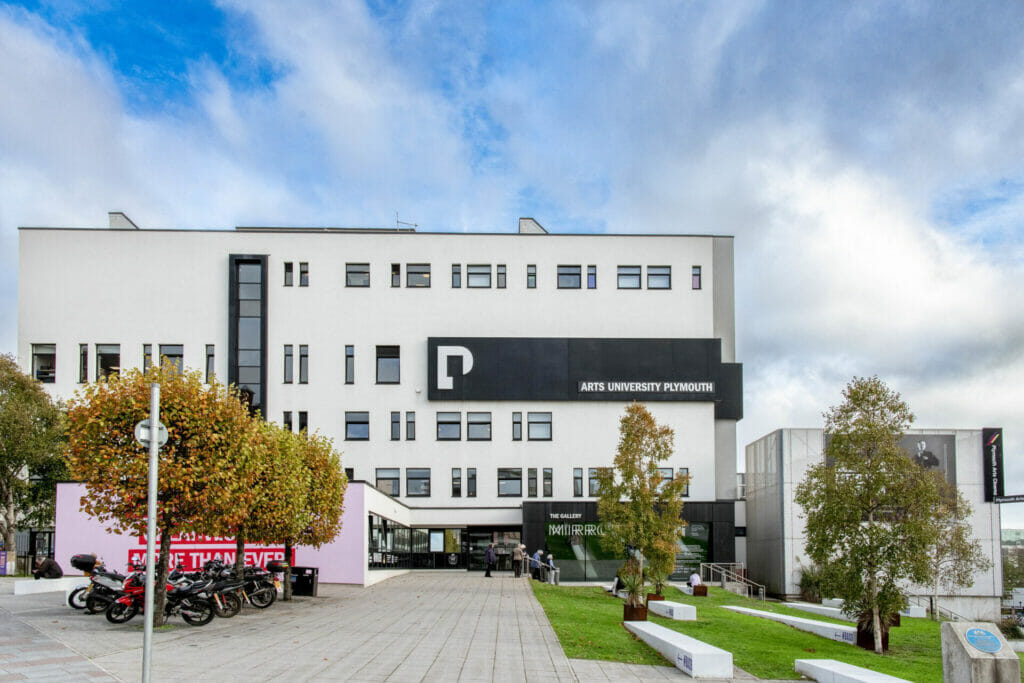
Nationalities represented: 34
International students: 76
Arts University Plymouth places third on the list. As a small creative institution with a strong local and UK-wide applicant base, its international intake remains limited, resulting in lower nationality diversity than many larger arts universities.
4. National Film and Television School – Buckinghamshire
Nationalities represented: 36
International students: 98
The National Film and Television School is another specialist institution with a small overall student population. While it attracts international interest, its highly selective, postgraduate-heavy programmes limit the total number of overseas students enrolled.
5. Leeds Arts University – Leeds
Nationalities represented: 37
International students: 82
Leeds Arts University sits mid-table. Although based in a large student city, its specialist creative focus and relatively small cohort size mean fewer international students compared with nearby large universities.
6. Plymouth Marjon University – Plymouth
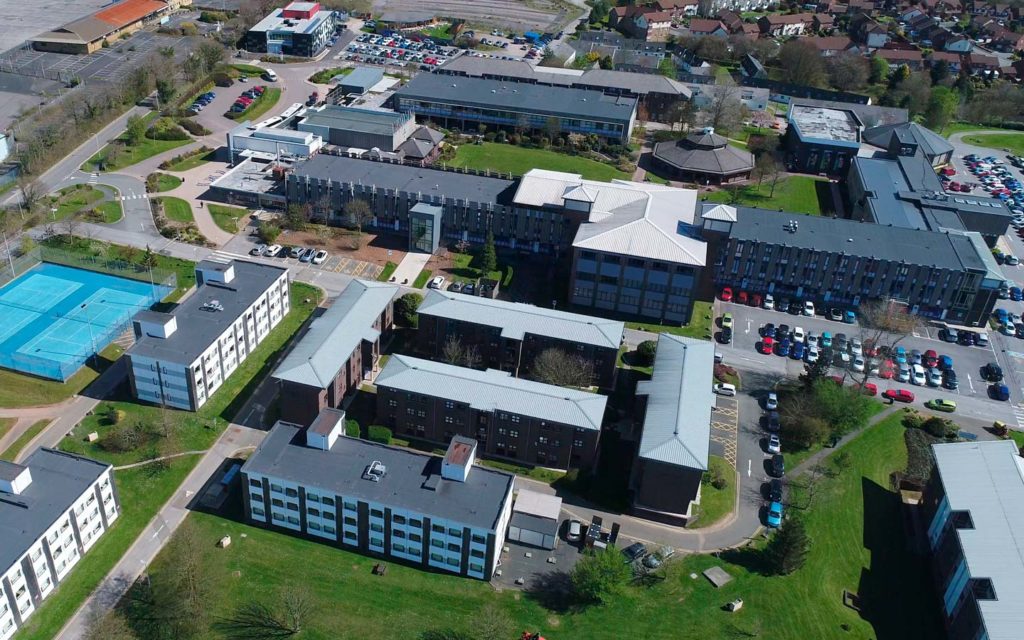
Nationalities represented: 37
International students: 118
Plymouth Marjon University has slightly higher international numbers than other institutions on this list, but still ranks among the least diverse nationally. Its course offering and regional appeal contribute to a largely UK-based student body.
7. Scotland’s Rural College (SRUC) – Scotland
Nationalities represented: 37
International students: 119
SRUC’s specialist focus on agriculture, land management, and rural studies helps explain its limited international intake. Many students come from local or national backgrounds aligned with rural industries.
8. Rose Bruford College – London
Nationalities represented: 37
International students: 131
As a small drama and performance college, Rose Bruford attracts students interested in niche creative pathways. While it has an international presence, its scale keeps overall diversity levels lower than major universities.
9. Courtauld Institute of Art – London
Nationalities represented: 39
International students: 216
The Courtauld Institute of Art narrowly avoids the bottom of the ranking. Although internationally renowned, its small student population and highly specialised academic focus limit the number of international students overall.
10. Leeds Trinity University – Leeds
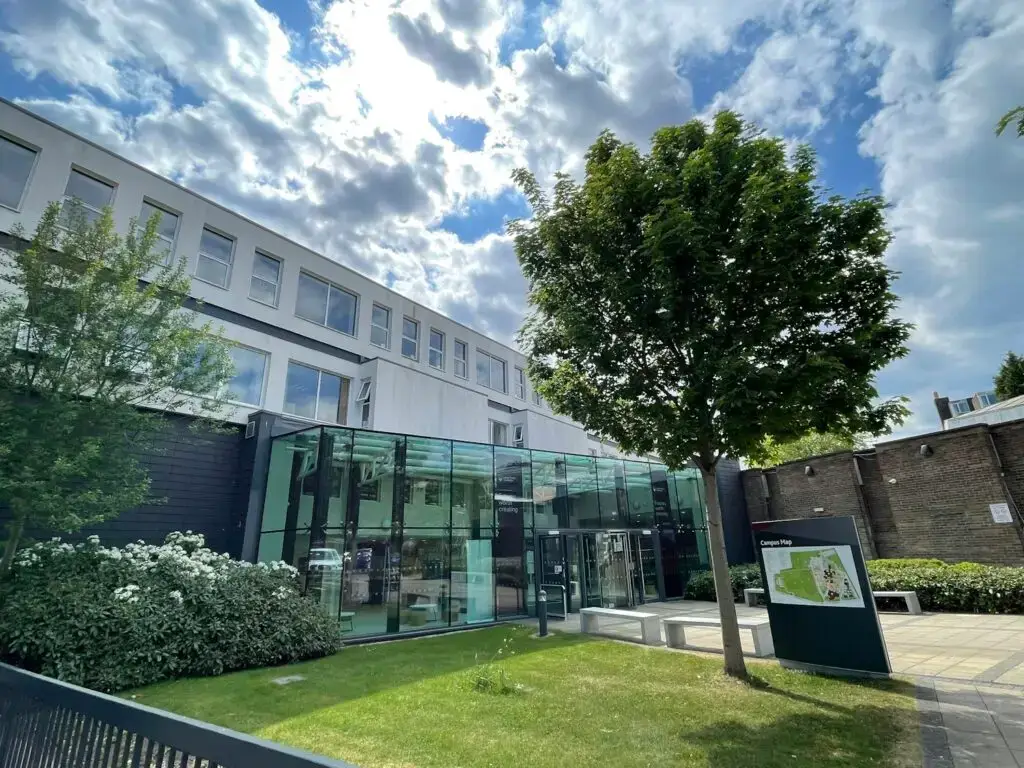
Nationalities represented: 46
International students: 184
Rounding out the top 10 least diverse universities for 2026 is Leeds Trinity University. While it has the highest international numbers on this list, it still falls below the national average for international representation.
11. Royal Conservatoire of Scotland
Nationalities represented: 47
International students: 306
The Royal Conservatoire of Scotland ranks among the least internationally diverse universities despite having a visible global presence. With 47 nationalities represented and just over 300 international students, its position reflects its small, highly specialised cohort rather than a lack of international interest. As a conservatoire focused on music, drama, dance, and production arts, student numbers are tightly capped, naturally limiting overall diversity.
12. Royal Agricultural University
Nationalities represented: 48
International students: 153
Based in Cirencester, the Royal Agricultural University also features in the bottom group for international diversity in 2026. With 48 nationalities represented and 153 international students, its intake is shaped by a strong focus on land-based, agricultural, and rural business degrees. Many students are drawn from UK farming and countryside backgrounds, contributing to a more domestic-heavy student population.
Why do some universities have lower diversity?
Universities with lower international diversity often share common characteristics:
- Smaller overall student populations
- Specialist or niche subject focus
- Strong regional or domestic recruitment
- Limited postgraduate or research provision
- Less emphasis on international marketing
Universities with lower levels of international diversity often share a number of structural and strategic characteristics. Many are smaller institutions, which naturally limits the size and variety of their student body compared with large, multi-faculty universities. With fewer places available overall, international representation tends to be lower even if there is overseas interest.
Others have a specialist or niche academic focus, such as arts, agriculture, performance, or rural studies. While these subjects can attract highly motivated international applicants, they typically appeal to a narrower audience than broad-based degrees, reducing the overall number of international students enrolled.
Strong regional or domestic recruitment also plays a role. Universities that serve local communities, teacher training routes, or industry-specific pathways often prioritise UK applicants, particularly those with existing links to the region or profession.
In some cases, limited postgraduate or research provision further reduces international intake, as overseas students are more likely to enrol on master’s or PhD programmes. Finally, universities with less emphasis on international marketing and global recruitment may attract fewer international applicants, even if they offer high-quality teaching and student support.
This doesn’t mean these universities are unwelcoming — but rather that their structure and mission naturally attract fewer international applicants.
So, that’s a wrap for our list of the least diverse universities in the UK. Stay tuned for our list of the most diverse universities in the UK- great for international students wanting to fit in. Are you an international student studying in the UK? Say hi in the comments and let us know how you are finding your experience of studying abroad in the UK.

FAQs on the Least Diverse Universities in the UK (2026)
Based on the latest 2026 data, Bishop Grosseteste University in Lincoln is ranked as the least internationally diverse UK university. It represents around 20 nationalities and has just over 30 international students, reflecting its small size and domestic-focused recruitment.
Lower diversity is often linked to smaller student populations, specialist subject focus, strong regional recruitment, limited postgraduate provision, and less emphasis on international marketing rather than a lack of inclusivity.
Often, yes. Specialist institutions such as arts schools, conservatoires, or agricultural universities tend to attract more targeted applicant groups, which naturally limits the number of international students compared with large, multi-faculty universities.
Least diverse universities may represent as few as 20 to 50 nationalities. By comparison, highly international universities such as UCL or Imperial College London often have students from well over 100 countries.
It can. Some students value the close-knit community and smaller campus feel, while others may find fewer cultural events or international perspectives compared with more diverse universities.
Yes. Graduate outcomes depend more on course quality, teaching, placements, and employer links than diversity alone. Many smaller universities have strong local and industry connections.
Students can support diversity by joining cultural societies, engaging with international student networks, supporting exchange programmes, and taking part in inclusion-focused initiatives run by their university.
Not necessarily. Many smaller or specialist universities offer strong pastoral support and a welcoming environment, even if their overall student population is less internationally varied.
In smaller towns, lower diversity can mean fewer international events or cultural amenities. However, some students prefer the quieter lifestyle and strong sense of community these locations offer.
They are a useful starting point, but they don’t capture the full student experience. Prospective students should also review official data, university support services, and speak to current students where possible.