




The transition to university can be a challenging process, and for neurodivergent students in particular, it can be even more difficult. There are many factors that individuals with ADHD might think about when deciding to go to university, like time management, focus, independence, etc. As a neurodivergent student, I found myself thinking this question when applying two years ago, and I will admit that I have struggled at times. However, I have also had an amazing experience! This is because I have found many ways of working with my neurodiversity, so that I don’t have to struggle.
What is ADHD?
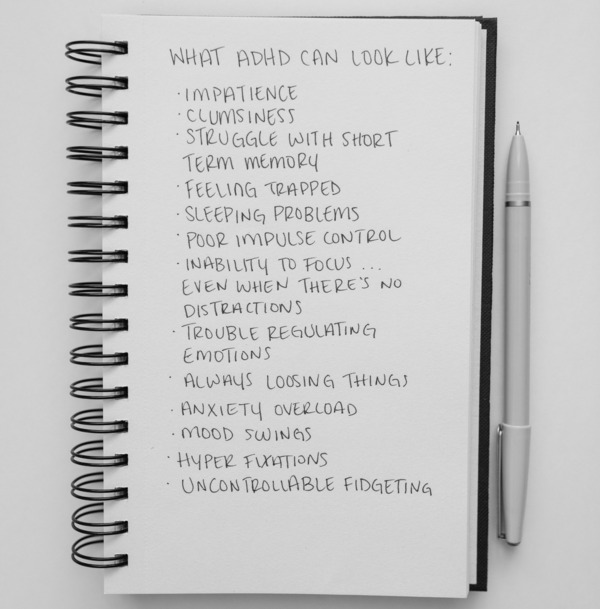
The NHS defines ADHD (attention deficit hyperactivity disorder) as ‘a condition where the brain works differently to most people. If you have ADHD, you may have trouble with things like concentrating and sitting still.’ However, ADHD can present itself in a myriad of ways for those with the disorder. ADHD can manifest itself in diverse ways, from struggling to sit still in a lecture to finding it difficult to budget your student finance. This means that there isn’t a one-size-fits-all solution to managing it at university. However, I have found some tips and tricks for working around it that I want to share with you!
Difficulties with studying
Assignments
Students with ADHD may find that they have difficulty with executive functioning. This can mean that you might have trouble with planning for assignments, managing independent study time and deadlines, and struggling to stay motivated or focused. For example, when I have days without lectures and seminars, I find it hard to actually get started on tasks. Similarly, I find it really difficult to stay concentrated in noisy lecture halls and to sit still for a long time on the same task.
Another way ADHD can make studying difficult is by making it hard to stick to deadlines. Especially at university, where you might have to manage things like a part-time job, essays and seminar reading. As mentioned above, a great way to work around this is to create a timetable or checklist. Having something to follow and to see the tasks laid out visually can help clear your mind. I like to keep one on hand in my notes app.
In addition to this, setting up meetings can help keep you on track. This helps when you have essays due, because the deadline can feel a long way off at the beginning. Emailing your tutor or booking an appointment can help you to create more achievable goals in the short term, so that you don’t procrastinate or feel overwhelmed.

Independent studying
When I’m struggling with studies, I’ve found that giving myself structure helps the most. This can include making a timetable, downloading a study app, or setting up meetings with my lecturers or academic support. By having a guideline to follow or a deadline to approach, it helps me to get started on my work rather than leaving it til the last minute. This could look like using websites to create a timetable, like Canva, or following study videos on YouTube, like this one with a Pomodoro timetable.
Other ways to stay focused on work can be to eliminate distractions. This isn’t always easy to do, especially in accommodation when you’re surrounded by student clubs! However, I’ve found that noise-cancelling headphones or music are great for focusing. And if these don’t work, I will force myself to go to the campus library or a public space to study, as it helps keep me in that study zone rather than relaxing at home.
Life in student accommodation
A big part of university is learning how to be independent. Even for students who stay at home or commute, there are new skills and unfamiliar environments to navigate that can seem daunting. Whether it’s cooking, shopping, budgeting, travelling, or just being in a new place, providing yourself with a few ways of getting through these things can make those unavoidable experiences a lot easier.
There is a lot of support online and from universities for students learning to be independent. It can range from recipes for affordable student meals to templates for budgeting your finances. I’d recommend taking a look at university pages, your student hub, and online student areas. For example, my student guild has an online recipe book for students, made by students! These can be really useful for students with ADHD, who find it hard to plan or manage these responsibilities. I also like to use Reddit, as I’ve found a lot of relatable posts from other neurodivergent students.
It sounds really obvious, but another useful tool is a planner. Routine is really important for neurodivergent people, as structure can help with productivity and reducing stress. Like a timetable or checklist, writing down everything you need to do in one place is helpful for people with ADHD, as we can find task management overwhelming. I like to be creative with mine, so that this feels like a fun and approachable task. For example, creating a meal plan gives me familiar options to guide my shopping each week.
Additionally, these ideas can help you when living with new flatmates. Creating rosters for cleaning/bins, cooking together, and hanging out can help those with ADHD manage their responsibilities. I like to sit in the kitchen and get some work done whilst someone is cooking, as the company helps me stay focused.
Prioritising your mental health
A really important part of university, for all students, is making sure to look after yourself.
With ADHD, emotional regulation can be especially challenging. This means that when we are overwhelmed, feeling burnt out from studying or feeling low, it can be hard to improve our mood. To tackle this, I’ve found that hobbies really help. It sounds simple, but having something fun to look forward to is a great way to combat feeling stressed! Furthermore, this helps you develop a routine, which is also important for neurodivergent students when managing their time at university. For example, this could be buying a sweet treat at the end of the week or finding local events.

Another way to support good mental health is to stay organised. You can do this with the ideas mentioned in the studying section above. By having a consistent study routine, you’re less likely to procrastinate difficult tasks, which can reduce your anxiety.
Finally, my biggest piece of advice is to talk to someone! As someone who finds it hard to share my feelings and ask for help, this has been a big challenge for me. However, once you do it once, it gets easier to continue doing it. And the support is there for a reason! Whether it is online student spaces, university support, or therapy, any form of support can be a lifeline. I like to chat to other students online, who might relate to what I’m going through. You can also use mental health apps or just chat with your mates.
Socialising at uni with ADHD
Many students find the social life of uni as important as their grades. It is important to find things to do that you enjoy and to know how to balance them with your studies. Having hobbies and being social is really important for those with ADHD to help with emotional regulation and avoid burnout.
A great place to start is Freshers/Re-Freshers Week. Societies host a range of fun taster sessions that can help you test out which society works best for you. This could mean thinking about the environment, your interests, and how it fits into your timetable. For me, I found it hard to manage multiple societies at once. So, I like to dip in and out of different societies and to choose one main society to participate in. This means that I can enjoy my hobbies and chat with new people, without feeling stressed by keeping track of multiple weekly sessions.

In addition to this, societies are a great place for testing out new friendships. You could even do this online with public games or by going to university events. My accommodation hosts events for students to have fun and meet each other, and these have been great for finding friends within my accommodation.
What is most important is to be realistic. ADHD can cause rejection sensitivity, impulsivity and difficulty remembering plans. This might mean communicating with new friends about your struggles, and not beating yourself up if you’re finding it hard to make friends. There were a lot of social events in my first year that I didn’t go to because I was overwhelmed, and that’s okay! There’s a common saying that you will never see the people you meet on your first day again, and whilst this isn’t always true, it can be good to keep in mind.
Further guides and support
I hope that some of the tips I’ve shared here show that you don’t have to struggle with ADHD at University. If you’re thinking about higher education, the best place to start is finding somewhere that is right for you. This can mean finding a university that prioritises supporting neurodivergent students. You can even check student guides, as you get authentic ratings from disabled and neurodiverse students.
We have further support for neurodivergent students that you can check out. Moreover, you could read some experiences at uni shared by neurodivergent students, to see what it is really like!