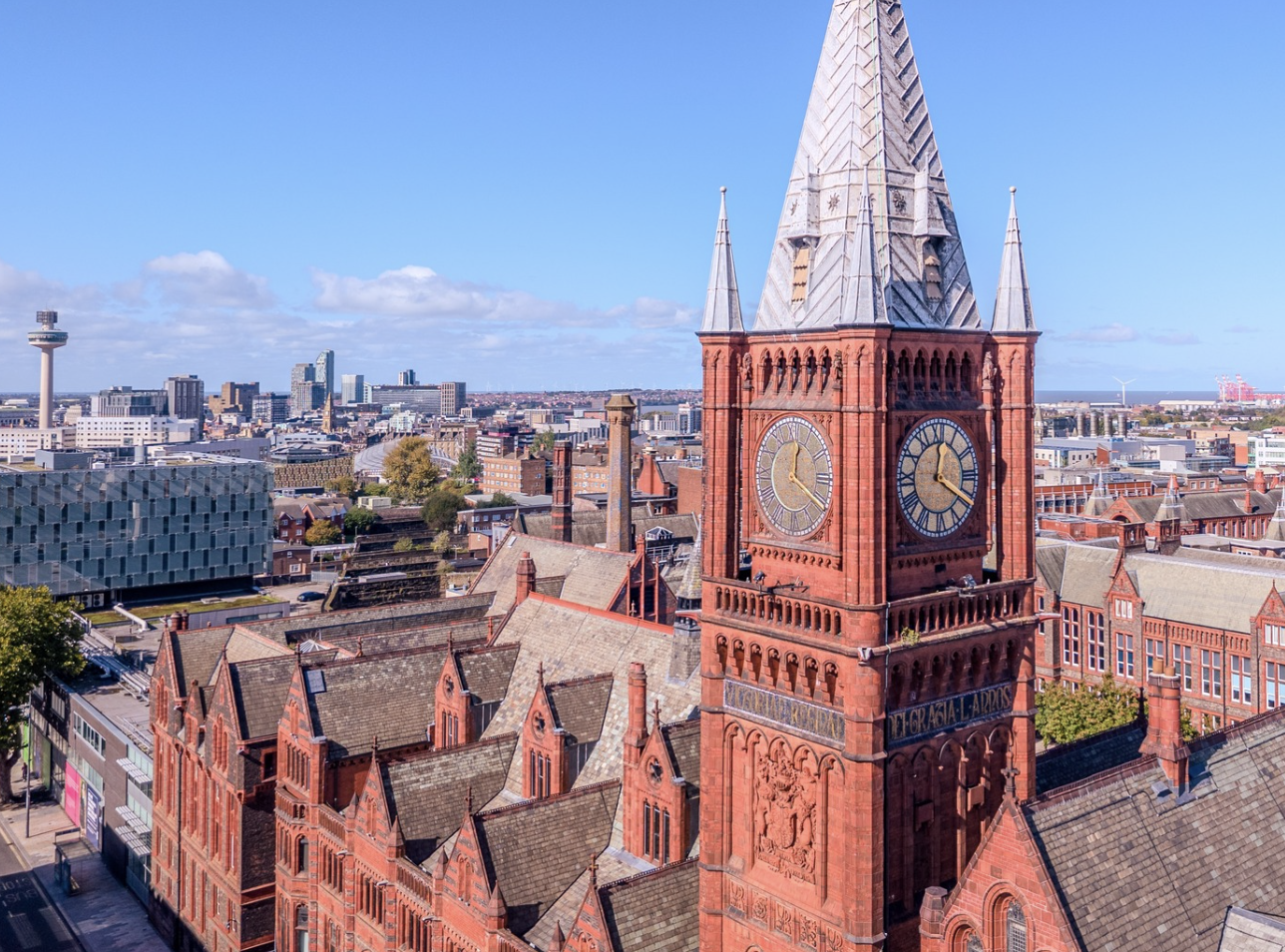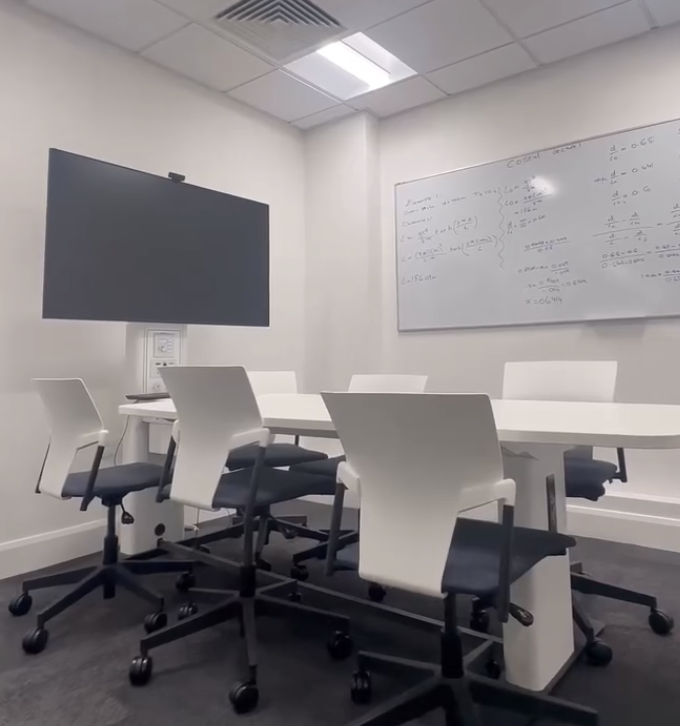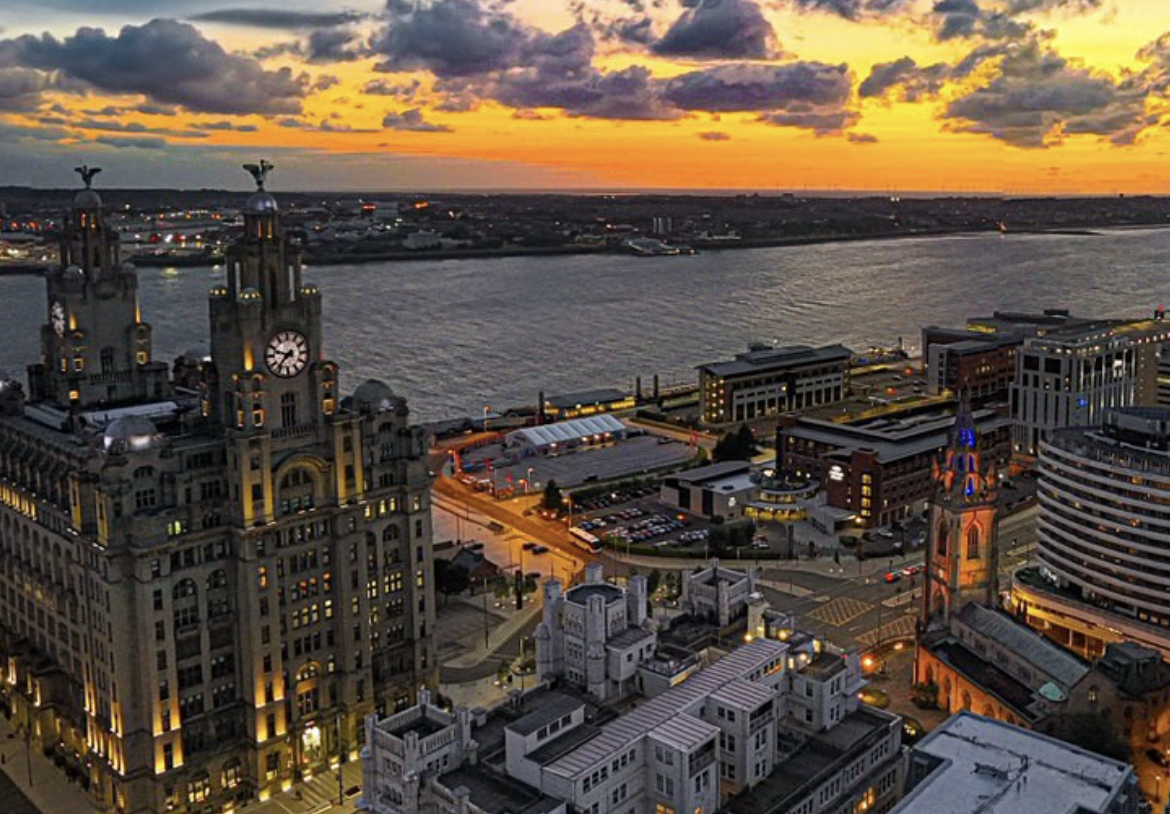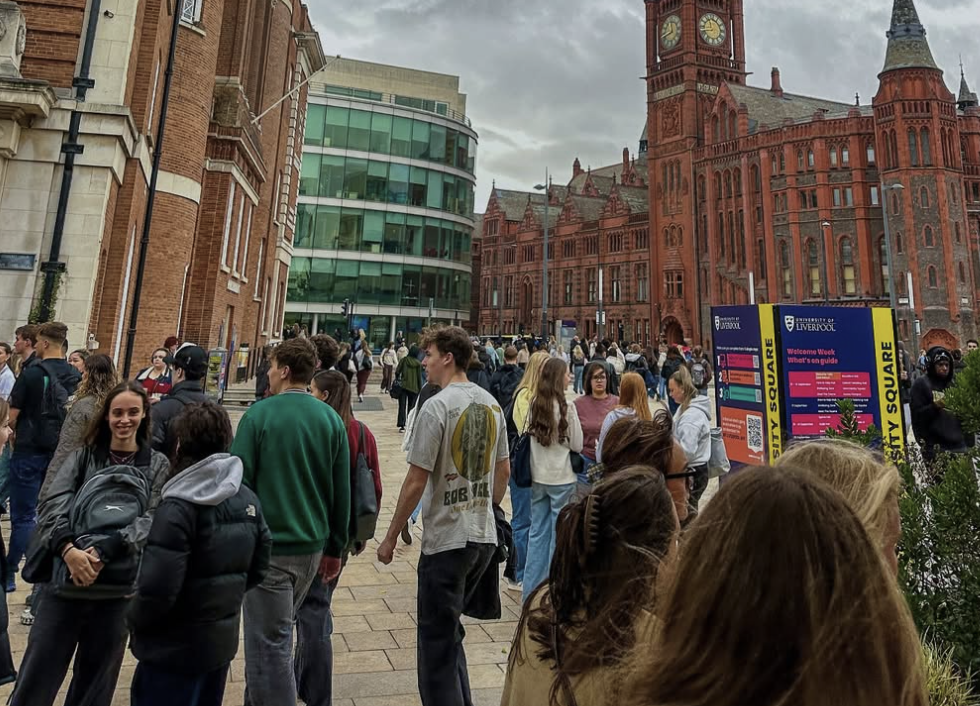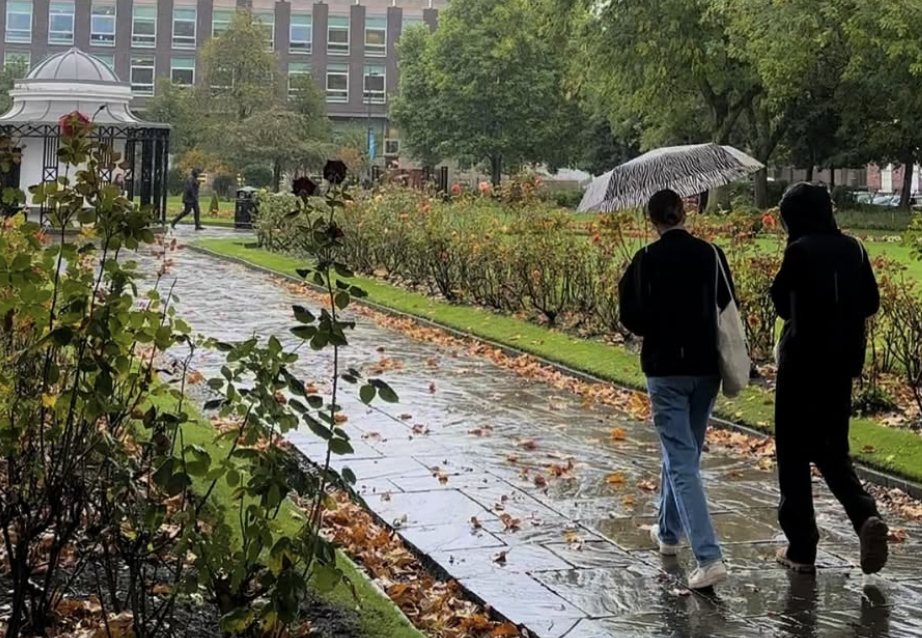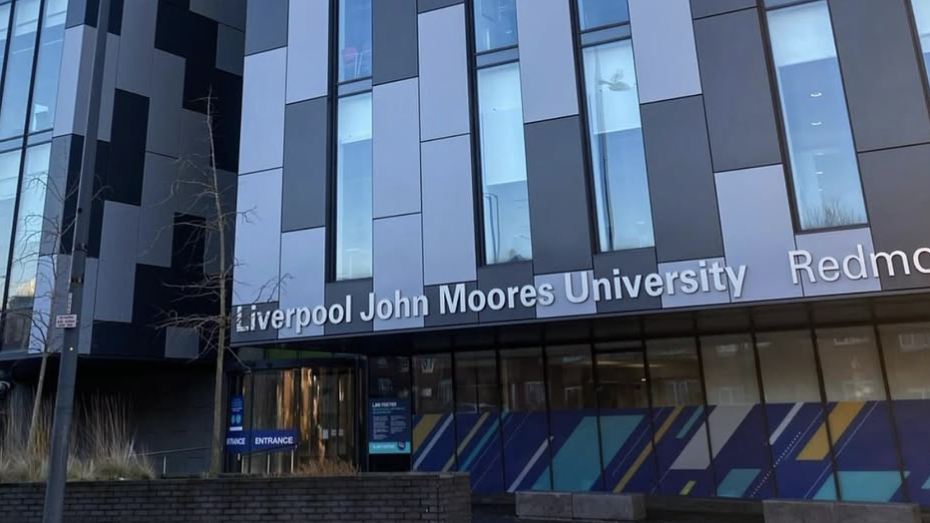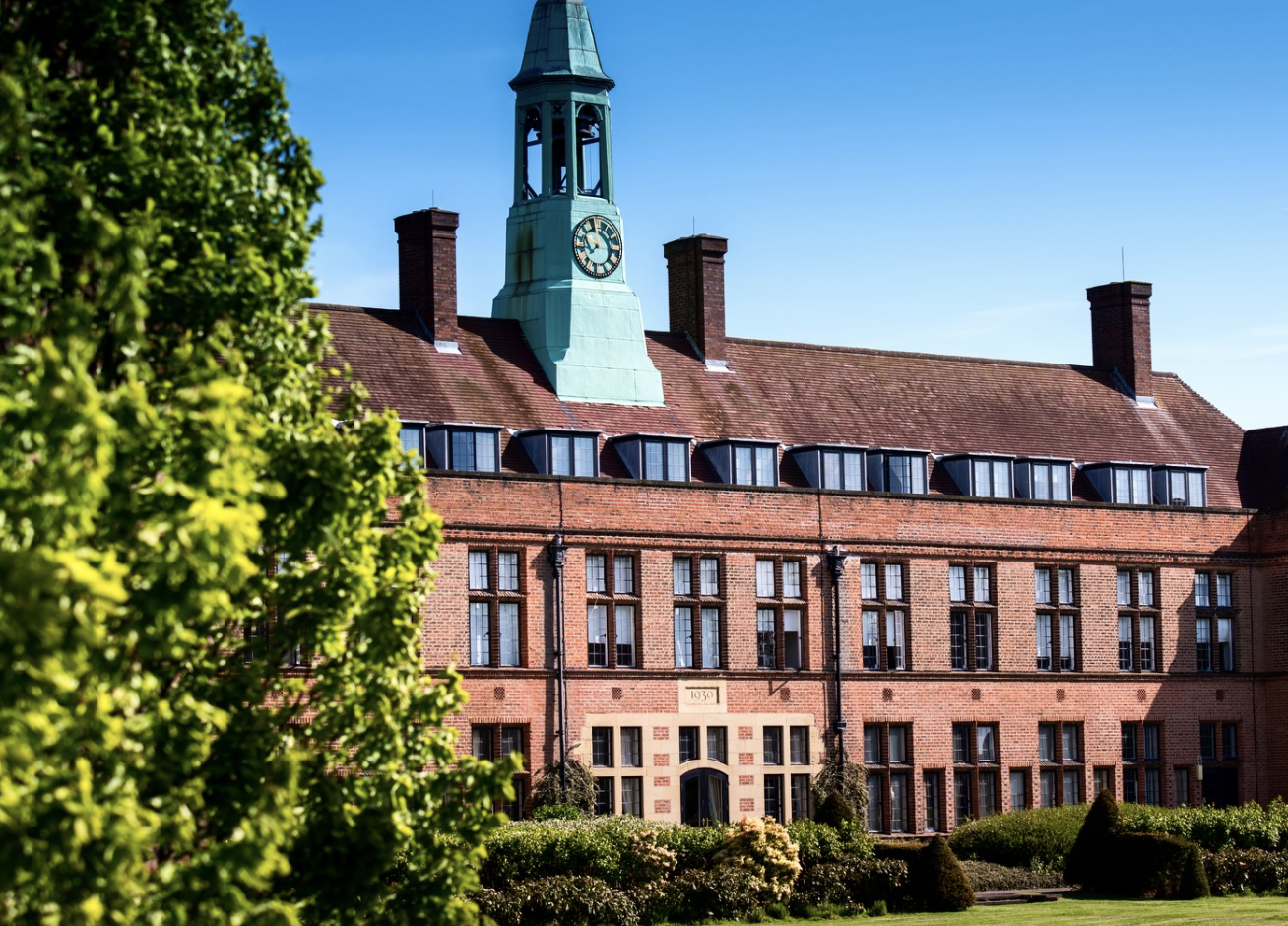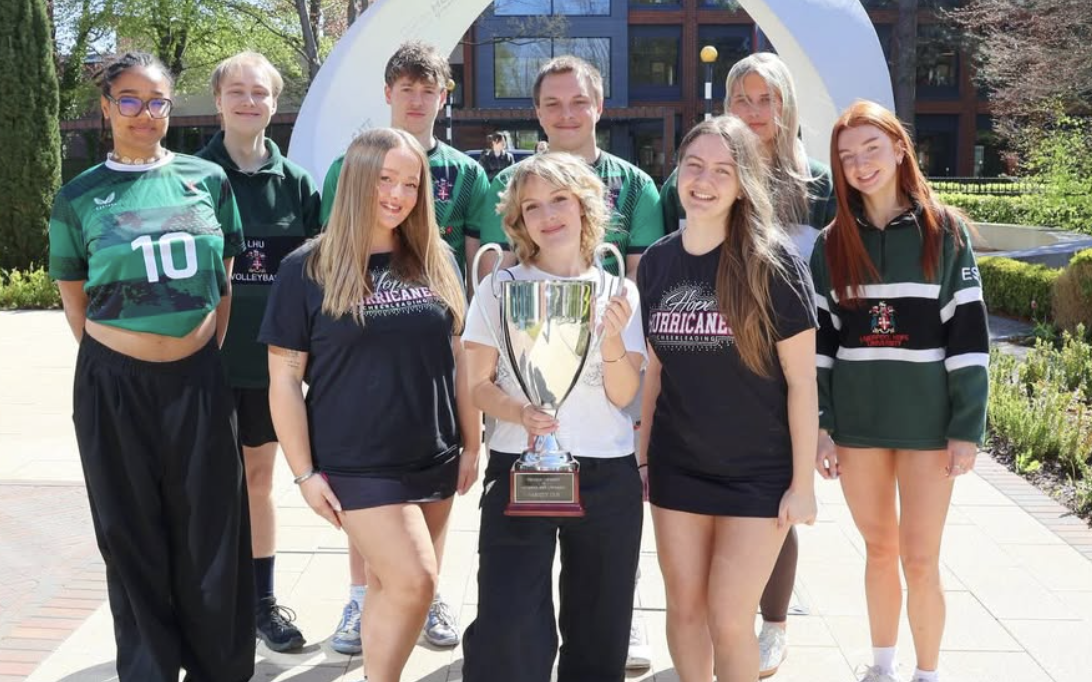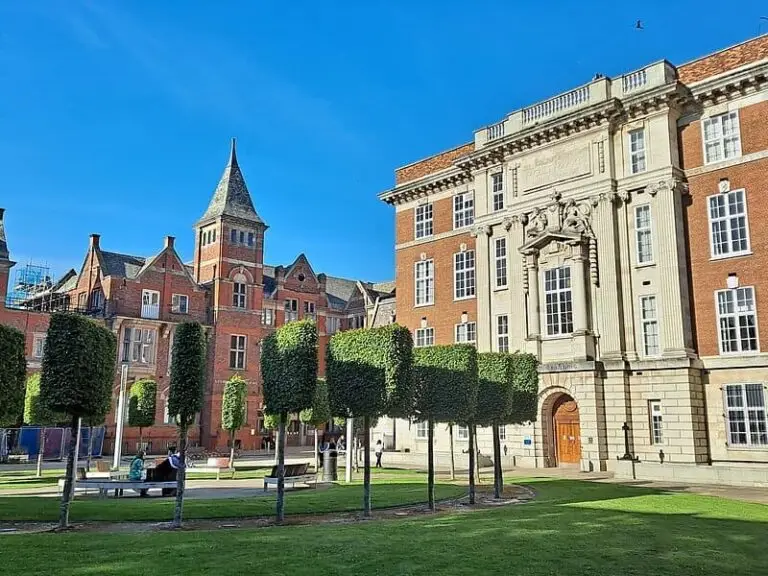
Liverpool is home to three prestigious institutions offering exceptional education and student experiences.
The University of Liverpool is consistently ranked in the UK top 20 — a prestigious Russell Group institution founded in 1881, with outstanding research across medicine, law, engineering, and the arts, set in a city that gave the world The Beatles, two Premier League clubs, and a waterfront on the UNESCO World Heritage list.

Liverpool is ranked in the UK top 20 — a Russell Group institution with world-class research output across medicine, law, architecture, engineering, and the sciences. Nine Nobel Prize winners are connected to the university. The Liverpool School of Tropical Medicine partnership gives medicine students unparalleled global health opportunities. Students work alongside research staff at the forefront of their fields.

Liverpool is consistently ranked one of the UK's best student cities — vibrant, proud, and distinctive. The Albert Dock, Mathew Street, Sefton Park, and the Cavern Quarter are all on the doorstep. Manchester is 35 minutes. London is 2 hours. The city's UNESCO World Heritage waterfront and two top-flight football clubs are part of everyday student life. Liverpool's legendary warmth and humour make it one of the UK's most welcoming cities.

With 22,000+ students from over 130 countries, Liverpool has one of the UK's most internationally diverse student communities. The Guild of Students is one of the UK's largest and most active. Liverpool's famously warm and irreverent character — the Scouse welcome is genuinely distinctive — means students settle in remarkably quickly. The city's three-university student population creates an extraordinarily rich student ecosystem.

Liverpool is significantly cheaper than London or Bristol — and consistently among the UK's best-value Russell Group cities. Average rent runs £550–£800/month. The city's independent bar, café, and restaurant scene is outstanding value. Manchester — with its wider job market and cultural offer — is just 35 minutes away. Liverpool offers Russell Group quality without the London premium.
Liverpool John Moores University is a TEF Silver institution with a strong city-centre presence — consistently ranked among the UK's leading modern universities, with outstanding programmes in sport science, architecture, nursing, business, and creative arts, and a student experience woven into the fabric of one of England's most exciting cities.

LJMU holds TEF Silver and is consistently ranked among the UK's leading modern universities for teaching quality and graduate employment. World-renowned for sport science — its Institute of Sport is one of the UK's finest. Also highly rated for architecture, nursing, film and media, and business. Strong industry placements are built into most courses, with excellent links to Merseyside's health, sport, and creative industries.

LJMU's campuses are spread across Liverpool city centre — with buildings near Mount Pleasant, the waterfront, and throughout the city's vibrant core. Students are immediately immersed in Liverpool's extraordinary culture, music venues, bars, and restaurants from day one. Manchester is 35 minutes. The Lake District, Peak District, and North Wales are all within easy reach for outdoor weekends.

With 24,000+ students from across the UK and internationally, LJMU has a diverse and ambitious community. The Students' Union is active and welcoming. Liverpool's three-university student ecosystem — with the University of Liverpool and Liverpool Hope — creates a combined student population of over 55,000 and some of the UK's liveliest student culture. LJMU and UoL students mix freely across the city's bars, clubs, and cultural venues.

Liverpool is one of the best-value major student cities in England — and LJMU's competitive tuition fees make it outstanding value. Rent averages £500–£750/month. LJMU offers bursaries and hardship support. Liverpool's independent food, bar, and music scene is excellent value compared to London or Bristol. Manchester — just 35 minutes away — dramatically expands part-time work and career opportunities.
Liverpool Hope University is a unique, values-led institution — the only ecumenical university in Europe — with an intimate, community-oriented campus in the leafy Hope Park area and an excellent reputation for education, arts, music, and theology programmes. Smaller than its neighbours, Hope offers a genuinely personal university experience in one of the UK's most vibrant student cities.

Liverpool Hope is Europe's only ecumenical university — a distinctive institution that places ethics and values at the heart of academic life. Particularly strong in education (a top destination for primary teacher training), music, fine art, psychology, and theology. Smaller class sizes and a personal relationship between staff and students make Hope an unusually supportive environment. Strong graduate employment rates in education and the caring professions.

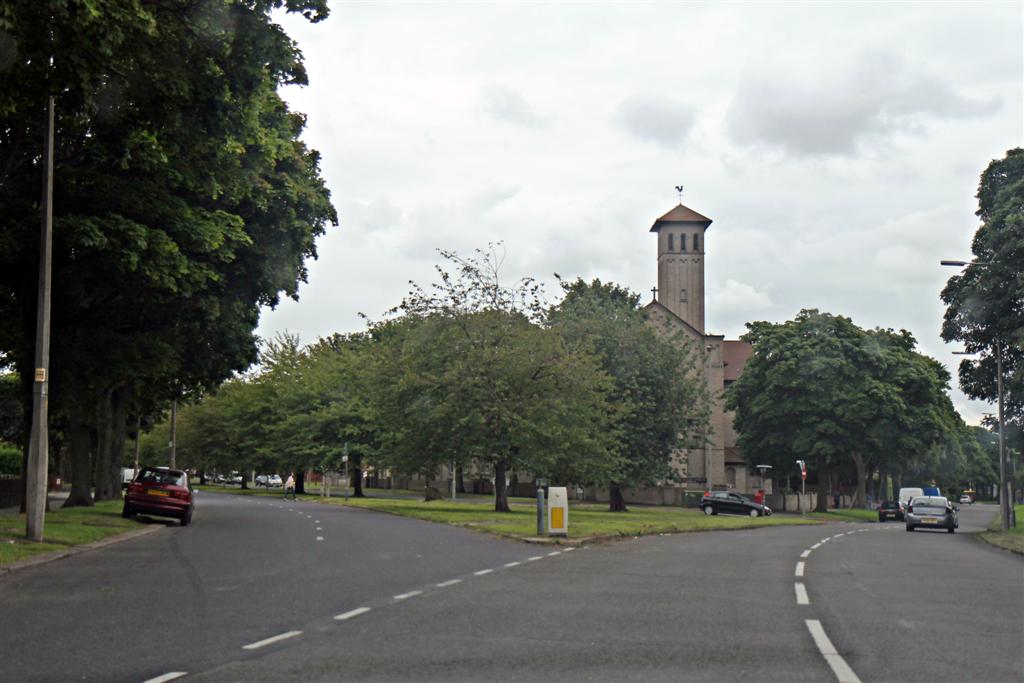
Hope Park campus sits in the leafy Childwall area of Liverpool — a beautiful, green environment very different from a typical city-centre campus. The Creative Campus in the city centre houses arts and music facilities. Liverpool's extraordinary culture, nightlife, and waterfront are easily accessible. Manchester is 35 minutes. The Lake District and North Wales are accessible for outdoor weekends. Students get the best of both: campus tranquility and a world-class city.

With around 8,000 students, Hope is small enough for staff and students to know each other genuinely — creating an unusually close-knit community. The Students' Union is active and welcoming. Students benefit fully from Liverpool's wider three-university student culture — with the city's bars, venues, and events shared across all three institutions. Hope's ethos of inclusion and care creates an environment many students describe as transformative.

Liverpool Hope offers competitive tuition fees and access to Liverpool's excellent-value student life. Rent averages £480–£700/month across Childwall, Wavertree, and other areas near Hope Park campus. Hope offers bursaries and support for eligible students. Liverpool's independent food and nightlife scene is outstanding value — and Manchester's wider opportunities are just 35 minutes away by train.
Discover the best areas to live based on your budget, lifestyle and university.
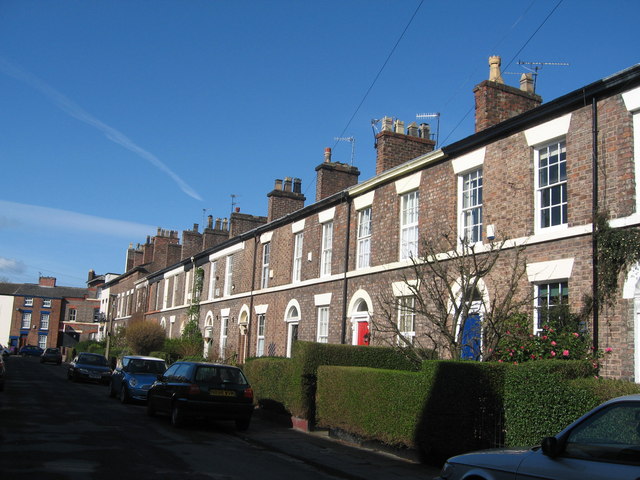
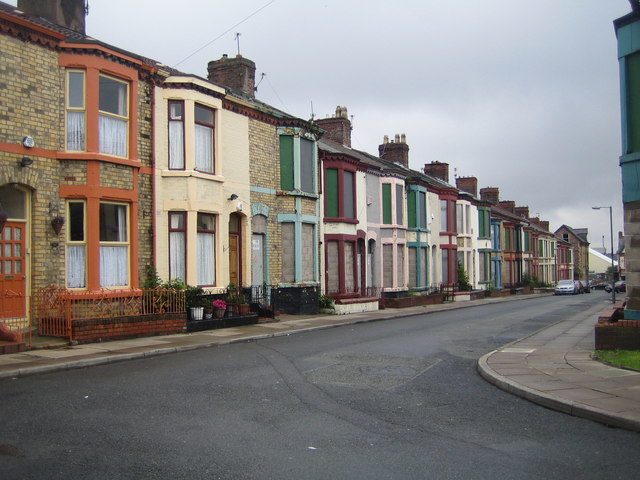
The most popular student area in Liverpool — a lively, affordable neighbourhood east of the city centre packed with student terraces, independent shops, and bars. Kensington is the traditional heartland of University of Liverpool and LJMU students, with fast bus links and cycle routes into both campuses. Strong student community feel throughout, with Queens Drive nearby for those wanting a quieter residential edge.
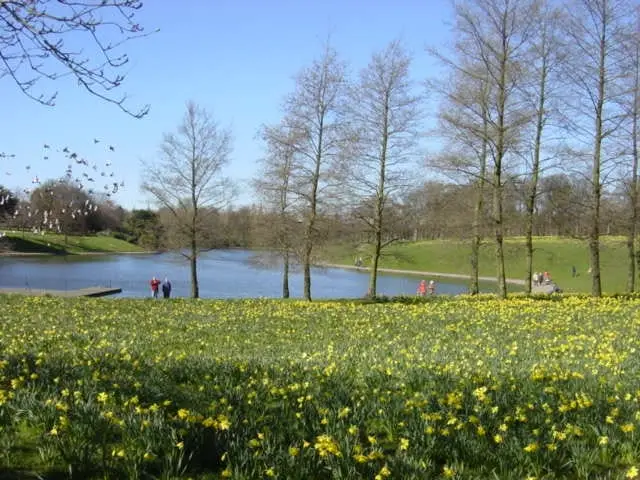
Arguably Liverpool's most vibrant student strip — Smithdown Road is lined with student bars, independent restaurants, takeaways, and coffee shops, stretching from Penny Lane to Sefton Park. Sefton Park itself is one of Liverpool's most beautiful open spaces — perfect for summer days. Extremely popular with University of Liverpool students and increasingly with LJMU students. Slightly more expensive than Kensington but worth it for the location.
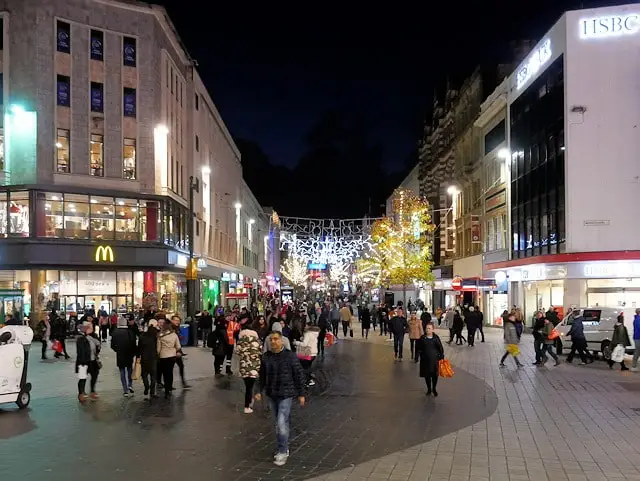
The most central option — ideal for LJMU students whose campuses are spread across the city core, and for students who want Liverpool's nightlife, Albert Dock, and the waterfront on their doorstep. The Ropewalks area is the city's creative and nightlife hub — Bold Street, Seel Street, and Concert Square all within walking distance. More PBSA options here than in the traditional student neighbourhoods.
A leafier, more residential option south of Sefton Park — popular with students and postgrads who want a quieter atmosphere and slightly larger houses without being far from campus. Allerton Road has a good mix of independent cafés and restaurants. Well-connected to the city centre by bus. A popular choice for third years, postgrads, and students at Liverpool Hope who want to be within easy reach of Hope Park campus.
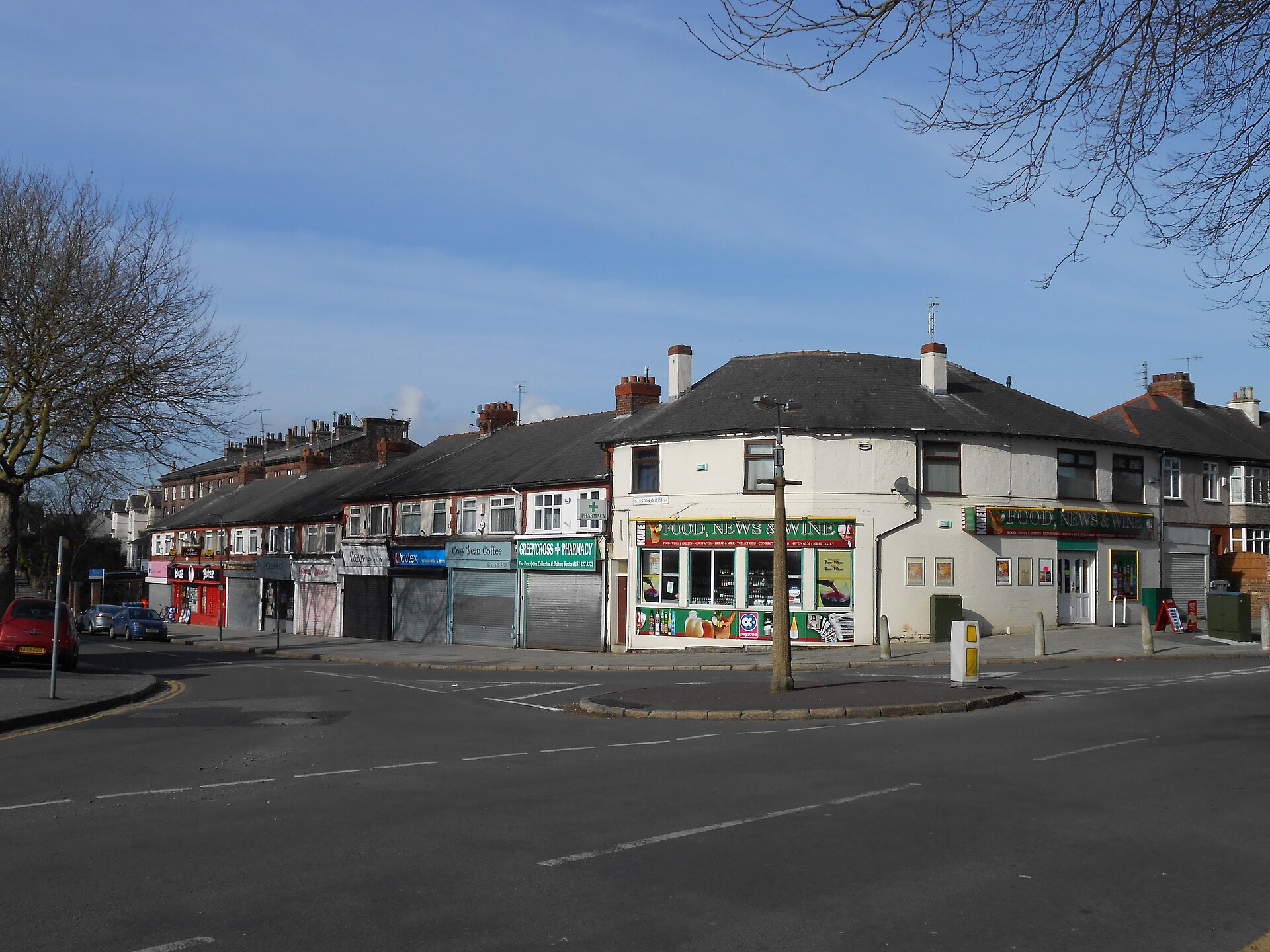
An increasingly popular, affordable option south of the city with a pleasant residential feel and good access to Sefton Park. Aigburth Road has a solid bar and café scene. Lower rents than Smithdown or Kensington make it an attractive option for students on tighter budgets. Well-connected by Merseyrail and bus — Garston station provides fast links across the city and to the airport. A more relaxed, neighbourhood alternative to the busier student strips.
The natural home for Liverpool Hope University students — Childwall is the neighbourhood surrounding Hope Park campus, offering a leafy, green residential environment very different from the typical student strip. Edge Hill is adjacent and slightly more affordable. Good bus links to both UoL and LJMU city-centre campuses. A popular choice for Hope students and for University of Liverpool students who want a quieter, more suburban feel.
Everything you need to know about student accommodation in Liverpool.
Secure your student accommodation using these four steps the year before moving in.
Start researching areas and viewing properties for next year. Get a feel for the market before competition heats up.
Peak house hunting season — the best properties go fast. View, decide, and secure your place early!
Last chance to secure places and sign contracts. Don't leave it any later — good options will be gone.
Finalise details, arrange deposits, and prepare to move in. Summer admin sorted before the new year starts.
The best websites and resources for finding student housing in Liverpool — from official university portals to local letting agents.
Our in-depth review of the top local letting agencies in Liverpool — rated for responsiveness, value, and student experience.
The official UoL accommodation portal — covering university-managed halls on and near the main campus, and private sector guidance for returning students in Kensington, Smithdown Road, and Sefton Park.
Visit siteOfficial housing support for Liverpool John Moores students — covering city-centre halls and private sector listings across Kensington, Ropewalks, and other areas close to LJMU's campus network.
Visit siteOfficial housing support for Liverpool Hope students — covering on-campus halls at Hope Park in Childwall and private sector guidance for students renting nearby in Childwall, Allerton, and Edge Hill.
Visit siteReputable nationwide student accommodation site with Liverpool listings — great for finding shared houses in Kensington, Smithdown Road, Sefton Park, Allerton, and Aigburth near all three universities.
Visit siteStudent property search across Liverpool with thousands of listings. Filter by area, price, and bedrooms to compare Kensington, Smithdown Road, Sefton Park, Aigburth, Allerton, and the city centre.
Visit siteSearch private rentals and terraces across Liverpool. Great for comparing prices from the traditional student strips of Kensington and Smithdown Road through to the more affordable Aigburth and Garston.
Visit siteFind individual rooms in shared houses across Liverpool — ideal for joining an existing household in Kensington, Smithdown Road, Sefton Park, Aigburth, or Childwall near any of the three universities.
Visit sitePurpose-built student accommodation across Liverpool — city-centre properties in the Ropewalks area offering modern en-suite rooms and studios within easy reach of all three university campuses.
Visit siteGet a realistic estimate of living costs in Liverpool with our interactive calculator
From the best student nights out to walking routes around the town, get to know Liverpool with our range of guides written by local students.
Whether your child is considering studying in Liverpool or already enrolled, this guide covers costs, safety, accommodation, and what life is really like as a student in one of the UK's most iconic, vibrant, and genuinely welcoming cities.
All three universities guarantee or strongly support first-year students with on-campus accommodation. From second year, most students move to shared terraced houses — particularly on the Smithdown Road strip and in Kensington for UoL and LJMU students, and near Hope Park campus in Childwall for Liverpool Hope students. The Smithdown Road market fills fast; students should start searching from November. Kensington and Aigburth offer more affordable and accessible alternatives.
Liverpool is significantly cheaper than London or Bristol — and consistently among the UK's best-value major student cities for the quality of experience on offer. Typical monthly costs run £1,050–£1,250 including rent, food, transport, and social life. Rent averages £500–£800/month — notably lower than comparable cities in the South of England. All three universities offer bursaries and scholarships for eligible students.
Liverpool has three highly distinct universities. The University of Liverpool is a Russell Group institution ranked in the UK top 20 — founded 1881 with nine Nobel connections, outstanding medicine, law, and engineering. LJMU (TEF Silver) is world-renowned for sport science, nursing, and film, with city-centre campuses. Liverpool Hope is Europe's only ecumenical university — intimate, values-led, and particularly strong in education, music, and psychology.
University of Liverpool parent guide →All three universities provide counselling, mental health advisors, financial hardship funds, disability services, and academic support. Liverpool's three-university city creates an extraordinarily rich student peer support network — with over 55,000 students sharing one of the UK's most welcoming cities. The Scouse welcome is genuinely distinctive: students from all over the world consistently describe feeling at home in Liverpool faster than anywhere else they've lived.
UoL student support →Parents are warmly welcomed at all three Liverpool university open days. Tour the University of Liverpool's prestigious campus near the city centre, LJMU's city-embedded facilities, or Liverpool Hope's beautiful Hope Park campus in Childwall. All three universities are happy to answer detailed questions about fees, bursaries, welfare, placements, and graduate outcomes — and Liverpool itself is an exceptional city to visit for an open day.
University of Liverpool open days →The Walker Art Gallery, World Museum, and Museum of Liverpool are all completely free and outstanding. The Albert Dock, Cavern Quarter, and Mathew Street are iconic. Sefton Park and Princes Park are some of the finest Victorian parkland in England. Bold Street and Smithdown Road have some of the UK's best independent cafés and restaurants. Manchester is 35 minutes for a bigger city experience. The Lake District and North Wales are accessible for adventurous weekends.
Liverpool is a safe and welcoming city for students — and its legendary warmth makes it among the easiest UK cities for students to feel at home quickly. The main student areas — Smithdown Road, Kensington, Sefton Park, and Childwall — are all well-established and community-oriented. All three universities have active welfare and security services. Liverpool's famous friendliness is genuine: Scousers are known for looking out for one another, and students from across the world consistently remark on how quickly they felt welcome. Normal city awareness applies as always.
Typical monthly costs range from £1,050–£1,250 including rent, food, transport, and social life — making Liverpool significantly cheaper than London, Bristol, or Brighton, while offering comparable or better nightlife and culture. Rent averages £500–£800/month for a room in a shared terraced house. All three universities offer bursaries and scholarships. Bold Street and Smithdown Road's independent food scene is exceptional value. Manchester is just 35 minutes for expanded opportunities.
All three universities provide comprehensive counselling, mental health advisors, financial hardship funds, and academic support. Liverpool's three students' unions are all active and well-regarded. The city's three-university student culture creates an unusually rich peer support network for a city of its size. Liverpool Hope's smaller, community-focused environment is particularly noted for pastoral care — staff know students individually, and support is personal and accessible from day one.
Liverpool is very well-connected for parent visits. Manchester is just 35 minutes by direct Northern Rail — with extremely frequent services. London Euston is under 2 hours by Avanti. Liverpool Lime Street sits in the city centre, minutes from both UoL and LJMU campuses. When you visit, Liverpool is outstanding: the waterfront, the Walker Gallery, Sefton Park, the Beatles story, Bold Street's restaurants, and Anfield or Goodison if you're a football fan. Few UK cities reward a parent visit more generously.
All three Liverpool universities welcome parents at open days — tour the campuses, meet academic and welfare staff, and get honest answers about student life, fees, bursaries, graduate outcomes, and the support available in one of the UK's most iconic and welcoming student cities.
Everything you need to know about student life in Liverpool.
Liverpool is significantly cheaper than London or Bristol — and consistently among the UK's best-value major student cities for what you get in return. Total monthly costs typically run £1,050–£1,250 covering rent, food, transport, and social life. Rent averages £500–£800/month for a room in a shared house. Bold Street, Smithdown Road, and the city's independent café and restaurant scene are outstanding value. Manchester is just 35 minutes away, significantly expanding entertainment, internship, and career options without the Manchester price tag.
Liverpool is a safe and welcoming city for students, and consistently rated as one of the friendliest in the UK. The main student areas — Smithdown Road, Kensington, Sefton Park, and Childwall — are all well-established, community-oriented, and well-lit. All three universities have active welfare and security services. Liverpool's legendary warmth is real: students from all over the world consistently say they felt at home in Liverpool faster than anywhere else they'd lived. Like any major city, sensible awareness applies — but Liverpool's community spirit is genuinely distinctive.
Liverpool's nightlife is among the finest in the UK — widely regarded as the best student city for nights out outside of London. Concert Square, Seel Street, and the Ropewalks area have an extraordinary concentration of clubs, bars, and live music venues. The Cavern Club and Mathew Street are iconic. Smithdown Road has brilliant pre-drinks pubs and bars. All three students' unions run regular events. The city's music scene is world-renowned — gigs and live music are part of everyday student life in Liverpool in a way that's genuinely hard to replicate elsewhere.
First-year accommodation is guaranteed or strongly supported by all three universities — no private searching needed in year one. For private housing from second year, start looking in November or December. The best houses on Smithdown Road — Liverpool's most popular student strip — fill by January. Form your house group before the end of first term, start viewings in November, and aim to sign by January. Kensington fills slightly later. Aigburth, Allerton, and Childwall remain available longer and offer good value for students who start searching later.
University halls typically cost £500–£850/month including bills. Shared houses on Smithdown Road and in Kensington average £520–£720/month per person excluding bills. More affordable options in Aigburth, Allerton, and Childwall run £460–£650/month. Purpose-built private student accommodation in the Ropewalks area runs £650–£950/month with bills usually included. Liverpool is significantly cheaper than London or Bristol for equivalent accommodation — one of its strongest selling points for students comparing Russell Group or TEF Silver universities.
Smithdown Road is the iconic choice — lined with student bars, independent restaurants, and cafés, with Sefton Park at the end. Very popular with UoL students. Kensington is the traditional, most affordable student heartland — terraced houses and fast bus links to both UoL and LJMU. The City Centre and Ropewalks suit LJMU students best — walkable to campus and the heart of Liverpool's nightlife. Allerton and Mossley Hill are leafier and quieter, popular with postgrads and Hope students. Childwall and Edge Hill are the natural home for Liverpool Hope students near Hope Park campus.
No — Liverpool has good public transport and most students in the core student areas manage very well without one. Merseyrail provides fast, reliable links across the city and out to the suburbs. Arriva buses cover Smithdown Road, Kensington, Aigburth, and most student areas comprehensively. LJMU students are often walking distance from campus. UoL students in Kensington and Smithdown can walk or take a short bus. A Merseyrail or bus pass is a much smarter investment than a car. Students near Childwall for Liverpool Hope use buses or Merseyrail easily.
Liverpool is very well-connected by train from Liverpool Lime Street, right in the city centre. Manchester Piccadilly is just 35 minutes by direct Northern Rail — with extremely frequent services throughout the day. London Euston is under 2 hours by Avanti West Coast. Leeds is under 90 minutes. Birmingham is around 90 minutes. Edinburgh and Glasgow are accessible by overnight or daytime services. With a 16–25 Railcard, fares drop significantly. National Express coaches provide budget options. Liverpool Airport also has UK and European connections.
Merseyrail is excellent — a fast, frequent, clean suburban rail network that connects the city centre to most of the wider city. Particularly useful for students in Aigburth, Garston, and areas further from campus. Arriva and Stagecoach buses provide comprehensive coverage of the inner student areas — Smithdown Road, Kensington, and Childwall all well-served. Liverpool Lime Street, Central, and James Street stations provide the wider rail network. The city is compact enough that many students cycle or walk as their primary form of transport.
Yes — your NUS/TOTUM card gets discounts across Liverpool's shops, restaurants, and venues. A 16–25 Railcard saves a third on all train fares including the Manchester and London services. All three students' unions run subsidised events and good-value bars. The Walker Art Gallery, World Museum, and Museum of Liverpool are completely free. Sefton Park and Princes Park are free. Bold Street and Smithdown Road's independent scene is excellent value. Discounted student tickets are available at the Everyman and Playhouse theatres and the Philharmonic Hall.
Liverpool has a solid part-time job market — particularly in hospitality, retail, events, and tourism (the city's visitor economy is substantial). All three universities have active careers services with part-time job boards. The Ropewalks and Albert Dock areas offer plentiful bar, restaurant, and events work. Crucially, Manchester is just 35 minutes by train — which dramatically expands the available part-time job market, particularly for internships and creative or professional sector roles that Liverpool's market doesn't always offer as widely.
Liverpool is genuinely rich in culture. The Walker Art Gallery, World Museum, and Museum of Liverpool are all completely free and world-class. The Everyman and Playhouse theatres, the Philharmonic Hall, and the Tate Liverpool offer excellent student-priced culture. Sefton Park is one of the UK's finest Victorian parks. The Beatles Story and Albert Dock are on the waterfront. The Peak District and Lake District are accessible for outdoor weekends. North Wales is under an hour. And Manchester — 35 minutes — adds an entire other world-class city's worth of cultural, sporting, and leisure options.
Liverpool is one of the great UK student cities — and consistently underrated by students who haven't been. It combines three strong and distinct universities with the UK's finest nightlife and music scene outside London, world-class free museums, outstanding food, extraordinary warmth, and a city identity that is genuinely unlike anywhere else in the country. Students who choose Liverpool almost universally say the city exceeded every expectation. It is a place with a soul — and that makes a significant difference to the quality of a student's experience over three or four years.
All three universities have distinct, well-established reputations. The University of Liverpool is a Russell Group institution ranked in the UK top 20 — with nine Nobel Prize connections and outstanding strength in medicine, law, engineering, architecture, and economics. Liverpool John Moores (TEF Silver) is world-renowned for sport science, and highly regarded for nursing, architecture, film, and business. Liverpool Hope is Europe's only ecumenical university — particularly strong in primary teacher training, music, psychology, and fine art, with an intimate pastoral approach that is genuinely distinctive.
Yes — all three are strong in their respective areas. The University of Liverpool's Russell Group membership and top 20 UK ranking reflect consistently high academic standards and research output. Graduate employment rates are strong. LJMU's TEF Silver and world-leading Sport Science Institute reflect genuine excellence in applied, career-focused teaching. Liverpool Hope's intimate community and high pastoral quality make it particularly well-regarded for education and the arts. All three benefit enormously from their location in one of the UK's most culturally distinctive cities.
Entry requirements vary significantly across the three universities. The University of Liverpool is selective — most courses require BBB–AAA at A-Level, with Medicine and Dentistry among the most competitive. Architecture and Law are also popular and demanding. LJMU is more accessible — most courses require BBC–ABB, with Sport Science and Nursing requiring strong grades. Liverpool Hope is the most accessible — most courses require BCC–ABB, with creative programmes assessed partly on portfolio or audition. All three hold open days with direct admissions guidance from subject departments.