


A recent YouGov survey found that the Green Party now leads among the under 30s, with a particularly notable vote share among 18-24 year olds. But who is this political party, and why are they so popular with young people?
Who are the Greens?
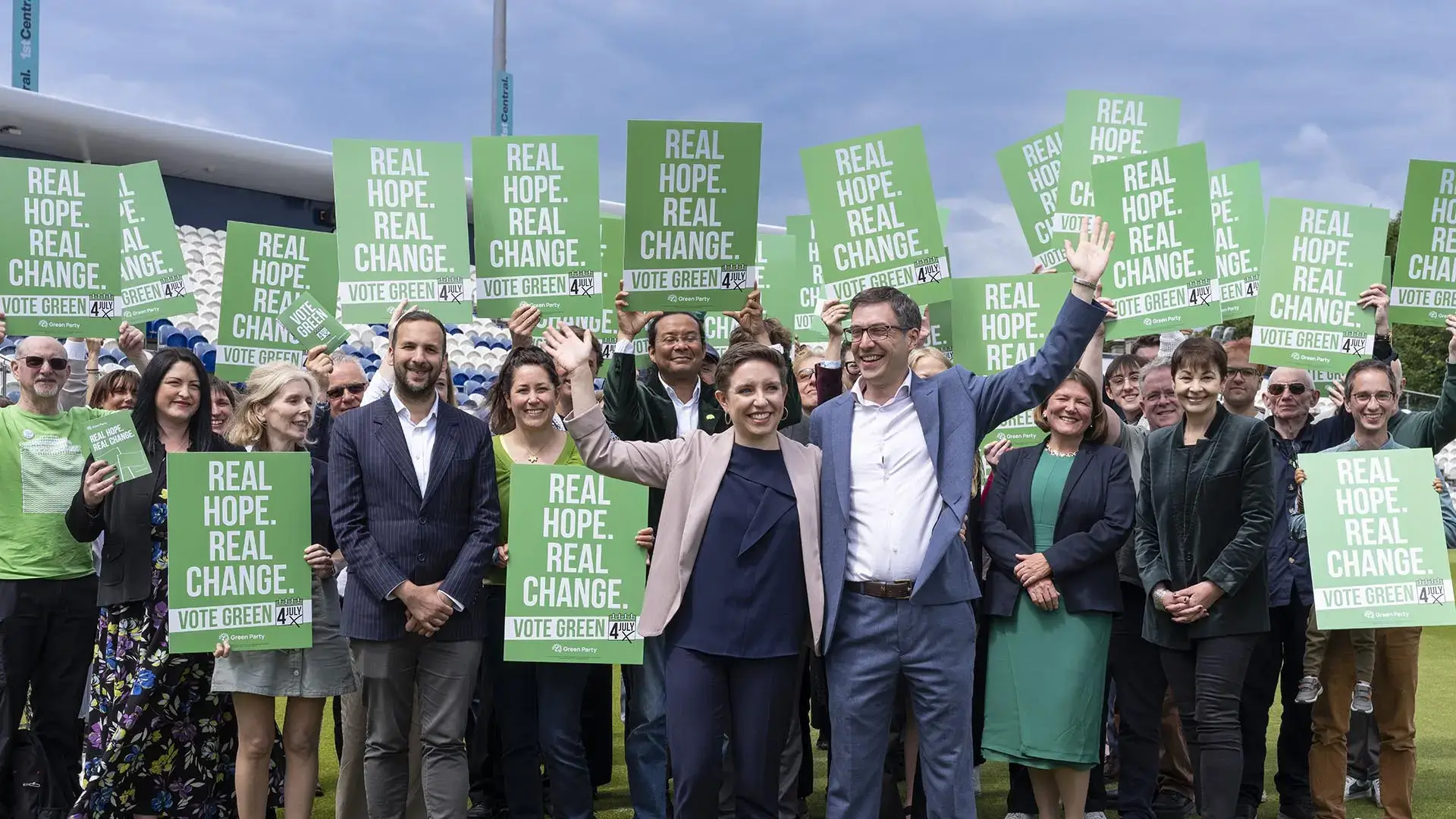
Founded in 1973, the Green Party was originally named the “PEOPLE Party”. They adopted their current moniker in 1985, highlighting their commitment to the environment. Now led by Zack Polanski, who became the party’s leader in September 2025, their campaigning slogan is “Real Hope. Real Change”. As young people have become increasingly disillusioned with the current political system and the country as whole, it is unsurprising that this promise of “hope” and “change” has spoken to our generation.
This left-wing party has built their campaign on a commitment to “fairness”. In their constitution, they promise to build a “greener, fairer country together”, emphasising the importance of “providing fairer, greener homes for all”, “powering up fairer, greener energy”, and “building a fairer, healthier country”. As 49% of 16-25 year olds are “very or extremely worried” about climate change, it makes sense that a party committed to the environment is polling highly with young people.
What is it about Zack Polanski that is so appealing to students?
Zack Polanski has emerged as one of the more recognisable political voices amongst UK student audiences. His growing popularity with students reflects a combination of communication style, policy focus and broader generational trends, shaping how young people engage with politics.
One defining aspect of Polanski’s appeal is his more direct, conversational tone. Instead of relying on a more traditional political message, he speaks in a way that mirrors the fast-paced communications that students use and see online. His background in theatre and a drama school in Georgia (USA) helps contribute to a confident delivery and a style that a young audience find engaging and easy to follow.
Polanski’s political messages centre on issues that resonate strongly with students. Through his work with the Green Party, he has highlighted issues such as climate change, mental health, trans rights, nationalisation of water and energy, and a regulation of drugs. A lot of these affect university life and career prospects. The alignment between policy priorities and lived experience helps create a sense of relevance among younger voters.
What do students say about Polanski’s politics?
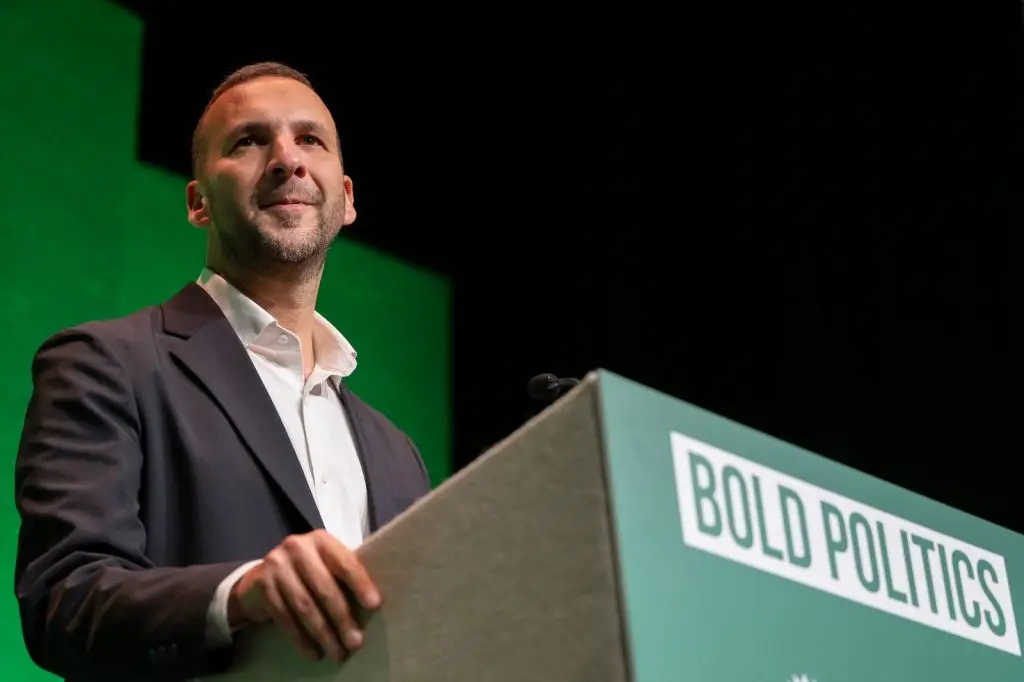
The party’s focus on universal challenges and positivity has resonated with students, making note of how “everyone had enough of conflict and negativity and want someone in charge who can make everyone lives better not just their voters” (Oscar, 21, The University of Manchester).
He also has a strong presence on social media. Students and younger voters can consume political content in bite-sized chunks. He has short-form videos, podcast appearances and so on which help him reach audiences outside of traditional media channels. This is great for those who rarely watch political channels and televised debates, it allows them a primary source of political exposure.
Students responded to his online presence, saying “Zack Polanski has been an important figure online to answer reforms online presence. His personality and genuine demeanour to me make the Greens seem the most trustworthy party at the moment which is super important where politicians make policy U-turns every other week” (Oscar, 21, University of Manchester).
Do all students support the Greens?
While a lot of students respond positively to Polanski, this isn’t entirely uniform. Some students think that some of his proposals lack practical details or he is too reliant on performance. Other students prefer politicians from larger parties that have more immediate pathways to the policies they want to see. The mixed reactions illustrate a diversity of political perspectives with the student body.
We saw some of this lack of confidence in policy as another student at The University of Manchester, Joe (21), spoke up about how “their stance on nuclear energy is just a complete contradiction of what they’re trying to achieve with climate change”
Ultimately, Polanski’s popularity among students may say as much about generational change as it does any politician. Student voters increasingly prioritise authenticity, digital communication and clearer connections between politics and the every day. His popularity is linked with how effectively he connects with evolving student concerns where most politicians do not engage.
We saw this desire for authenticity being voiced among students. Lucy (21), at the University of Liverpool stressed that voting for the Green Party is conditional upon whether “they keep up with their current messaging and policy plans, they feel less driven by elitism which is important to ensure they are focusing on the majority of the country.”
What could this mean more widely for British politics?
Polanski’s rise in popularity with student audiences offers a glimpse into where British politics could head next. What happens when a politician connects strongly with students? How does this translate into the wider political sphere?
Students are generalised as being politically engaged online, but less consistent at the ballot box. When a political figure that resonates with students sits on the ballot paper, the turnout for younger voters might increase significantly as students would be more enthusiastic about voting.
If that happens, elections might start looking different. Seats that might normally be safe seats for a party like Labour or the Conservatives might become more competitive. Issues like rent, climate change, and job insecurities would climb higher on campaign agendas and safe seats may no longer be safe.
One student at York touched on the changing climate of political values, stating that “the Green Party retains the kind of socialist values Labour has lost – the same values that concern young people, the immediate police that affect everyday life” (Eloise, 21, The University of York).
Polanski’s popularity also reflects a shift towards politicians who build a more direct and personal relationship with their target audience online. It would mean less reliance on traditional media platforms (news, televised debates, newspapers etc), and would lean on personality-driven content, livestream debates, shorter videos that get straight to the point and so on.
The upside to this is that politics would feel a lot more accessible and less distant, relationships with politicians would increase. However, campaigns can become more about individual branding, which could create issues with social media. Students mentioned the importance of being “community driven in a time when most community resources have been stripped down” (Lucy, 21, UoL) but sentiments like these rely on politicians upholding the promises, with others emphasising a hope that “they will be the change they are saying they will be” (Oscar, 21, UoM).
What does this popularity mean for the Greens?
However, the key thing to remember is that as of now, student enthusiasm doesn’t always translate into national influence. Under the UK’s electoral system, smaller parties can struggle to convert votes into seats. There is also a risk that the rise of progressive voices can split the vote in some areas, which might unintentionally help another party get into power.
Popularity alone doesn’t equate to power, but it can help shape political pressure. A lot of the pressure they may be facing is due to young people’s frustration with the strict two party system, often voting for the lesser of two evils, as stated by Lucy (21, The University of Liverpool) – “They seem like the best option to reject the two party system we’ve been relying on”…”they align with young people and those who struggle the most in our society.”
Overall, the attention that Polanski gets from students reflects the changing expectations of politics. Younger voters tend to prioritise figures who are authentic and clear about policies from day one. Polanski’s style of communicating with his target audience of voters is effective as he is reaching a lot more people, and this will shape British politics in the long run as older politicians and their traditional style of campaigning on news channels won’t reach many of the younger voters that they want to.