Exeter is home to four prestigious institutions offering exceptional education and student experiences.
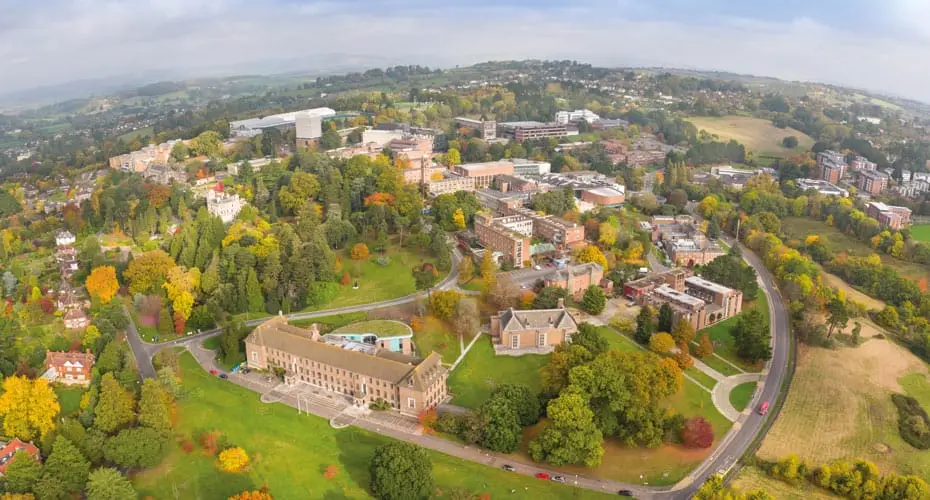
The University of Exeter is consistently ranked in the UK top 15 and global top 200 — a Russell Group institution with outstanding research, a gorgeous leafy campus, TEF Gold teaching quality, and a reputation for an exceptional student experience in the heart of Devon.

Exeter is consistently ranked in the UK top 15 — a Russell Group university with outstanding research output and TEF Gold teaching quality. Particularly celebrated for law, business, psychology, geography, and climate science. Students benefit from research-active staff, excellent facilities across two campuses, and one of the best graduate employment records in the UK.

Exeter is a vibrant, compact city with a stunning Norman cathedral, thriving independent food scene, and incredible natural surroundings — Dartmoor National Park is 30 minutes away and the stunning South Devon coast is equally close. London Paddington is just over 2 hours by direct GWR train. Bristol is 75 minutes. Cornwall is easily accessible.

With 22,000+ students from over 130 countries, Exeter has a thriving, internationally diverse student community. The Guild of Students is one of the UK's most active — with 300+ societies, outstanding sports facilities, and a social life that takes full advantage of the city's beauty. Exeter's compact size means the student community is tight-knit and easy to be part of from day one.

Exeter offers top 15 academic quality at notably lower living costs than London, Oxford, or Cambridge. Average student rent runs £600–£850/month. The university offers bursaries and scholarships for eligible students. Exeter's independent café, restaurant, and bar scene is excellent value, and the outdoors — Dartmoor, the coast, the canal — is completely free.
Discover the best areas to live based on your budget, lifestyle and university.
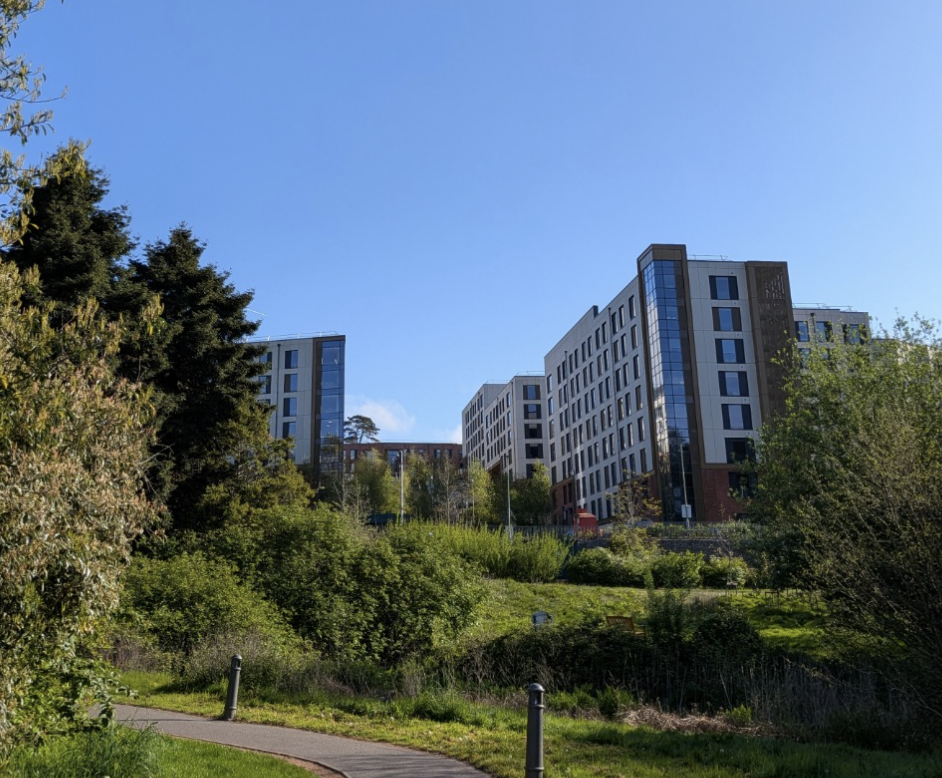
The area directly surrounding Exeter's main Streatham campus — the most popular location for students who want to roll out of bed and into lectures. St David's Hill leads straight down to the city centre and train station. Lively, convenient, and with a strong student community feel. Among the most sought-after locations for second and third years.
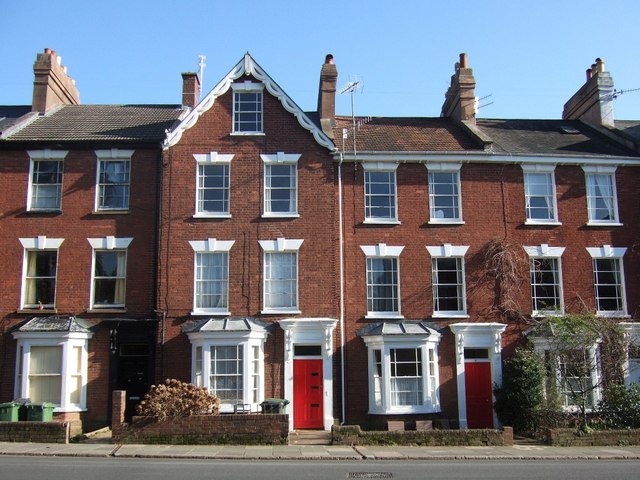
Leafy, residential streets to the north of the Streatham campus — popular with students who want a quieter atmosphere and attractive Victorian housing without being far from university. A 10–15 minute walk to campus and well-connected to the city centre by bus. Good independent cafés and a community feel that students tend to love.
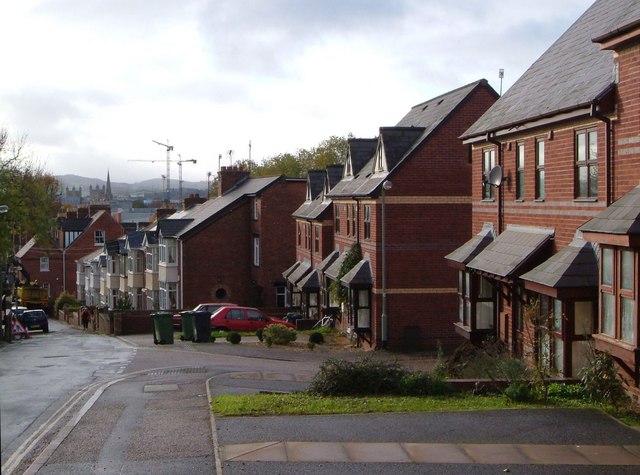
An affordable, student-friendly area east of the city centre — popular with students looking for lower rents without sacrificing good bus links to both campuses. A mix of terraced housing and some larger student houses. Increasingly popular as Streatham-adjacent areas fill up, and well-connected to both campus and the city centre.
A lively, sociable area close to the city centre — popular for students who want to be near Exeter's nightlife, restaurants, and the independent shops along Fore Street. Close to St Luke's campus and within cycling distance of Streatham. Heavitree Road has a great mix of student houses and good local amenities. Popular for big house-shares.
Everything you need to know about student accommodation in Exeter.
Secure your student accommodation using these four steps the year before moving in.
Start researching areas and viewing properties for next year. Get a feel for the market before competition heats up.
Peak house hunting season — the best properties go fast. View, decide, and secure your place early!
Last chance to secure places and sign contracts. Don't leave it any later — good options will be gone.
Finalise details, arrange deposits, and prepare to move in. Summer admin sorted before the new year starts.
The best websites and resources for finding student housing in Exeter— from official university portals to local letting agents.
Our in-depth review of the top local letting agencies in Exeter — rated for responsiveness, value, and student experience.
The official Exeter accommodation portal — covering university halls on Streatham and St Luke's campuses, and private sector guidance for returning students in St David's Hill, Pennsylvania, and Newtown.
Visit siteThe University of Exeter Students' Guild housing advice service — including vetted private landlord listings, tenancy guidance, and support for second and third year students searching for houses near both campuses.
Visit siteReputable nationwide student accommodation site with Exeter listings — great for finding shared houses near Streatham campus in Pennsylvania, St David's Hill, Newtown, and Heavitree Road.
Visit siteStudent property search across Exeter with hundreds of listings. Filter by area, price, and bedrooms to compare Pennsylvania, St David's Hill, Newtown, Polsloe, and Heavitree Road.
Visit siteSearch private rentals and shared houses across Exeter. Great for comparing prices in all student neighbourhoods — from campus-adjacent St David's Hill to the more affordable Polsloe and Newtown.
Visit siteFind individual rooms in shared houses across Exeter — ideal for joining an existing household near Streatham campus or the city centre in Pennsylvania, Newtown, or Heavitree Road.
Visit siteGet a realistic estimate of living costs in Exeter with our interactive calculator
From the best student nights out to walking routes around the town, get to know Exeter with our range of guides written by local students.
Whether your child is considering studying at Exeter or already enrolled, this guide covers costs, safety, accommodation, and what life is really like as a student at one of the UK's most beautiful and highly-ranked universities.
The University of Exeter guarantees all first-year students on-campus or managed accommodation — a significant reassurance for parents. From second year, most students move to shared houses near Streatham campus in Pennsylvania, St David's Hill, or Newtown — all within easy walking distance. The private rental market in Exeter is competitive; students should start searching from November of their first year for the following September.
Exeter offers Russell Group Top 15 quality at notably lower living costs than London, Bristol, or Brighton. Typical monthly costs run £1,050–£1,300 including rent, food, transport, and social life. Average shared house rent runs £600–£850/month — significantly cheaper than most comparable universities. The university offers bursaries and scholarships for eligible students, and the outdoors — Dartmoor, the Devon coast — is completely free.
Exeter is a prestigious Russell Group university ranked in the UK top 15 and global top 200 — with TEF Gold teaching quality, outstanding research output, and an exceptional graduate employment record. Particularly celebrated for law, business, psychology, geography, and climate science. Two campuses — Streatham and St Luke's — sit in the heart of Devon's most vibrant city.
Exeter parent information →Exeter provides comprehensive counselling, mental health advisors, financial hardship funds, disability services, and academic support. The Students' Guild is one of the UK's most active — with 300+ societies and outstanding welfare services. Exeter's compact, walkable size means support is always accessible, and the city's friendly, community-oriented character makes a genuine difference to student wellbeing.
Exeter student wellbeing →Parents are warmly welcomed at University of Exeter open days. Tour the beautiful Streatham campus and St Luke's, meet academic and welfare staff from your child's department, and see the city that students consistently describe as one of their biggest — and best — surprises. Exeter's open days are genuinely enjoyable: the campus, city, and surrounding Devon countryside make for a memorable visit.
Exeter University open days →Exeter Cathedral, the Roman walls, and the independent shops on Fore Street are all in the city centre. The Exeter Phoenix arts centre hosts free and low-cost cultural events year-round. Dartmoor National Park is 30 minutes away — extraordinary hiking at no cost. The stunning South Devon coast is similarly close. Bristol is 75 minutes for a bigger city experience; London is just 2 hours by direct train.
Exeter is consistently considered one of the safest university cities in the UK — a compact, walkable historic city with a strong community feel and a large student population that shapes its character significantly. The main student areas — Pennsylvania, St David's Hill, Newtown, and Heavitree Road — are all well-established and safe. The university has active welfare and security services, and Exeter's relatively small size means students very quickly feel at home and secure.
Typical monthly costs range from £1,050–£1,300 including rent, food, transport, and social life — making Exeter significantly cheaper than London, Bristol, or Edinburgh, while offering comparable or better academic quality. Rent averages £600–£850/month for a room in a shared house. The university offers bursaries and scholarships for eligible students. Dartmoor and the Devon coast keep outdoor activities essentially free throughout the year.
Exeter provides comprehensive counselling, mental health advisors, financial hardship funds, and academic support. The Students' Guild runs active wellbeing services and a highly regarded student advice team. The university's pastoral support system includes personal tutors and college welfare officers. Exeter's compact size and friendly culture mean problems are more likely to be caught and addressed early than at larger, more anonymous universities.
Exeter is well-connected for parent visits. London Paddington is just 2 hours by direct GWR train — with frequent services throughout the day. Bristol is 75 minutes. When you visit, Exeter itself is genuinely rewarding: the Cathedral, the independent restaurant and café scene on Fore Street, and easy day trips to Dartmoor or the South Devon coast make for excellent parent weekends. The surrounding Devon countryside is some of England's finest.
The University of Exeter welcomes parents at open days — tour the Streatham and St Luke's campuses, meet academic and welfare staff, and get honest answers about student life, fees, bursaries, graduate outcomes, and the support available in one of England's most beautiful university cities.
Everything you need to know about student life in Exeter.
Exeter offers Russell Group Top 15 quality at significantly lower living costs than London, Bristol, or Edinburgh. Total monthly costs typically run £1,050–£1,300 covering rent, food, transport, and social life. Rent averages £600–£850/month for a room in a shared house. Groceries, eating out, and entertainment are all very reasonably priced for a university city of Exeter's calibre. Dartmoor and the Devon coast are on the doorstep and completely free — a significant saving on entertainment compared to cities where every weekend costs money.
Exeter is consistently considered one of the safest university cities in the UK. It's a compact, walkable historic city with a genuine community feel — and a student population large enough to be highly visible across the city. The main student areas — Pennsylvania, St David's Hill, Newtown, and Heavitree Road — are all well-established and safe. The university has active welfare and security services across both campuses. Students from Exeter consistently describe feeling safe and at home very quickly.
Exeter has a lively, student-dominated nightlife well above what you'd expect for a city of its size. TP (Time Piece) Wednesdays are a legendary Exeter student institution. The Lemmy at the Students' Guild, the Cavern, and venues on Fore Street and the Quayside are all popular. The Guild runs regular events throughout the year. Bristol is 75 minutes by train for bigger nights out, and Exeter's own independent bar and restaurant scene — particularly around the Quay and Fore Street — is excellent for more relaxed evenings.
First-year accommodation is guaranteed by the university — no searching required. For private housing from second year, start looking in November or December of your first year. The best houses near Streatham campus — in Pennsylvania, St David's Hill, and Newtown — fill up by January. Don't leave it until after Christmas. Form your house group before the end of term one, start viewings in November, and sign by January. Exeter's market is competitive relative to its size.
University halls typically cost £600–£950/month including bills. Shared houses near Streatham campus in Pennsylvania, St David's Hill, and Newtown average £600–£850/month per person excluding bills. More affordable options in Newtown and Polsloe run £550–£700/month. Purpose-built private student accommodation in the city centre runs £750–£1,050/month with bills often included. Exeter is significantly cheaper than London, Bristol, or Edinburgh at similar academic quality — one of its strongest selling points.
The areas around Streatham campus are most popular. St David's Hill and the Streatham area itself put you on campus's doorstep — the most in-demand and first to fill. Pennsylvania and Mount Pleasant are leafy, residential, and very popular — a 10–15 minute walk to campus with a lovely community feel. Newtown and Polsloe are more affordable and practical, with good bus links. St James and Heavitree Road are great for students who want to be near the city centre and St Luke's campus.
No — Exeter is a compact, very walkable city and most students live within 15–20 minutes' walk of Streatham campus. Many students cycle too, and Exeter has reasonable cycling infrastructure. Stagecoach buses cover the wider city well for students living in Newtown, Polsloe, or further afield. A car is unnecessary for daily student life and parking in the city centre is expensive. For Dartmoor or the Devon coast at weekends, buses and trains reach many spots — though a car does open up more of Devon.
Exeter is well-connected by GWR rail. London Paddington is just over 2 hours by direct train — with very regular services. Bristol Temple Meads is 75 minutes. Plymouth is 60 minutes. Bath is around 90 minutes. Penzance and Cornwall are accessible too. With a 16–25 Railcard, fares drop significantly. National Express coaches provide budget options to London and Bristol. Exeter Airport has some UK and European connections, and Bristol Airport is 90 minutes by road for wider international flights.
Within Exeter, Stagecoach buses provide good city-wide coverage — particularly useful for students in Newtown, Polsloe, and Heavitree Road who are further from Streatham campus. The university also runs a frequent inter-campus bus between Streatham and St Luke's. Most students near campus simply walk — the distances are very manageable. Exeter St David's and Exeter Central train stations provide frequent direct services to London, Bristol, Plymouth, and the South West.
Yes — your NUS/TOTUM card gets discounts across Exeter's shops, cafés, and restaurants. A 16–25 Railcard saves a third on GWR fares including the London and Bristol services. The Students' Guild runs heavily subsidised events and the Lemmy bar is excellent value. Exeter Phoenix offers student-priced tickets for arts events. Dartmoor, the Devon coast, and the Cathedral Green are free. Exeter's independent food and café scene is notably good value compared to London or Bristol equivalents.
Exeter has a solid part-time job market — hospitality, retail, and bar work in the city centre and Quayside area, campus roles through the university's careers service, and event and tourism work around the Cathedral and Exeter's busy visitor economy. The Students' Guild also offers paid student staff roles. Bristol — 75 minutes by train — significantly expands the part-time job market for students willing to commute occasionally. The university careers service is active and well-regarded for finding flexible work.
Exeter is exceptional for the outdoors and culture. Dartmoor National Park is 30 minutes away — some of England's finest hiking, cycling, and wild swimming. The South Devon coast is equally close. Exeter Cathedral and the Roman city walls are right in the centre. The Exeter Phoenix arts centre hosts theatre, cinema, and live music. 300+ student societies cover everything imaginable. Bristol is 75 minutes for world-class culture and nightlife. Cornwall and the Jurassic Coast are easily reachable for memorable weekends.
For the right student, Exeter is one of the UK's best-kept secrets. It combines Russell Group Top 15 academic quality with a genuinely beautiful, safe, and affordable city, extraordinary natural surroundings, and London just two hours away. Students who choose Exeter for the academics often find they love the city even more than the university — the combination of a vibrant student community, stunning Devon countryside, and a city with real character makes it surprisingly hard to leave.
The University of Exeter is ranked in the UK top 15 and global top 200 — a Russell Group institution with TEF Gold teaching quality and outstanding research output. It is particularly celebrated for law, business (University of Exeter Business School), psychology, geography, climate science, and English literature. Exeter has produced notable alumni across law, politics, journalism, and the arts, and is consistently among the UK's top universities for graduate employment rates.
Yes — Exeter is one of the UK's finest universities by any measure. Its Russell Group membership, top 15 UK ranking, and TEF Gold teaching quality reflect consistently outstanding academic standards. Graduate employment rates are among the UK's highest. The campus facilities are excellent across both Streatham and St Luke's. Employers consistently rate Exeter graduates highly, and the university's reputation has risen significantly over the past two decades — it is now firmly in the UK's top tier.
Exeter is a competitive, selective university. Most courses require ABB–AAA at A-Level, with the most popular and prestigious courses — Law, Medicine, and Psychology — typically requiring AAA or A*AA. Business School programmes are competitive at AAB–AAA. Contextual offers are available for eligible applicants. Exeter holds open days where direct admissions guidance is available from subject departments — well worth attending before applying for a competitive course.
| Cookie | Duration | Description |
|---|---|---|
| cookielawinfo-checkbox-analytics | 11 months | This cookie is set by GDPR Cookie Consent plugin. The cookie is used to store the user consent for the cookies in the category "Analytics". |
| cookielawinfo-checkbox-functional | 11 months | The cookie is set by GDPR cookie consent to record the user consent for the cookies in the category "Functional". |
| cookielawinfo-checkbox-necessary | 11 months | This cookie is set by GDPR Cookie Consent plugin. The cookies is used to store the user consent for the cookies in the category "Necessary". |
| cookielawinfo-checkbox-others | 11 months | This cookie is set by GDPR Cookie Consent plugin. The cookie is used to store the user consent for the cookies in the category "Other. |
| cookielawinfo-checkbox-performance | 11 months | This cookie is set by GDPR Cookie Consent plugin. The cookie is used to store the user consent for the cookies in the category "Performance". |
| viewed_cookie_policy | 11 months | The cookie is set by the GDPR Cookie Consent plugin and is used to store whether or not user has consented to the use of cookies. It does not store any personal data. |