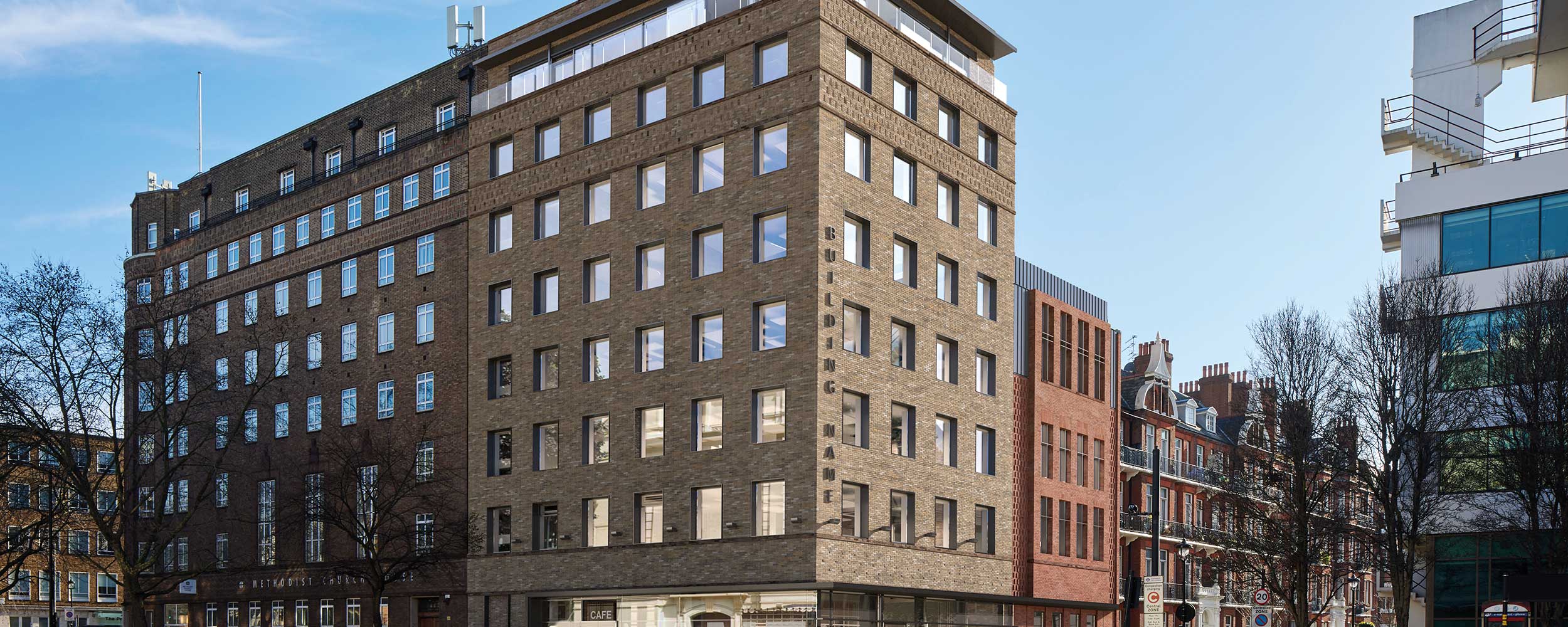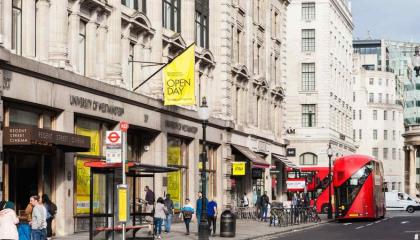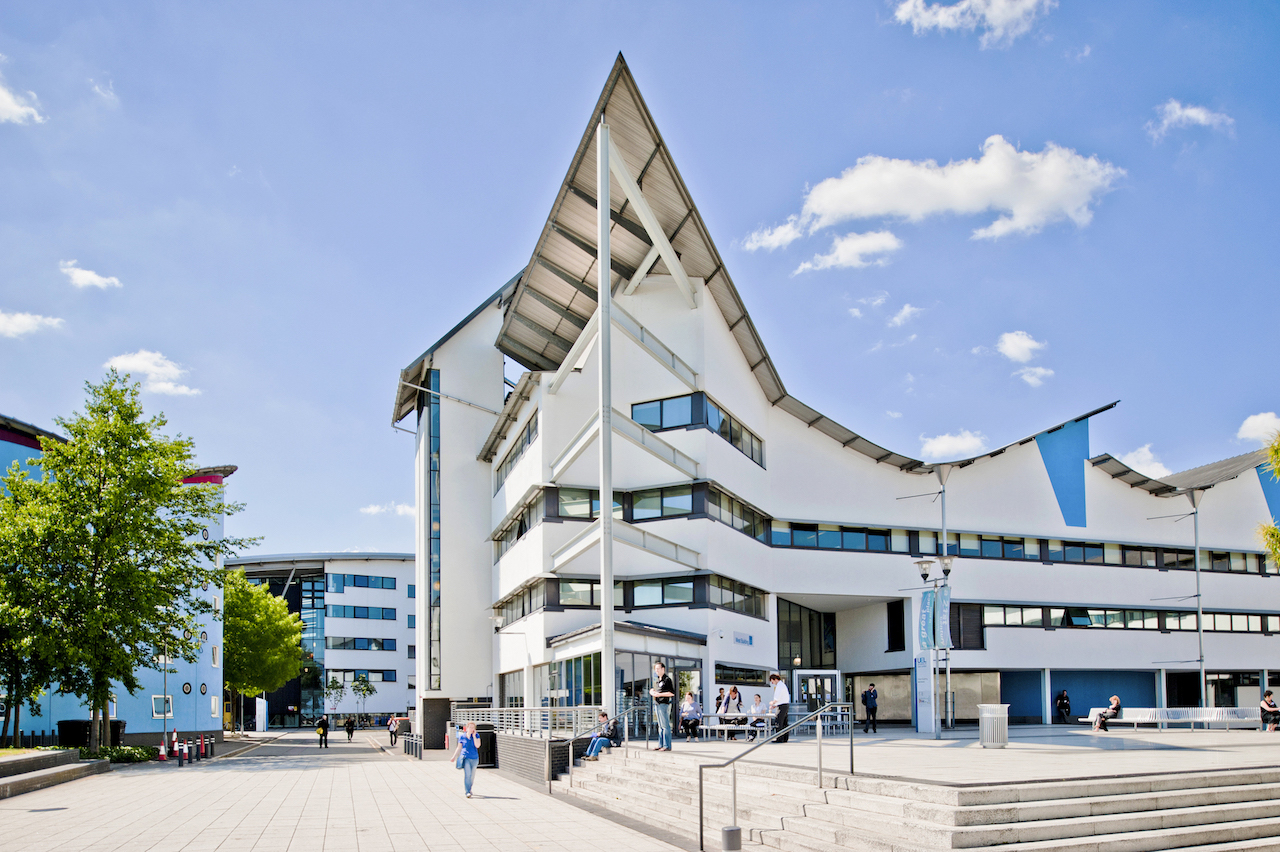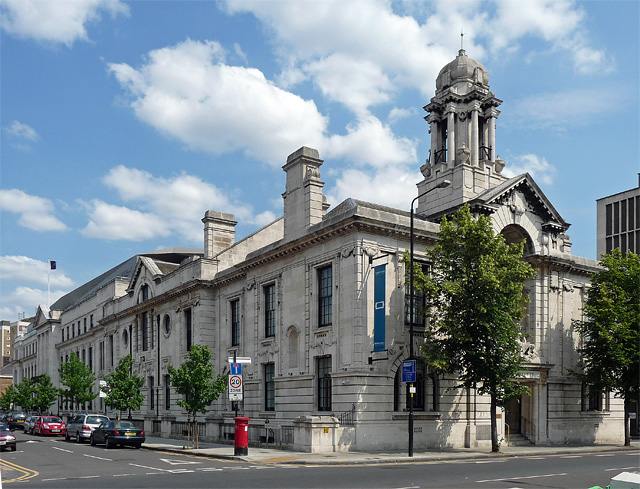
London is home to around 40 prestigious institutions offering exceptional education and student experiences. Explore some of the most popular below.
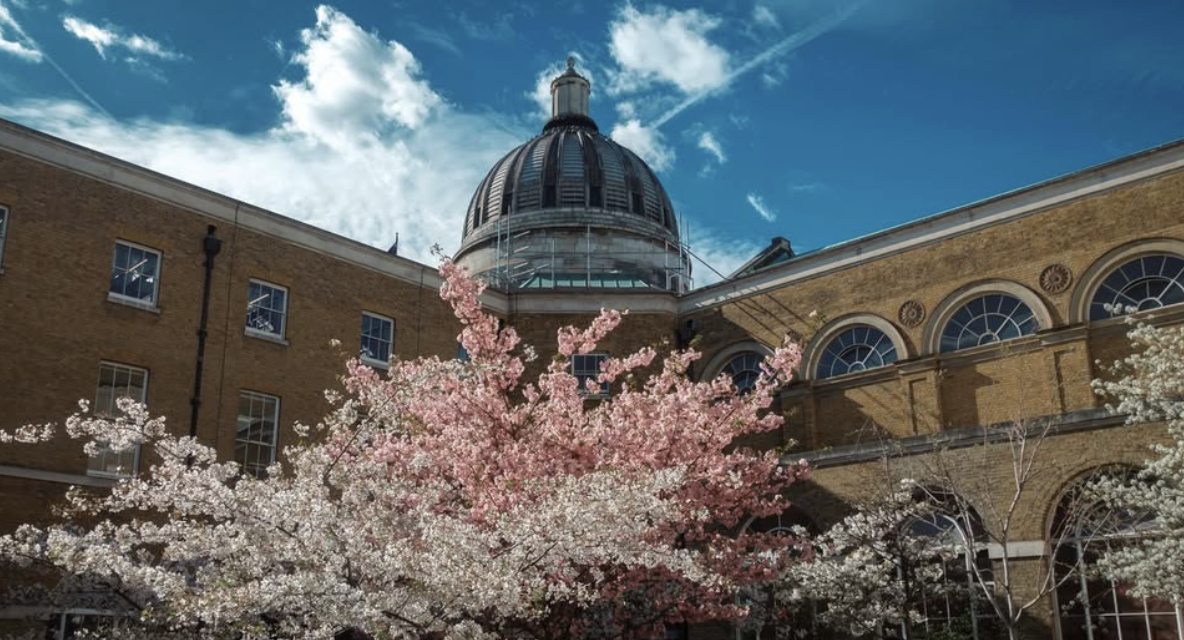
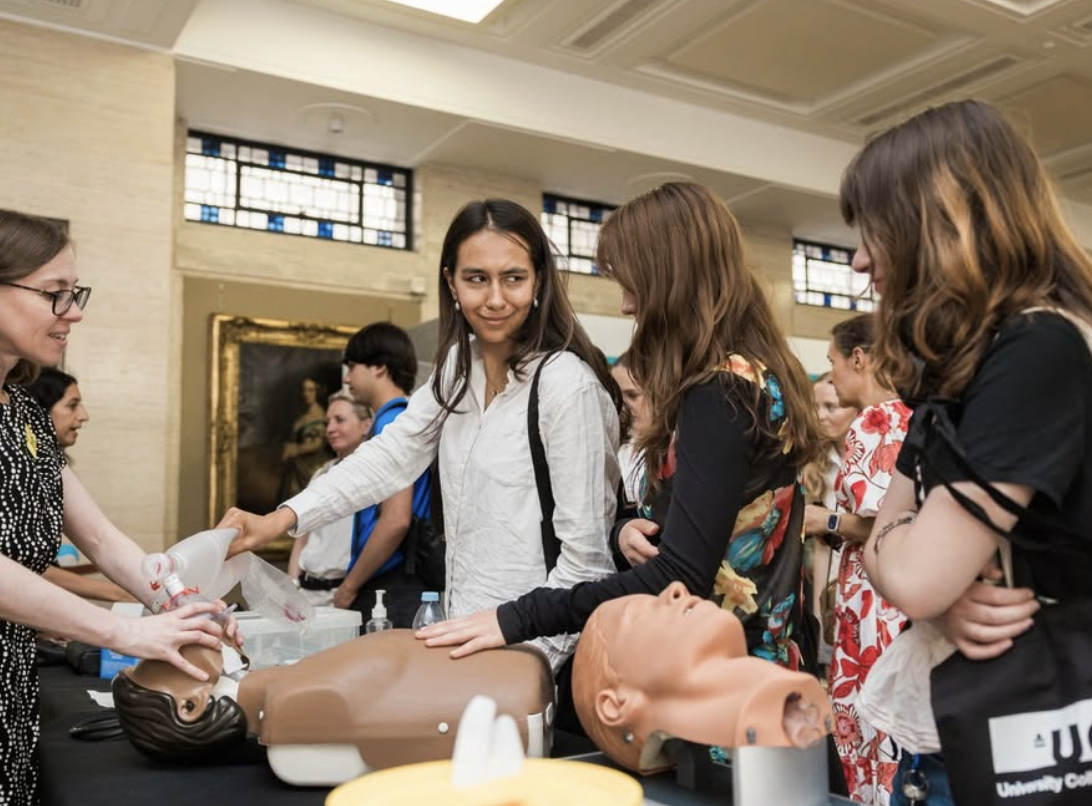
UCL is consistently ranked in the global top 10 — a world-class, research-intensive Russell Group university founded in 1826, celebrated for medicine, law, engineering, architecture, arts and sciences. The first UK university to welcome students regardless of gender or religion, UCL's progressive, interdisciplinary culture continues to define it.

UCL is among the world's great research universities — consistently top 10 globally, with Nobel Prize winners on faculty and alumni including Alexander Graham Bell, Mahatma Gandhi, and Ricky Gervais. Particularly celebrated for medicine, law, engineering, architecture, economics, and neuroscience. Research-led teaching means students work alongside staff at the absolute frontier of their disciplines.
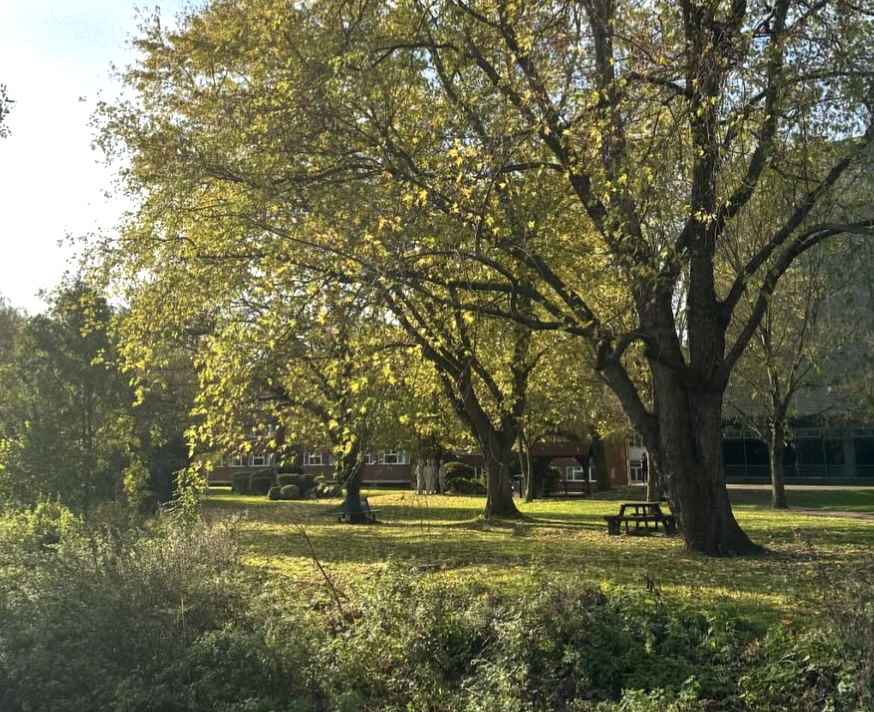

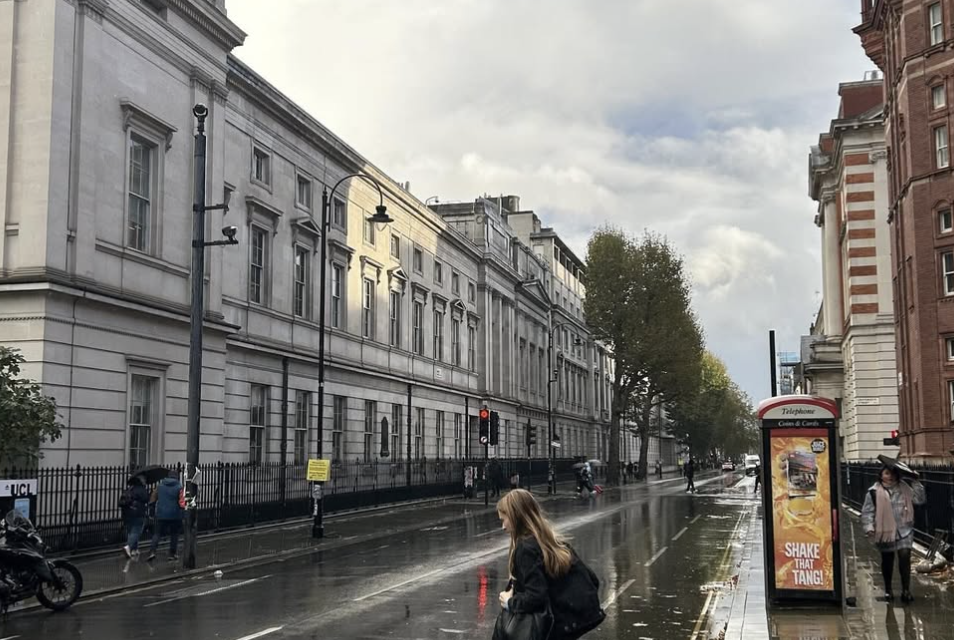
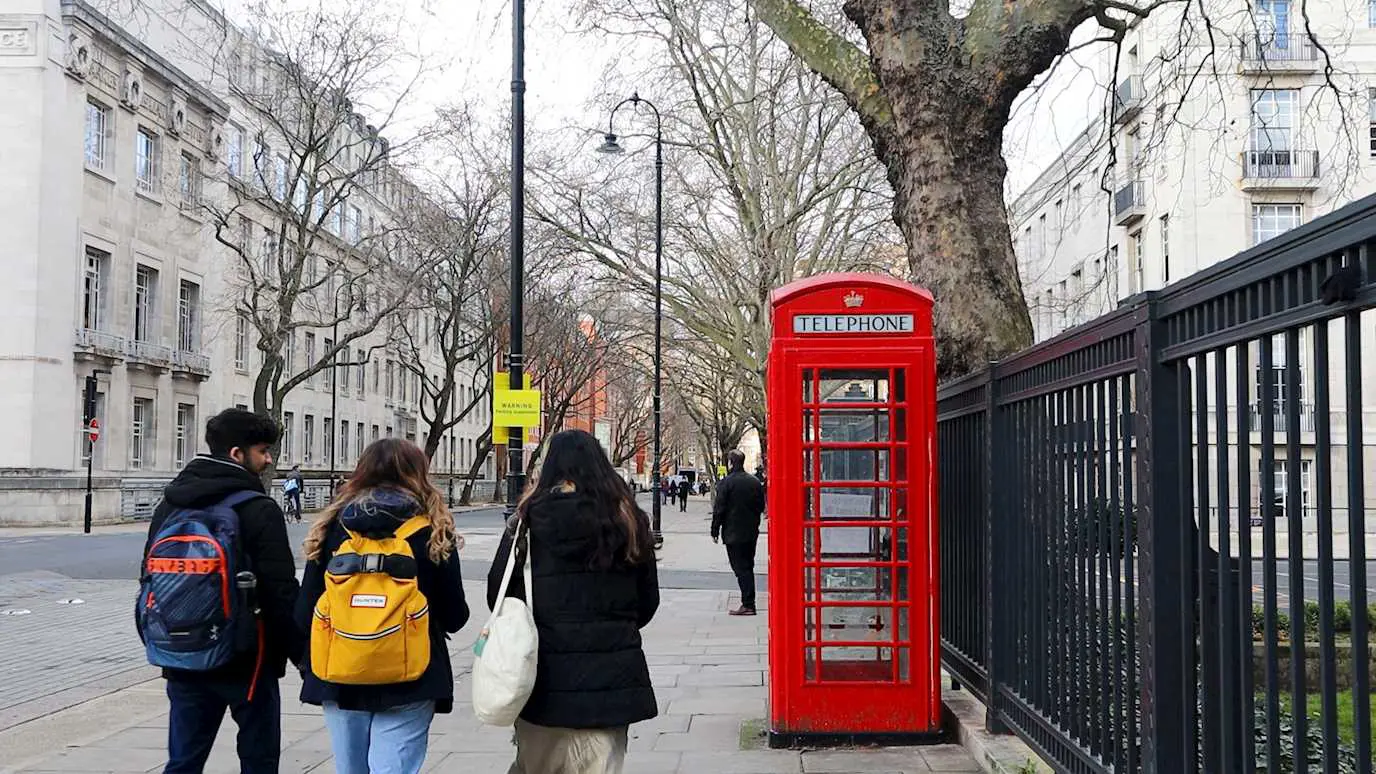
UCL's main campus in Bloomsbury puts students at the centre of London — the British Museum is next door, the West End is a 10-minute walk, and the city's extraordinary cultural, professional, and social life is immediately accessible. The Tube, Overground, and Elizabeth line connect everywhere in minutes. London's 200+ universities, research institutes, and global employers create the most concentrated opportunity environment in the world.

With 42,000+ students from over 150 countries, UCL is one of the most internationally diverse universities in the world. The Students' Union is exceptionally active — with 250+ clubs and societies. UCL's ethos of radical openness and academic freedom creates a genuinely extraordinary community of students from every background, discipline, and country on earth.

London is expensive — typical monthly costs run £1,500–£2,200 including rent, food, and social life. Rent averages £900–£1,400/month. However, London's extraordinary part-time job market, the highest graduate salaries in the UK, and the density of bursaries and scholarships available at UCL and across London means the investment is genuinely different in kind. UCL offers generous bursary support for eligible students.
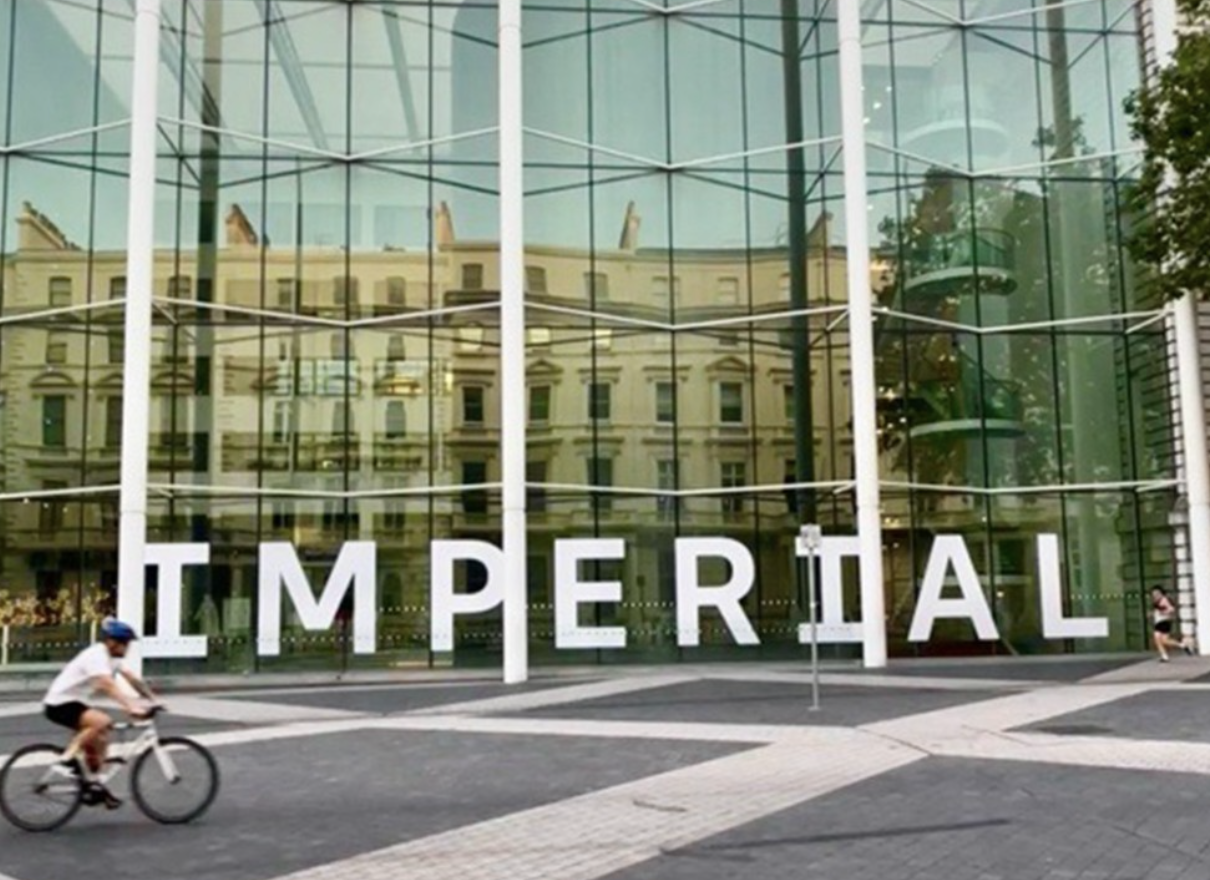
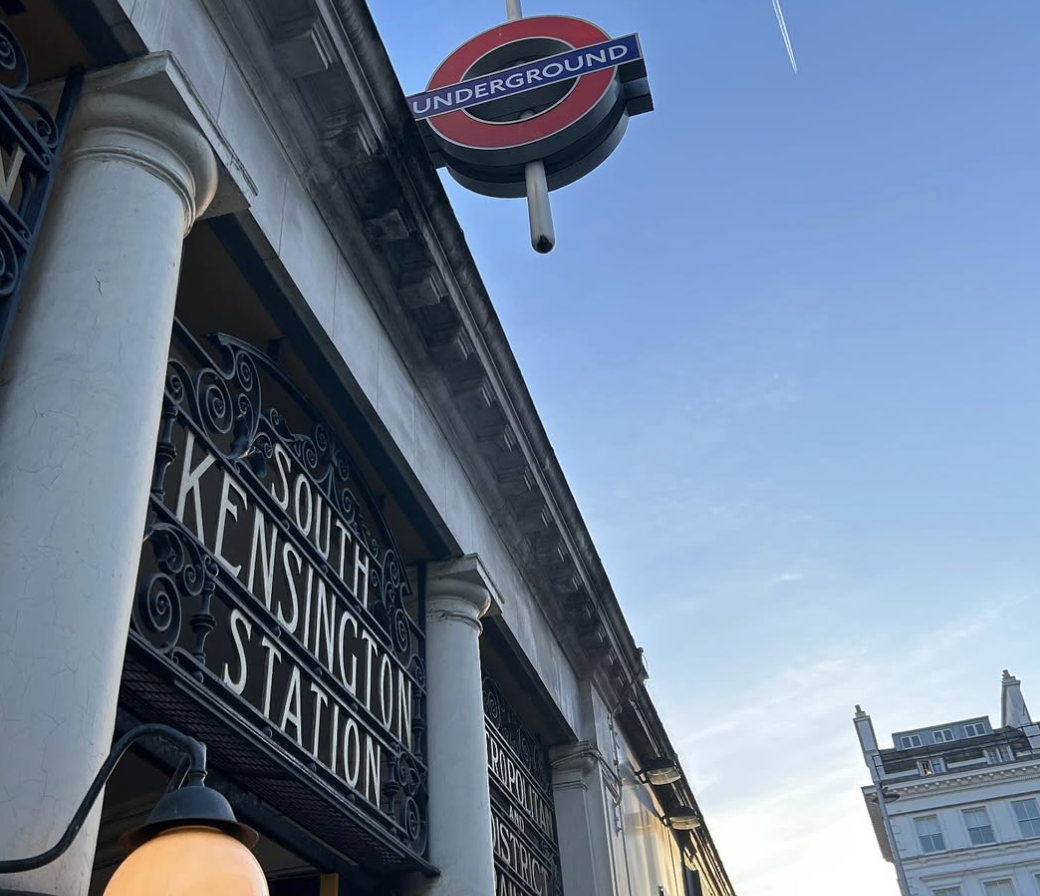
Imperial College London is consistently ranked in the global top 10 — the UK's leading specialist science, technology, engineering, medicine, and business university. Set in South Kensington alongside the Natural History Museum and V&A, Imperial combines world-leading research with extraordinary industry connections and graduate outcomes.

Imperial is consistently ranked in the global top 10 — the definitive destination for science, technology, engineering, medicine, and business at the highest level. 15 Nobel Prize winners among alumni and faculty. Extraordinary industry links across tech, pharma, finance, and engineering. Graduate outcomes are among the highest of any university in the world — Imperial graduates are among the most employable on earth.

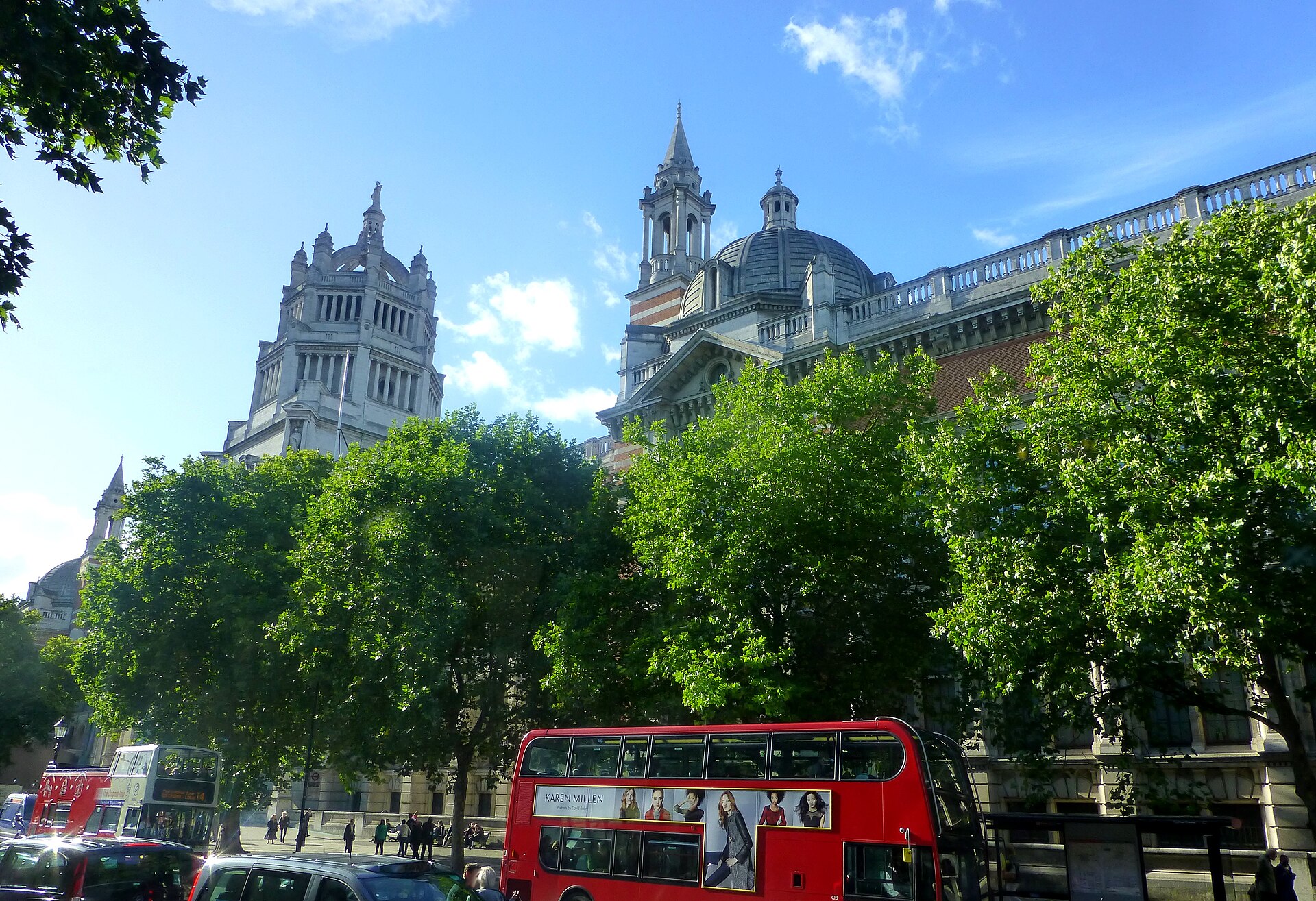
Imperial's main campus in South Kensington sits alongside the Natural History Museum, Science Museum, V&A, and Royal Albert Hall. Hyde Park is minutes away. The West End and central London are easily accessible by Tube. Imperial's White City innovation campus is an emerging technology hub. The combination of one of the world's most beautiful campus locations and London's extraordinary opportunities is genuinely unmatched.

With 18,000+ students from over 140 countries, Imperial has a uniquely focused, ambitious community — the sharpest STEM minds from across the world, united by a shared passion for science and engineering. The workload is genuinely demanding but the peer environment is extraordinary. The Imperial College Union is active, and the wider London student scene provides balance and social life in abundance.

London is expensive. Typical monthly costs run £1,500–£2,200. Rent averages £900–£1,400/month. However, Imperial graduates consistently achieve the highest starting salaries of any UK university graduates — and London's part-time tech and finance sector provides excellent earning opportunities during study. Imperial offers bursaries for eligible students, and the return on investment is among the highest of any degree anywhere.
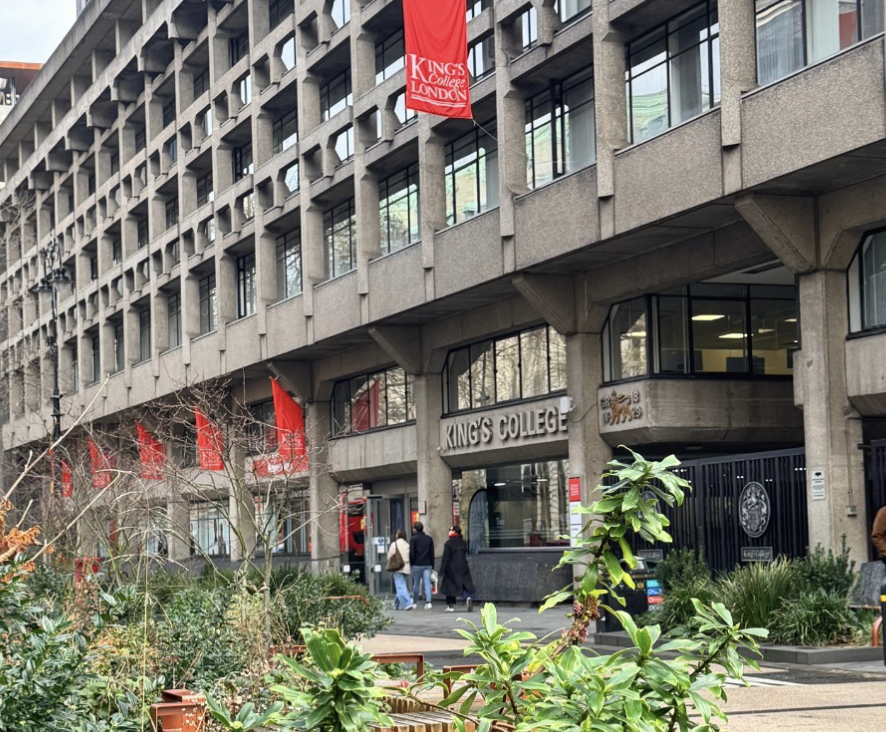
King's College London is consistently ranked in the world's top 30 — a Russell Group institution founded in 1829 with exceptional strength in medicine, law, nursing, dentistry, humanities, and social science, spread across five campuses along the South Bank and in Denmark Hill.

KCL is ranked in the world's top 30 — a Russell Group institution with outstanding strength across medicine, law, nursing, dentistry, English, war studies, and social science. The Florence Nightingale Faculty of Nursing is the UK's finest. KCL's five London hospitals give medicine and nursing students unparalleled clinical training. 12 Nobel Prize winners among alumni. Particularly strong for anyone considering healthcare, law, or humanities careers.

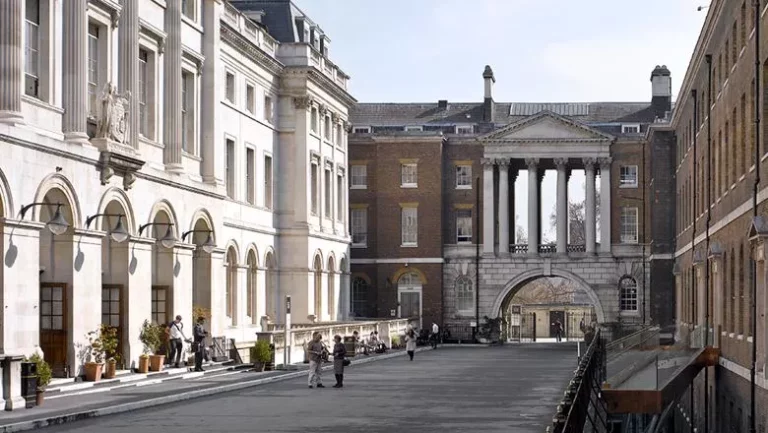
KCL's Strand and Waterloo campuses sit right on the South Bank — with views of the Thames, the Houses of Parliament, and some of the most spectacular urban scenery in the world. The Tate Modern, National Theatre, and Southbank Centre are on the doorstep. Multiple campuses give KCL students access to virtually every part of central London within minutes.

With 35,000+ students from 150+ countries across five campuses, KCL has one of London's richest and most diverse student communities. The Students' Union is very active. KCL's multi-campus, multi-discipline nature creates an unusually wide social world — students from medicine, law, humanities, and science mix across the city. The wider London student ecosystem adds a further extraordinary layer.

London is expensive — typical monthly costs run £1,500–£2,200. Rent averages £900–£1,400/month near KCL's central campuses. However, KCL's location in central London means the city's exceptional part-time job market, internship opportunities, and eventual graduate salary premium are all immediately accessible. KCL offers bursaries and scholarships for eligible students.
The London School of Economics and Political Science is consistently ranked the world's leading specialist social science university — an institution of extraordinary global prestige, with alumni including 18 current or former world leaders and 37 Nobel Prize winners, at the very centre of London's political and financial world.

LSE is the world's foremost specialist social science university — a compact, intensely academic institution of extraordinary global prestige. 37 Nobel Prize winners and 18 world leaders among alumni. Faculty are policymakers, central bankers, and global thought leaders as well as academics. The concentration of intellectual firepower at LSE — and its access to London's political, financial, and international institutions — is simply unmatched anywhere on earth.

LSE's compact campus sits between Aldwych and the Strand — steps from the Royal Courts of Justice, the City of London, Westminster, and Fleet Street. For students studying economics, law, politics, or finance, LSE's location is not just convenient but genuinely integral to the education: the institutions students study are the ones you can walk to. The world's financial capital, legal centre, and political hub are all within minutes.

With 12,000+ students from 155 countries, LSE is among the most internationally diverse universities in the world — and the most politically engaged. Over 70% of LSE students are international. The Students' Union is active and politically alive. The network built at LSE — among future politicians, economists, lawyers, and financiers from across the globe — is one of the most valuable in the world.

London is expensive — typical costs run £1,500–£2,200/month. However, LSE graduates consistently achieve the highest graduate salaries in economics, finance, and law of any UK university — and the LSE network opens doors that simply do not open from anywhere else. LSE offers means-tested bursaries and an active hardship fund. For the right student, LSE is the single highest-value academic investment in the UK.
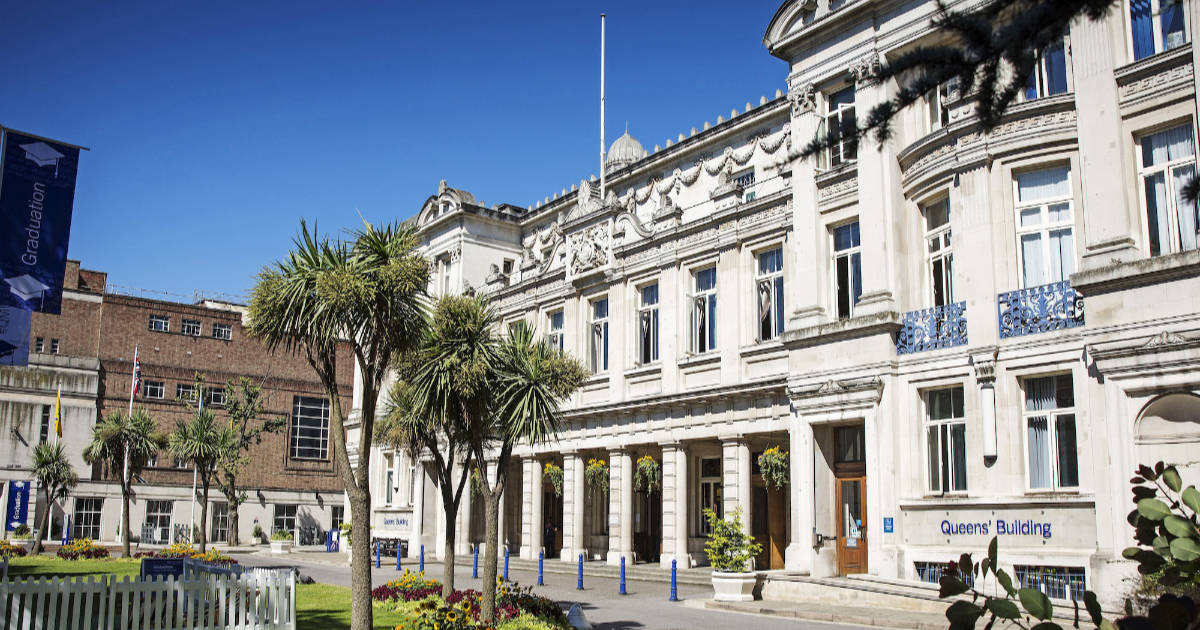
Queen Mary University of London is a Russell Group institution ranked in the UK top 20 — with a self-contained, campus-like Mile End base in East London, outstanding strength in medicine, dentistry, law, English, history, and science, and a genuinely diverse and welcoming student community.

QMUL is a Russell Group institution ranked in the UK top 20 — with world-class strength in medicine, dentistry, law, English literature, history, and economics. The Barts and The London School of Medicine is one of the UK's oldest and most prestigious. QMUL's research impact in humanities is internationally recognised. Strong industry links and excellent graduate employment rates make it an outstanding research-led choice.

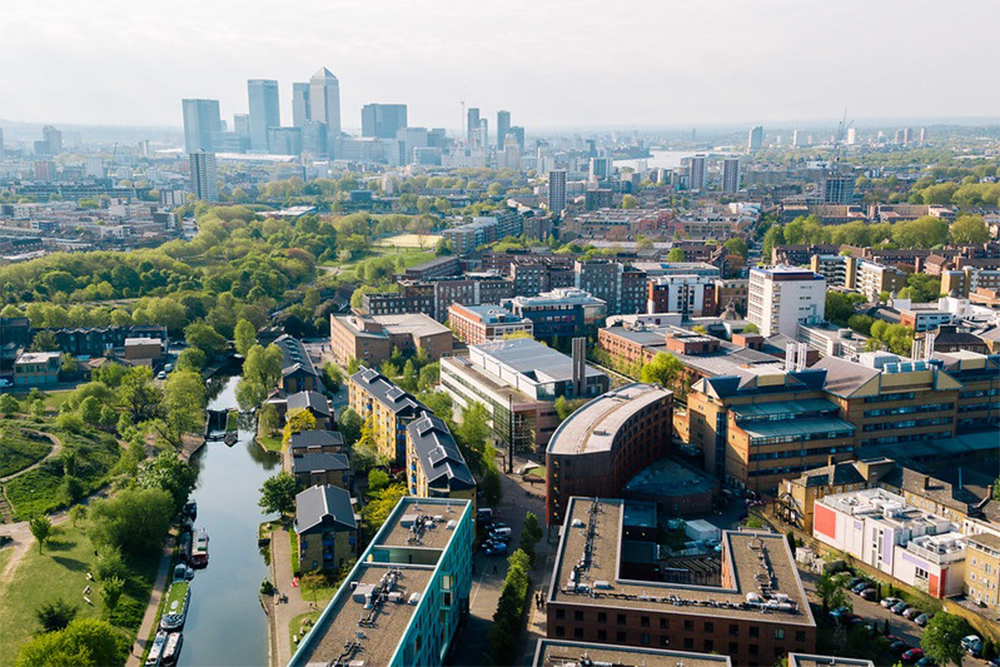
QMUL's Mile End campus has a unique self-contained feel rare in London — a genuine campus with green spaces, student accommodation, and facilities all in one place. East London is London's fastest-evolving area — Shoreditch, Hackney, Stratford, and the Olympic Park are all nearby. The Tube puts central London 15–20 minutes away. Rent in East London is significantly lower than central or West London.

With 28,000+ students from 160+ countries, QMUL is among the most internationally diverse Russell Group universities — and consistently rated one of the most inclusive. Its campus community is unusually cohesive for London. The Students' Union is very active. East London's creative, tech, and arts scene creates an extraordinary backdrop for student life outside the university gates.

East London offers significantly lower rents than Central or West London — a genuine advantage for QMUL students. Typical rents in Bethnal Green, Bow, and Stratford run £800–£1,100/month — lower than most other Russell Group London universities. QMUL offers strong bursary support. The combination of Russell Group quality, excellent location, and more affordable costs makes QMUL outstanding value.
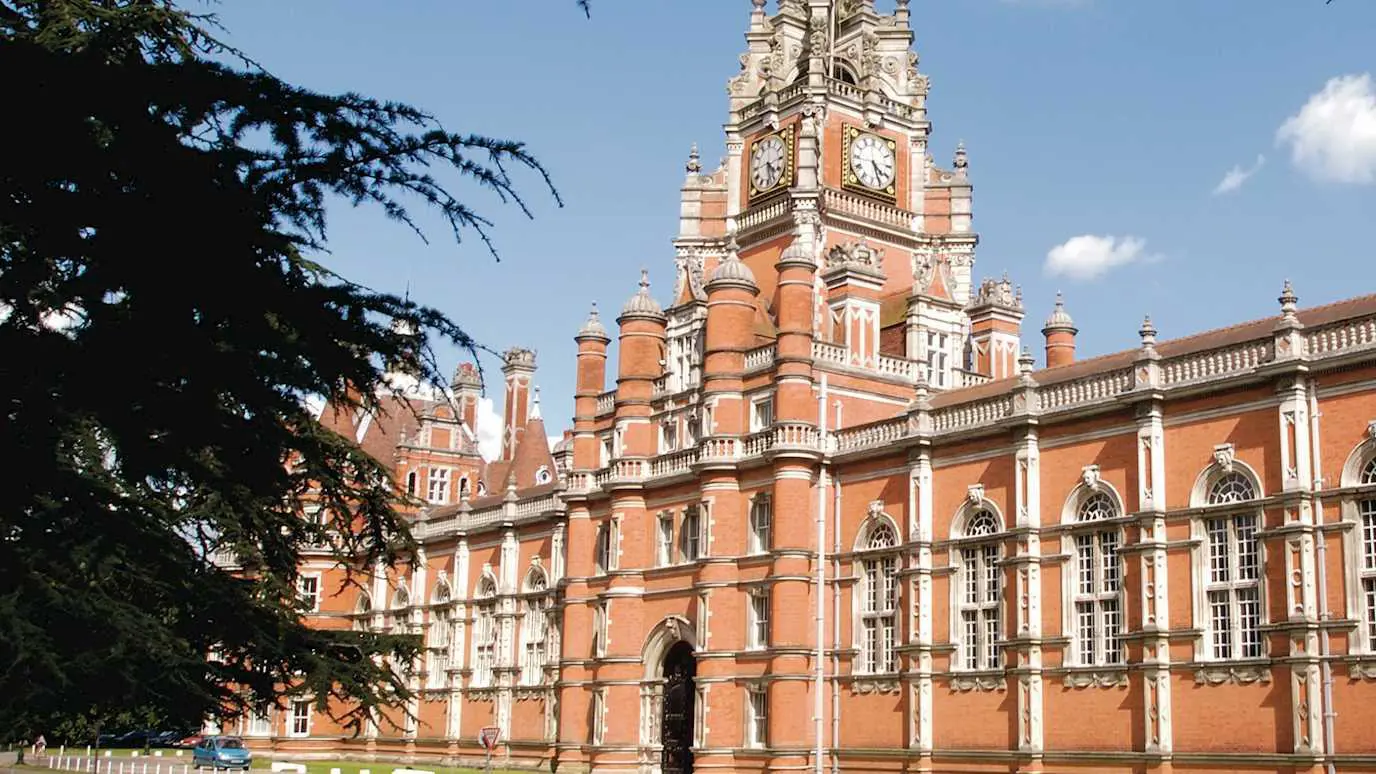
Royal Holloway is ranked in the UK top 25 — a research university of the University of London with a spectacular Victorian Gothic campus in Egham, Surrey, outstanding strength in music, drama, psychology, geography, English, and physics, and a campus feel completely different from urban London universities.

Royal Holloway is ranked in the UK top 25 with strong research output across music, drama, psychology, geography, English, and physics. The music and drama departments are among the UK's finest — regularly producing alumni across opera, theatre, and the performing arts. Psychology and geography are particularly strong, and the university's research in information security is world-class.

Royal Holloway's campus in Egham is one of the most beautiful in the UK — a spectacular Victorian Gothic building set in parkland on the edge of Surrey. Windsor Great Park and the Thames Valley are on the doorstep. London Waterloo is 40 minutes by direct South Western Railway. Students get a genuine campus university experience — unusual for a London university — while keeping the city fully accessible.

With 11,000+ students from over 130 countries, Royal Holloway is small enough for a genuinely personal campus community — staff and students know each other, and the university has a warm, arts-influenced character. The Students' Union runs a packed social programme. The campus's self-contained nature creates the kind of tight community that London's more urban universities can't replicate.

Egham's rents are significantly lower than central London — shared houses average £650–£900/month, making Royal Holloway substantially more affordable than UCL, KCL, or LSE for equivalent quality. London is 40 minutes away for work and entertainment. The combination of top 25 UK quality, a stunning campus, and much more manageable living costs makes Royal Holloway genuinely outstanding value.
City St George's University of London holds TEF Gold and is ranked in the UK top 30 — a career-focused research university in the heart of the City of London with outstanding programmes in business, law, journalism, optometry, and health sciences, with unparalleled industry connections across finance, media, and healthcare.

City holds TEF Gold — reflecting outstanding teaching quality and graduate employment outcomes. Particularly celebrated for Cass Business School (finance and business), the City Law School, the graduate journalism programme, optometry, and health sciences. Industry connections are exceptional: the university's location in the City of London means practitioner-taught courses, live case studies, and internship pipelines that few UK universities can match.

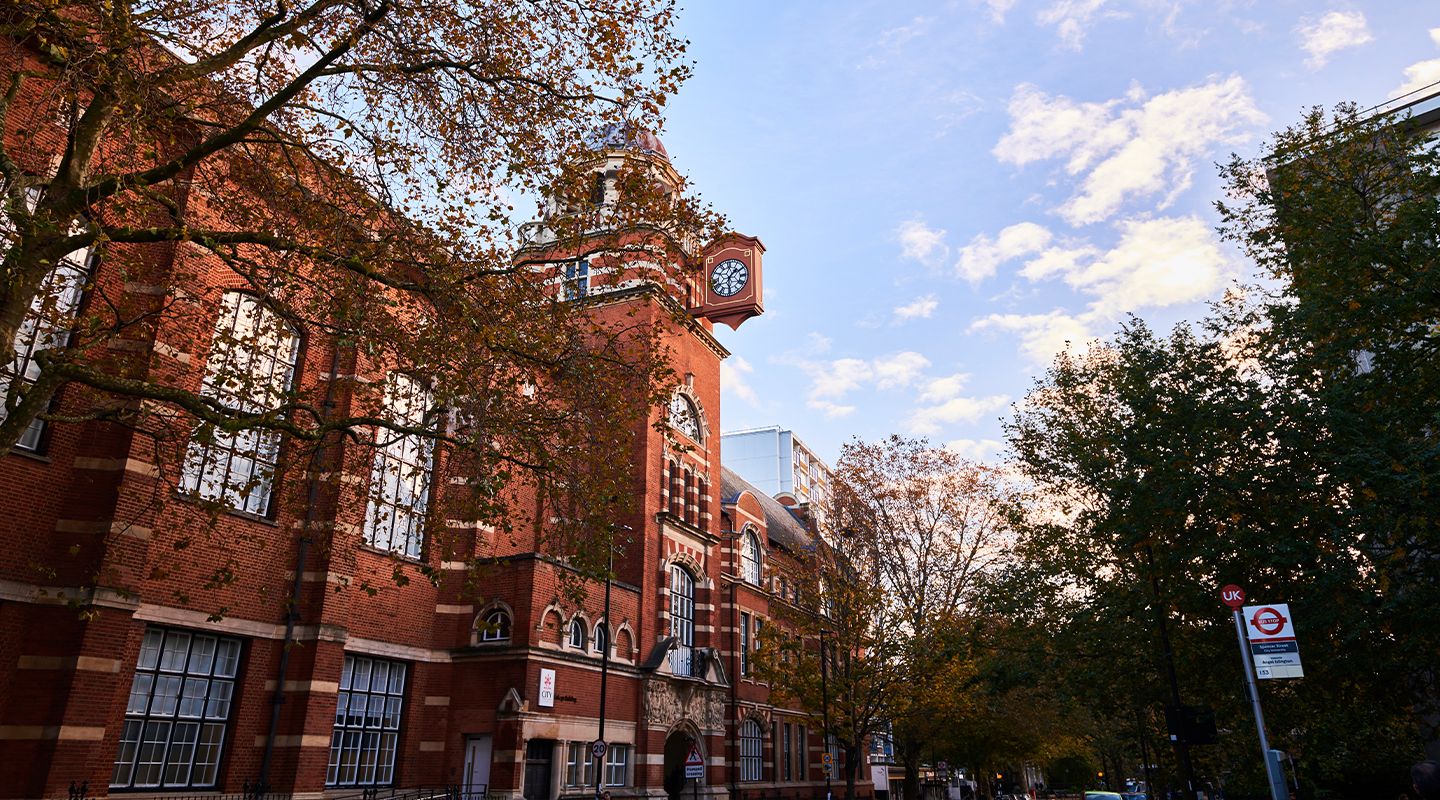
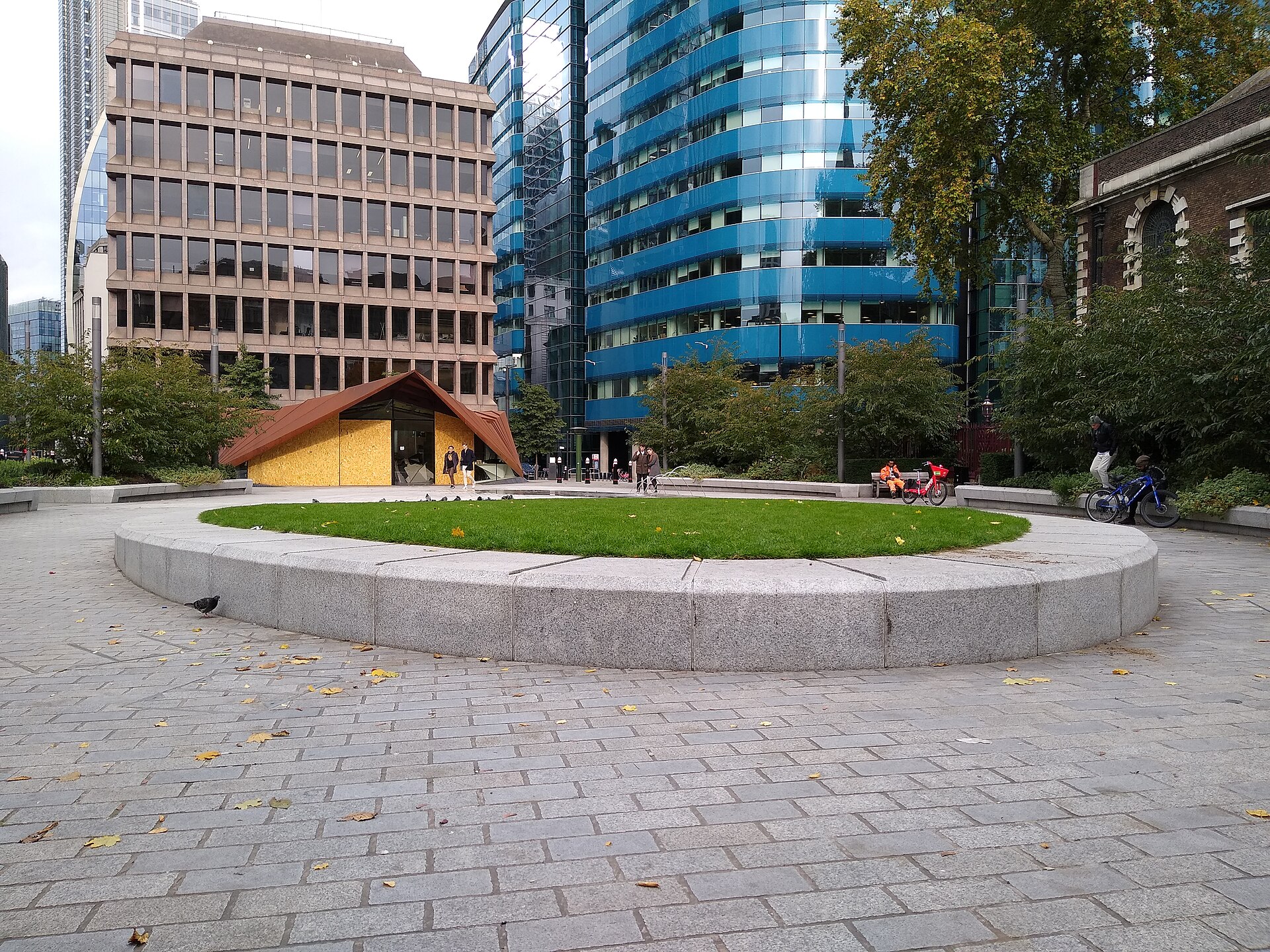
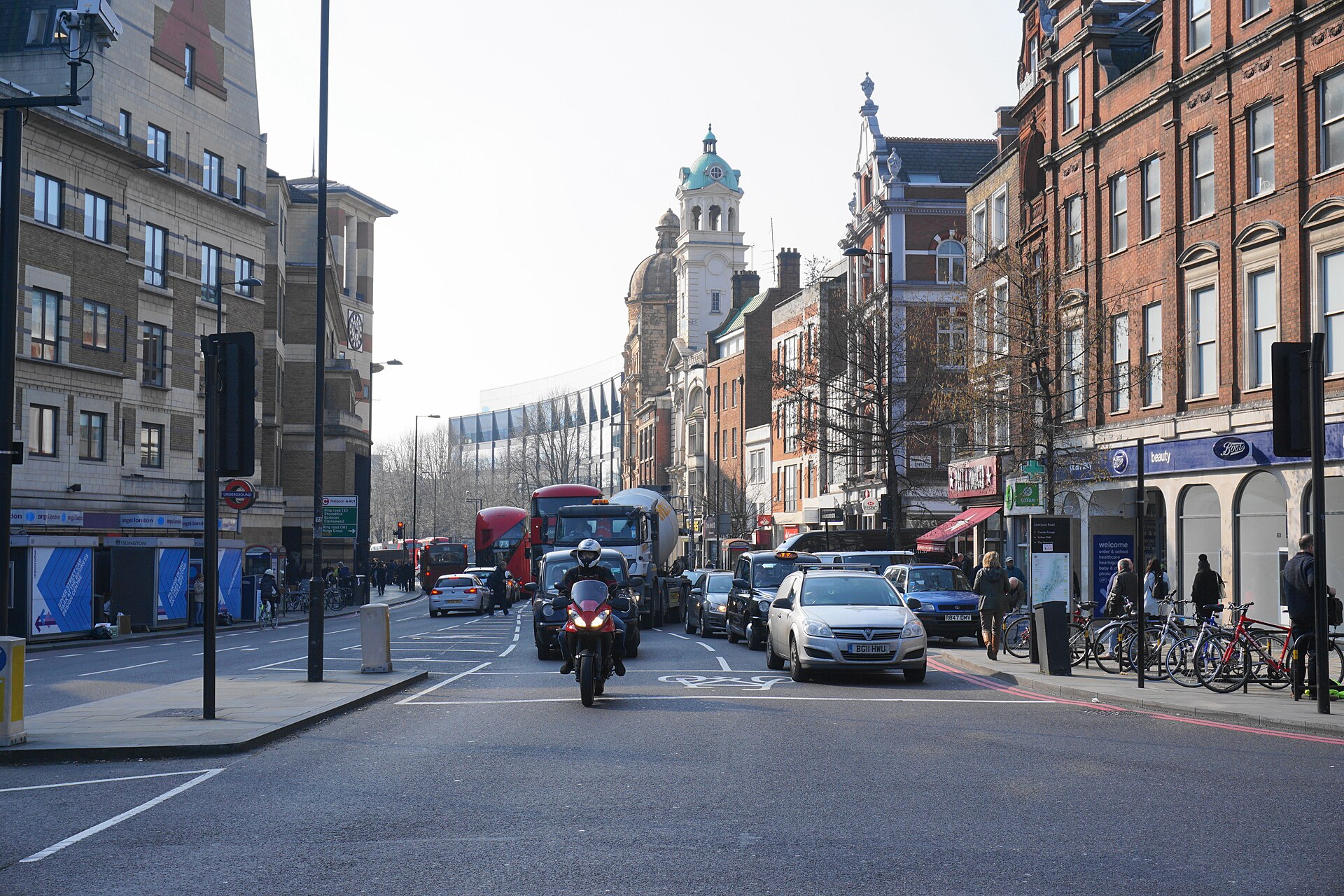
City's Islington campus sits on the edge of the City of London — with Canary Wharf, the financial district, Fleet Street, and the Royal Courts of Justice all within walking distance or a short Tube ride. For students studying finance, law, journalism, or health, the institutional context is extraordinary: you're studying business at the world's financial centre, or law a five-minute walk from the High Court.

With 20,000+ students from 160 countries, City has a diverse, professionally ambitious community. Students tend to arrive highly motivated and career-focused — the university's culture reflects this. The Students' Union is active. Islington and Angel are wonderful parts of London for social life — independent restaurants, bars, and easy Tube access to anywhere in the city.

Islington and Angel offer somewhat lower rents than the West End or South Bank — shared rooms average £850–£1,150/month — while still giving immediate access to the City of London and central London. City's TEF Gold graduate employment rates mean the investment is well-justified. Bursaries and scholarships are available for eligible students.
Brunel University London holds TEF Silver and is ranked in the UK top 40 — a campus university in Uxbridge, West London, renowned for sport science, engineering, design, film, and business, with a genuine campus feel, strong industry partnerships, and London accessible by Tube on the Piccadilly line.

Brunel holds TEF Silver and is consistently strong in sport science, engineering, design, film production, and business. Its sport science facilities are world-class. Film and TV production has an excellent industry reputation. Work placements are built into most courses — Brunel's industry connections are exceptionally strong, and year-in-industry programmes are among the best supported in the UK.

Brunel's self-contained Uxbridge campus offers a rare genuine campus experience within the London transport network — the Piccadilly line takes students to central London in around 40 minutes. Heathrow Airport is 10 minutes away — ideal for international students. The campus has extensive green space, accommodation, sports facilities, and student services all in one place, unlike most London universities.

With 14,000+ students from 100+ countries, Brunel has a genuinely international and diverse community. The campus feel creates a tighter-knit social environment than most London universities. The Students' Union is active. Brunel's sport and creative communities are particularly strong — and London's full cultural offer is 40 minutes away on the Tube.

Uxbridge rents are significantly lower than central London — shared rooms average £650–£900/month. Campus accommodation is also available and reasonably priced. London's broader opportunities are 40 minutes away. For students wanting a genuine campus experience and access to London without central London's premium, Brunel offers outstanding value. Bursaries are available for eligible students.
The University of Westminster holds TEF Silver — a career-focused modern university with campuses in Central London, renowned for fashion, film and media studies, business, law, architecture, and communications, with some of the most accessible locations of any London university.

Westminster holds TEF Silver with strong industry connections across fashion, film and TV production, business, communications, and architecture. The fashion programme is one of the UK's most industry-connected — producing graduates at London Fashion Week-level brands. Film and media have an excellent industry reputation. Business and law are practical and career-focused with strong employment outcomes.

Westminster's main campuses on Regent Street and in Marylebone put students at the very centre of London — Oxford Circus, the West End, Soho, and the city's fashion, media, and creative industries are all within minutes. Few universities in the world offer such immediate immersion in the professional industries that students are studying. London's Tube network connects everywhere else instantly.

With 20,000+ students from 170 countries, Westminster is one of the most internationally diverse universities in London. Its creative and professional focus attracts ambitious, industry-oriented students from across the world. The Students' Union is active. Westminster's central location means students are immediately embedded in London's creative scene — fashion, film, media, and music are all accessible from day one.

Westminster's Marylebone and Regent Street locations mean rents nearby are high — £900–£1,300/month — though students often choose slightly further afield for better value. Westminster offers competitive tuition fees relative to other London universities, strong bursaries and hardship funds, and excellent access to London's part-time job market in fashion, media, and creative industries.
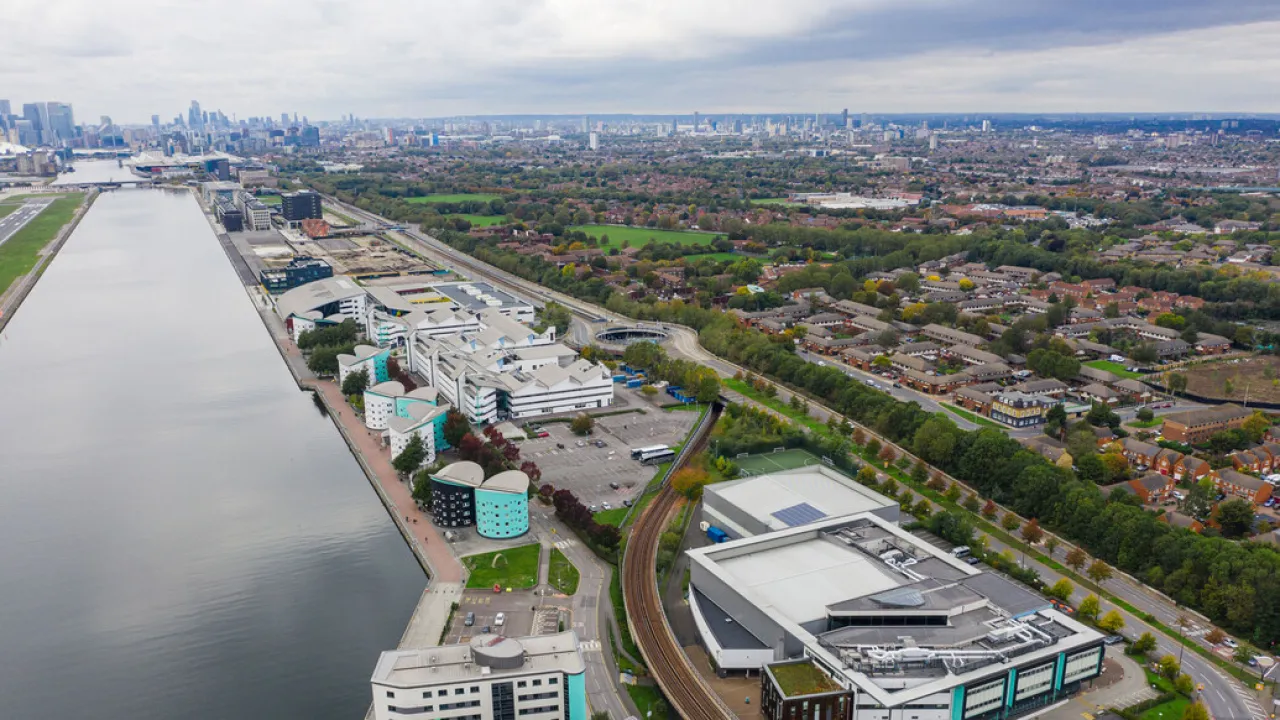
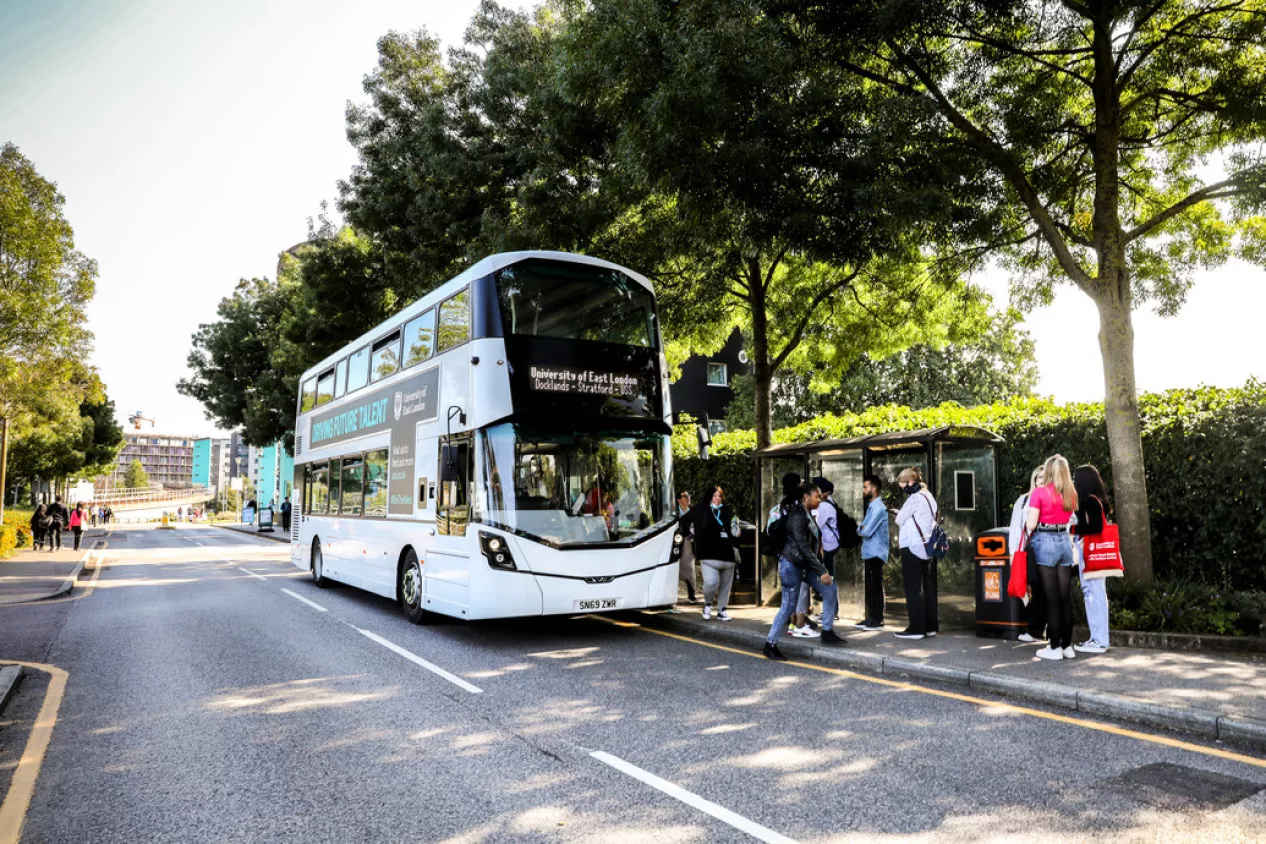
The University of East London holds TEF Silver — a modern, accessible, and genuinely diverse university in Stratford, East London, with campuses adjacent to the Olympic Park, excellent architecture, social work, psychology, and creative arts programmes, and some of the most competitive tuition fees in London.

UEL holds TEF Silver and is particularly strong in architecture, psychology, social work, nursing, business, and creative arts. Known for a strong commitment to widening participation and inclusion — one of the UK's most accessible universities for students from all backgrounds. Strong industry links in the health, social care, and creative sectors, and an excellent graduate employment record in these areas.

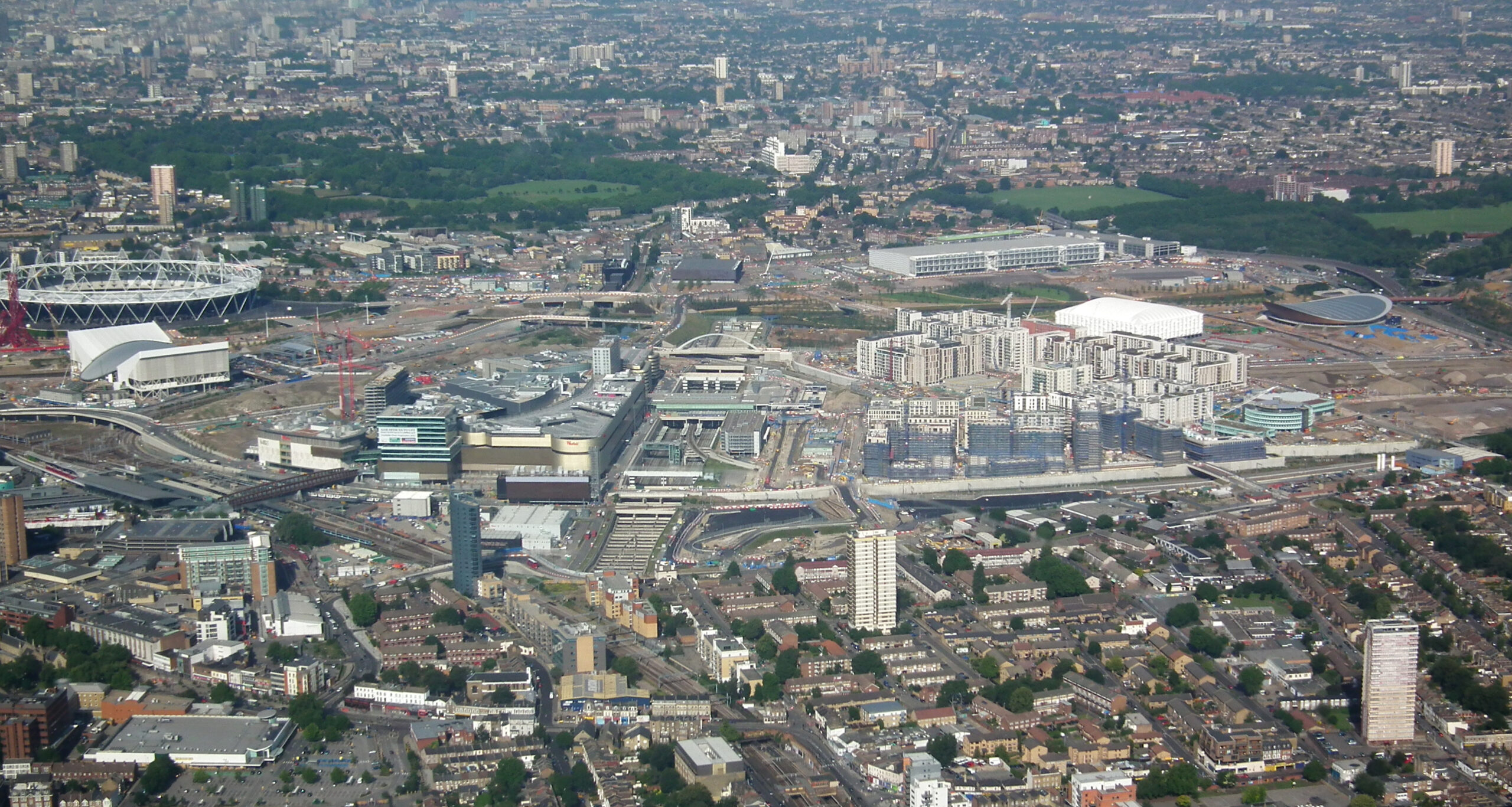
UEL's Stratford campus sits adjacent to the Olympic Park and Westfield Stratford — one of London's most exciting regeneration areas. The Elizabeth line provides direct services to central London in 15–20 minutes. Canary Wharf is minutes away. East London's vibrant creative and cultural scene — Hackney, Shoreditch, Dalston — is all accessible. Stratford itself is one of London's fastest-developing areas.

UEL is one of the most ethnically and culturally diverse universities in the UK — reflecting East London's extraordinary multicultural character. A genuine commitment to widening access means students come from a remarkable range of backgrounds. The Students' Union is active and inclusive. East London's creative and community-focused culture makes it an excellent environment for students who value diversity and social purpose.

UEL offers the most competitive tuition fees of any London university, alongside some of the most affordable rents in the capital — Stratford and surrounding areas average £700–£950/month. Strong bursary support. The Elizabeth line brings all of London's opportunities within 20 minutes. For students who want London at its most accessible — both financially and in terms of opportunity — UEL is an outstanding choice.
The University of the Arts London is consistently ranked in the global top 5 for art and design — the world's premier creative university, comprising six world-famous colleges: Central Saint Martins, London College of Fashion, Chelsea, Camberwell, London College of Communication, and Wimbledon College of Arts.
UAL is the world's leading creative university — consistently ranked global top 5 for art and design. Central Saint Martins is the most famous art school on earth, with alumni including Alexander McQueen, Stella McCartney, and Jarvis Cocker. London College of Fashion shapes the global industry. Chelsea, Camberwell, LCC, and Wimbledon each have their own world-class reputations. Faculty are working practitioners at the top of their fields.

UAL's six colleges are spread across London — King's Cross (Central Saint Martins), Soho (London College of Communication), Chelsea, Camberwell, and Wimbledon. Every college is in a creatively significant location. London is the world's most vibrant creative city — fashion, art, film, design, and music industries are all immediately accessible. The combination of UAL's prestige and London's creative ecosystem is simply unparalleled.
With 19,000+ students from 130+ countries, UAL has the most internationally diverse creative student community in the world. Each college has its own distinct culture and identity, but sharing UAL's overarching community creates extraordinary cross-disciplinary creative energy. Alumni networks span every corner of the global creative industries. The peer environment at UAL is unlike anything available anywhere else in the world.

London is expensive — typical monthly costs run £1,400–£2,000. Rent near UAL's colleges varies widely — King's Cross and Chelsea are £950–£1,300/month; Camberwell and Wimbledon are notably more affordable at £800–£1,050/month. UAL offers bursaries and scholarships. The alumni network — which spans the entire global creative industry — provides a return on investment that is genuinely unique.
Guildhall School of Music & Drama is consistently ranked among the world's top conservatoires — an intimate, elite institution in the Barbican, City of London, offering exceptional specialist training in music, drama, production arts, and film, with extraordinary industry connections across the global performing arts.

Guildhall is consistently ranked among the world's top 5 conservatoires — offering intensive, world-class training in music, drama, production arts, and film. Faculty are active performers, directors, and practitioners of the highest international calibre. Alumni include Ewan McGregor, Orlando Bloom, Daniel Craig, and Damie Lewis. Students perform publicly in the Barbican and beyond throughout their training — building professional networks from year one.

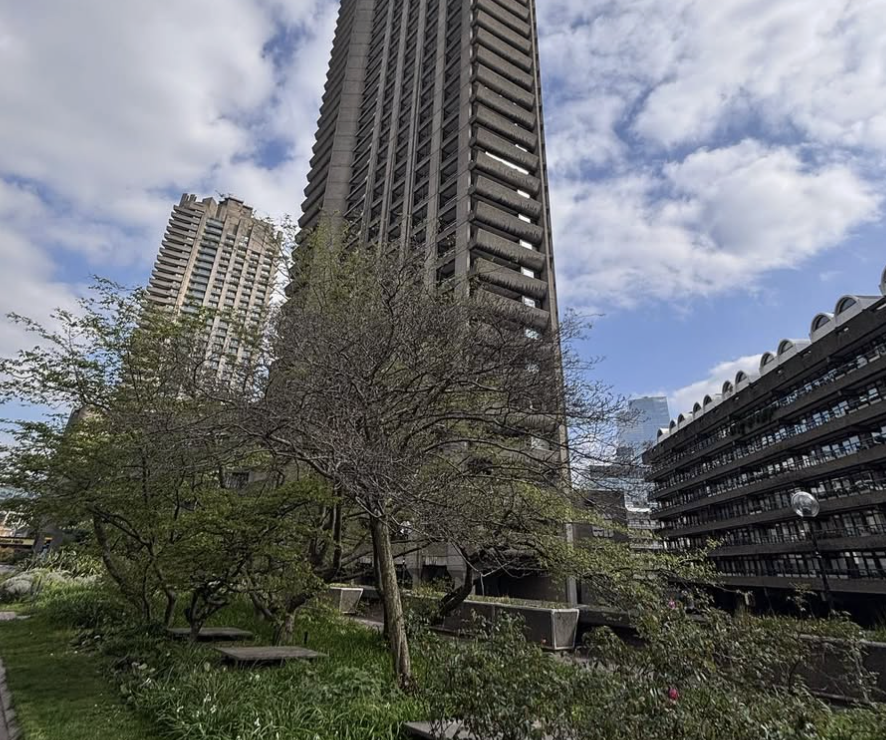
Guildhall's purpose-built building is inside the Barbican complex in the City of London — adjacent to the Barbican Concert Hall, Barbican Theatre, and one of London's most celebrated cultural venues. The West End is 10 minutes by Tube. The LSO, English National Opera, and Royal Shakespeare Company are all nearby. For serious performing artists, no city in the world and no location within it can match Guildhall's position.

With around 1,000 students, Guildhall is intimate enough for staff and students to know each other personally — and the collaborative community across music, drama, and production arts is extraordinary. Students perform publicly throughout training, building professional networks from day one. London's world-class performing arts scene — opera, theatre, orchestras, film — is immediately accessible and professionally relevant.

London is expensive — typical monthly costs run £1,400–£2,000. The City of London and surrounding areas are among London's more expensive — rents near the Barbican run £1,000–£1,400/month. However, students often choose more affordable areas within easy Tube reach. Guildhall offers scholarships and bursaries. The alumni network — which spans Hollywood, the West End, and every world-class orchestra — is genuinely unmatched in the performing arts.
Discover the best areas to live based on your budget, lifestyle and university.
Central
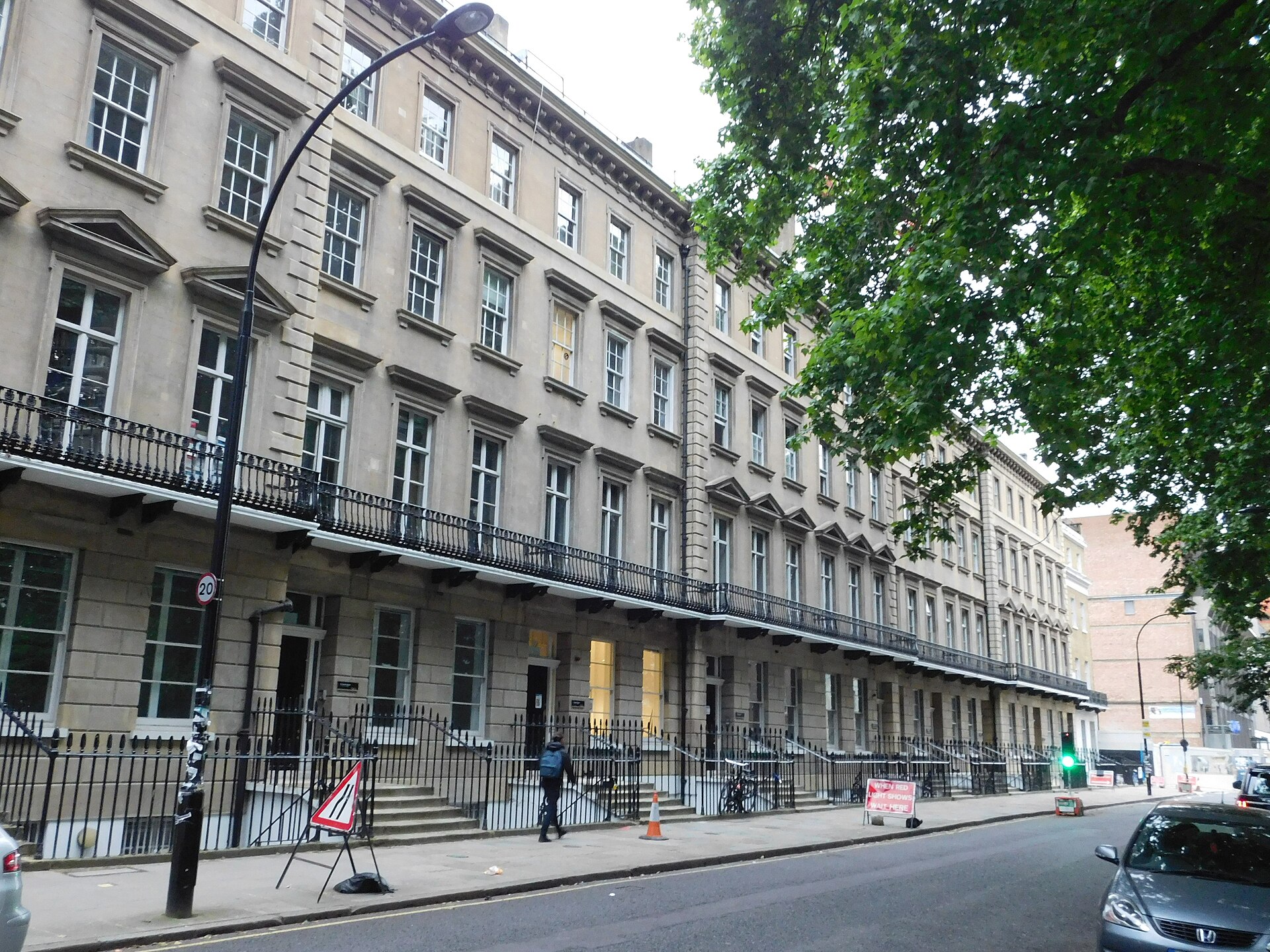
London's most academic neighbourhood — UCL, SOAS, Birkbeck, and the School of Pharmacy are all based here, alongside the British Museum, the British Library, and some of London's finest Georgian squares. Bloomsbury is quiet by London standards, with an intellectual, bookshop-and-café character that suits serious students well. Russell Square and Tavistock Square are leafy oases. The West End is a 10-minute walk; everywhere else is Tube-accessible in minutes.
Central
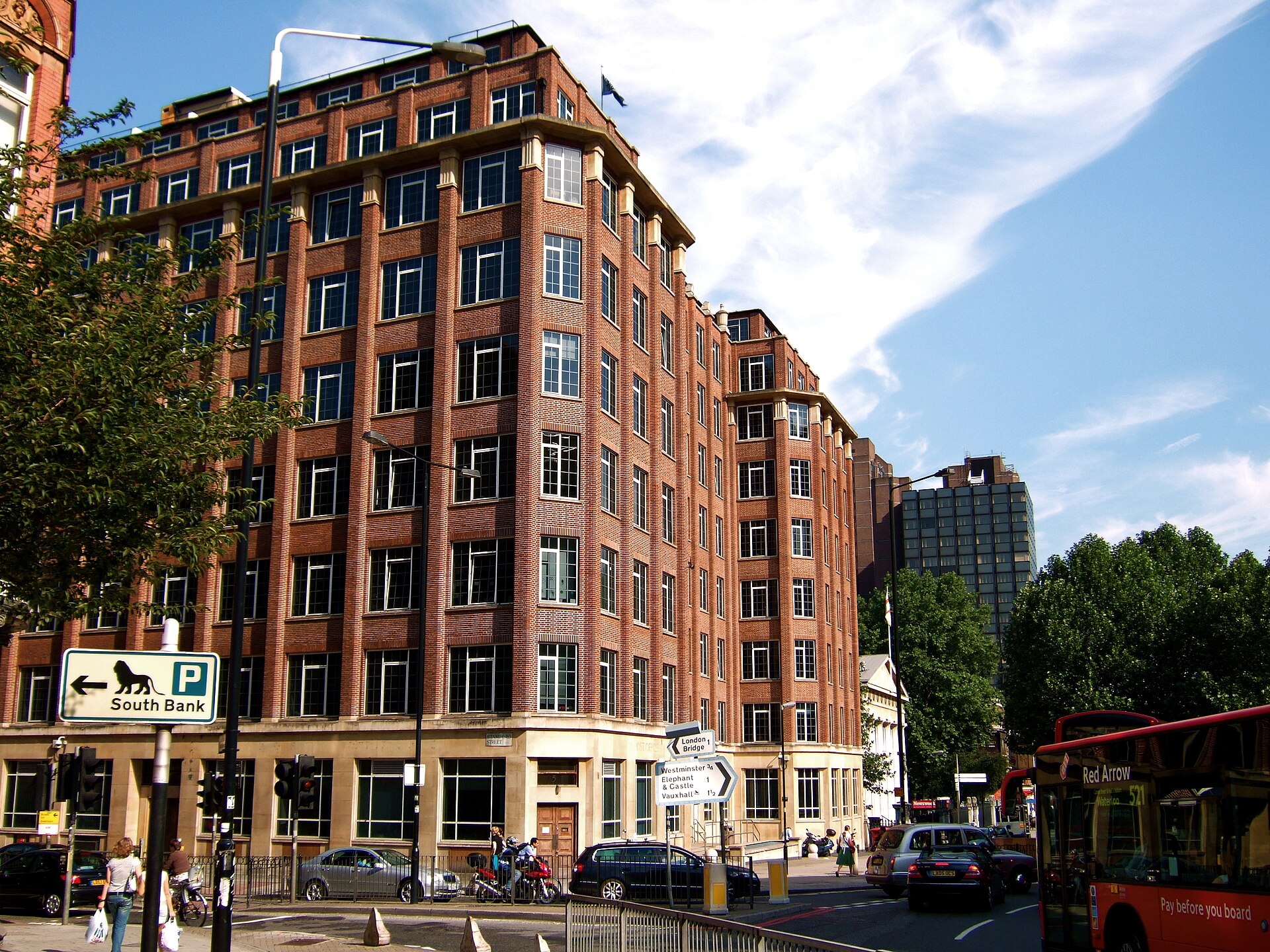
One of London's most spectacular locations for students — the South Bank combines KCL's Strand and Waterloo campuses, the National Theatre, Tate Modern, Southbank Centre, and some of the finest views in London, all along the Thames. Waterloo station provides extraordinary transport connections. Popular with KCL, Westminster, and LSE students who want to live close to their central campuses. Generally more expensive than areas further out.
Central
A vibrant, diverse, and relatively affordable central area — adjacent to both the City of London and the start of East London. Very popular with QMUL students and those at City University. Brick Lane, Spitalfields Market, and Whitechapel's extraordinary food scene are all close. The Elizabeth line at Whitechapel is among London's most connected stations. A neighbourhood with real character and energy, at a price point lower than the West End.
North
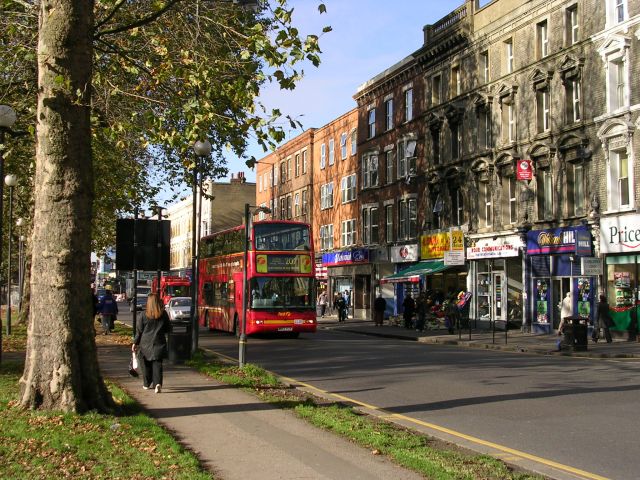
One of the most popular student areas in North London — Holloway Road is a busy, affordable, and student-dominated stretch with good Tube connections into central London. Very popular with students at City University, UCL (via the Northern line), and London Metropolitan. Angel and Islington's independent restaurant and bar scene is excellent. Rents are more manageable than central London while keeping Zone 2 access. Upper Street is one of London's finest independent dining and bar streets.
North
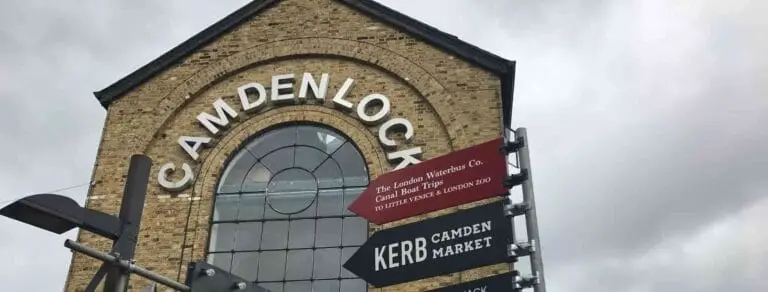
A legendary student and creative favourite — Camden Market, live music venues, and the canal make this one of London's most characterful neighbourhoods. Popular with UCL, SOAS, and arts students from across London. Kentish Town is slightly quieter and more residential than Camden but shares its excellent Northern line connections. Primrose Hill and Regent's Park are nearby for outdoor escapes. Rents are reasonable for Zone 2 given the quality of the area.
East
London's most exciting student area for creative and arts students — Hackney and Bethnal Green combine some of London's most vibrant independent culture (Broadway Market, Victoria Park, Hackney Wick) with good transport links and rents that are lower than the West End. Very popular with QMUL, UAL, and arts students across London. The area's independent food, arts, and nightlife scene is world-class. Shoreditch and Dalston are within easy reach for the full East London experience.
East
One of London's fastest-evolving areas — Stratford and the Olympic Park offer purpose-built student accommodation, Westfield (the UK's largest mall), extraordinary transport connections, and rents that are among the lowest in London for Zone 2 access. Very popular with UEL students and increasingly with students from across London who want exceptional value. Forest Gate is quieter and more residential, with good local character and a growing food scene on Woodgrange Road.
South
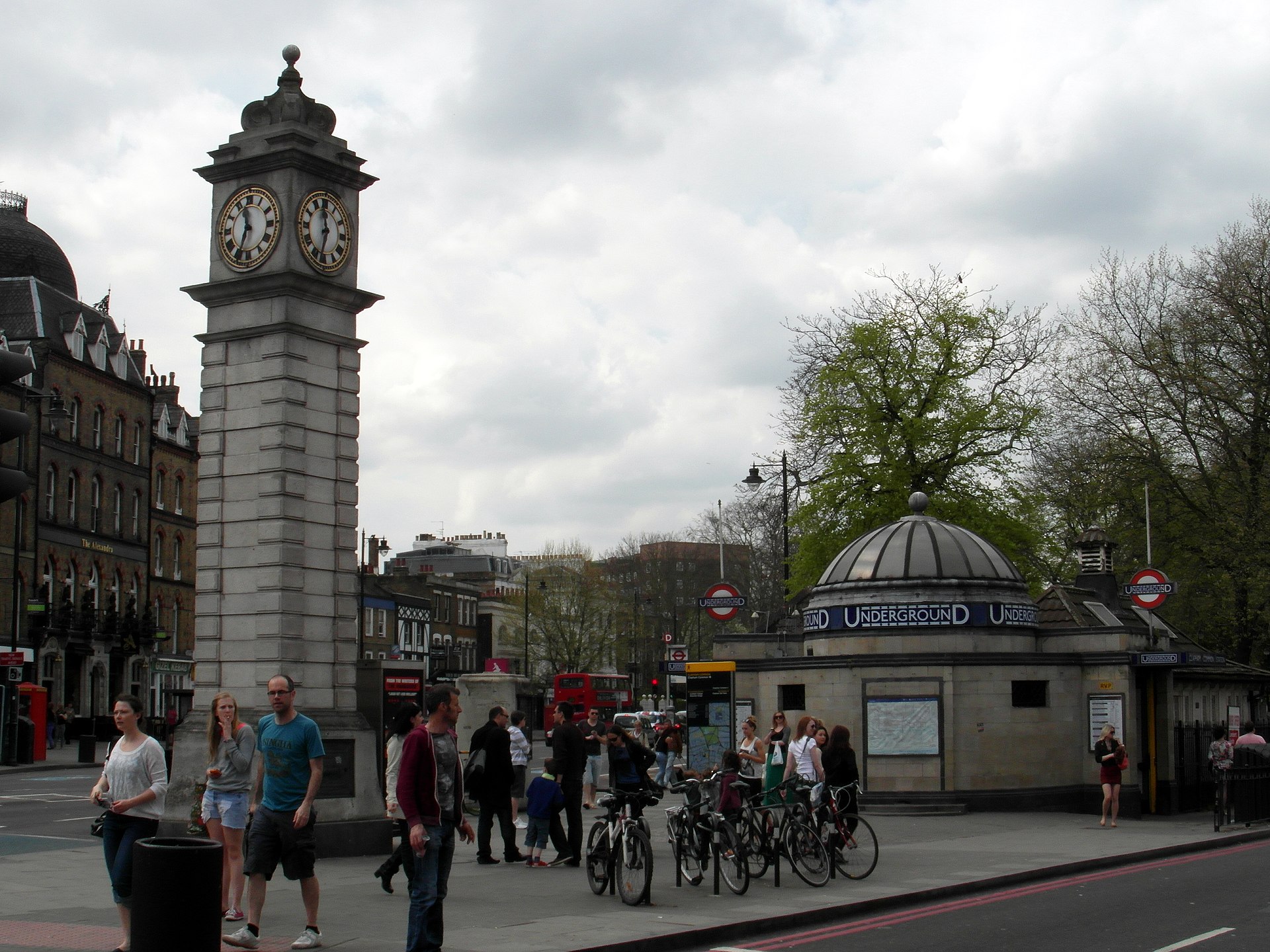
Two of South London's most loved student areas — Brixton's legendary market, live music venues, and independent food scene make it one of London's most vibrant postcodes; Clapham offers a slightly more polished alternative with Clapham Common, excellent nightlife on Clapham High Street, and strong Victoria line connections. Popular with KCL, Goldsmiths, and UAL (Wimbledon) students. Rents are relatively affordable for Zone 2 given the quality and connectivity.
South
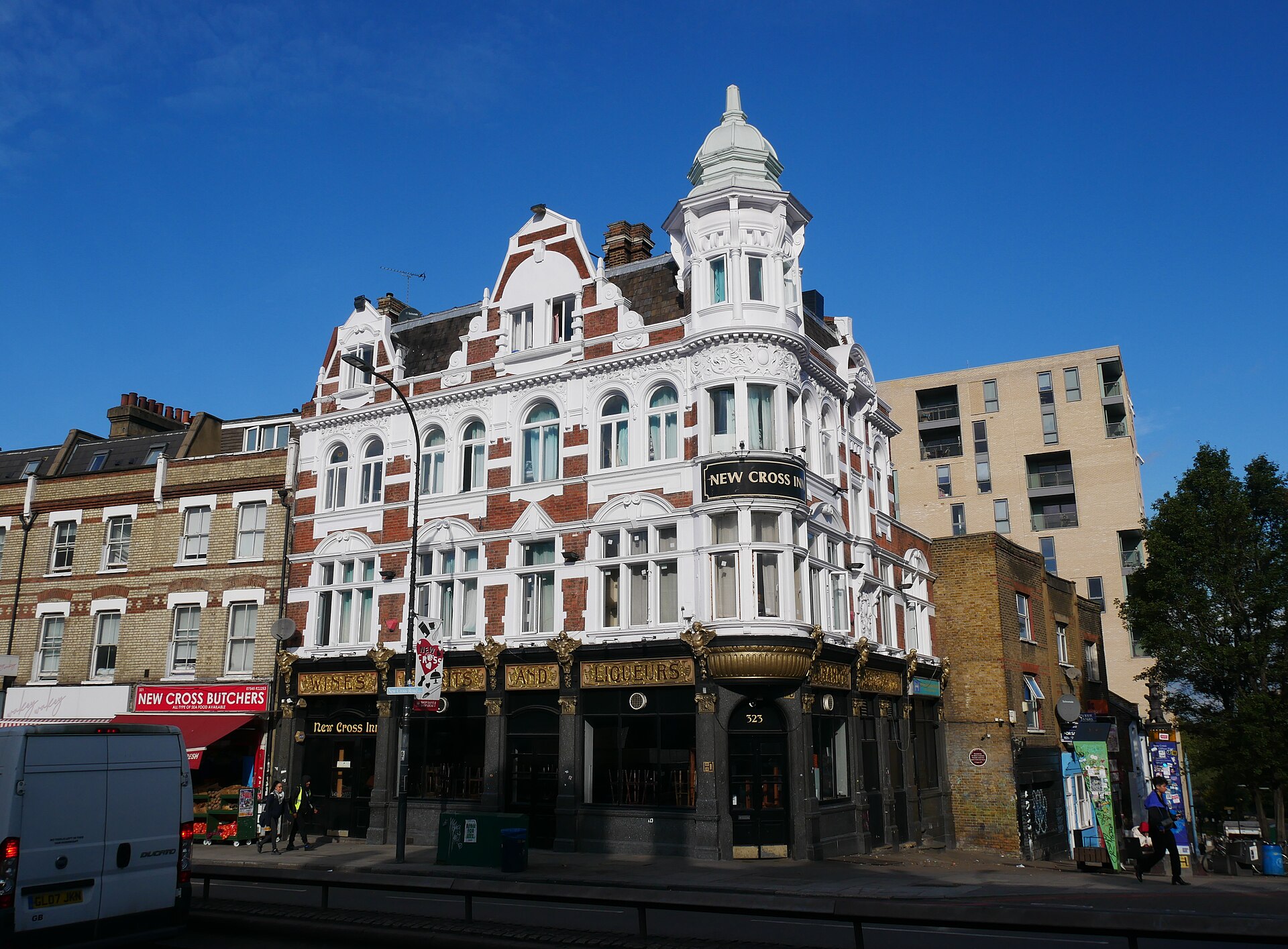
The most student-dominated area in South London — Goldsmiths, University of London is based in New Cross, making it a natural student neighbourhood with affordable rents, an outstanding arts and creative scene, and the rapidly-rising Peckham just next door. Peckham's rooftop bars, Rye Lane market, and independent food scene are now genuinely world-class. Among the most affordable areas in London with this level of cultural energy — and the Overground connects everywhere.
West
A popular choice for students at Imperial College, UAL's Chelsea campus, and those at West London institutions — Shepherd's Bush and Hammersmith offer good Zone 2 access, Westfield London for shopping, and the Tube's District and Central lines running directly to South Kensington and central London. Rents are manageable for West London and the area has a lively high street and good independent food scene. Holland Park is close for outdoor escape.
West
The prestige choice for Imperial College students — South Kensington puts you on Imperial's doorstep, adjacent to the Natural History Museum, Science Museum, and V&A, with Hyde Park close by. Earl's Court is adjacent and notably more affordable, with good Tube connections and a more student-friendly feel. Both areas are among the most expensive in London — but for Imperial students, the convenience and proximity are exceptional, and bursaries can make it viable.
West
The home territory for Brunel University students — Uxbridge and the surrounding areas in West London offer some of the most affordable rents in Greater London, a genuine suburban atmosphere, and the Piccadilly line to central London in around 40 minutes. Heathrow is 10 minutes away — convenient for international students. West Drayton (Elizabeth line) is an increasingly popular affordable option for students wanting more space and lower rent, with fast connections to central London and the City.
Everything you need to know about student accommodation in London.
Secure your student accommodation using these four steps the year before moving in.
Start researching areas and viewing properties for next year. Get a feel for the market before competition heats up.
Peak house hunting season — the best properties go fast. View, decide, and secure your place early!
Last chance to secure places and sign contracts. Don't leave it any later — good options will be gone.
Finalise details, arrange deposits, and prepare to move in. Summer admin sorted before the new year starts.
The best websites and resources for finding student housing in London — from official university portals to local letting agents.
Our in-depth review of the top letting agencies in London — rated for responsiveness, value, and student experience across all areas and price points.
Reputable nationwide student accommodation site with extensive London listings — ideal for comparing shared flats across all zones, from Bloomsbury and South Bank through to Hackney, Peckham, and Stratford.
Visit siteStudent property search with thousands of London listings. Filter by area, zone, price, and bedrooms to compare every part of the capital — from Zone 1 premium central to the more affordable Zone 2–3 areas in North, East, and South London.
Visit siteSearch London's full private rental market by area, price, and Tube zone. Essential for comparing the real cost of different London neighbourhoods — from Bloomsbury and Islington to Hackney, Stratford, and New Cross.
Visit siteThe UK's most-used flatshare site — essential for London students looking to join existing households. Particularly useful for finding rooms in Zone 2 areas like Hackney, Islington, Brixton, Peckham, and Shepherd's Bush at more affordable prices.
Visit sitePurpose-built student accommodation across London — with properties in Bloomsbury, Stratford, Mile End, South Bank, and other key student areas offering modern en-suite rooms and studios near major university campuses.
Visit siteA London-specific flatshare and room rental platform — well-suited for students searching in Zone 2 and Zone 3 areas across North, East, and South London. Good coverage of Hackney, Brixton, Peckham, Islington, and Stratford at student-friendly price points.
Visit siteGet a realistic estimate of living costs in London with our interactive calculator
From the best student nights out to walking routes around the town, get to know London with our range of guides written by local students.
Whether your child is considering studying in London or already enrolled, this guide covers costs, safety, accommodation, and what life is really like as a student in the world's most extraordinary, diverse, and opportunity-rich city.
Most London universities guarantee or strongly support first-year students with university or intercollegiate halls. From second year, most students move to shared private flats — with Zone 2 areas like Hackney, Islington, Brixton, Stratford, and Peckham offering significantly better value than Zone 1. The 18+ Student Oyster photocard (30% off Tube fares) makes commuting very manageable. Students should start searching from November — London's competitive rental market moves fast, particularly near the most popular campuses.
London is the most expensive city in the Unifresher set — typical monthly costs run £1,500–£2,200 including rent, food, transport, and social life. However, London's extraordinary part-time job market, the highest graduate salaries in the UK, bursaries at every major university, and the density of free world-class culture (museums, galleries, parks, events) mean the investment is qualitatively different from anywhere else. Living in Zone 2 can reduce monthly costs by £300–£500 compared to Zone 1.
London is home to four global top-10 universities — UCL, Imperial College, King's College London, and LSE — alongside world-class institutions including QMUL, Royal Holloway, City, UAL, and Guildhall. No other city on earth concentrates this level of academic excellence. Each university has a distinct character, and the University of London's intercollegiate system allows students to access resources across multiple institutions. Open days are the single best way to understand the difference between them.
UCL open day information →Every London university provides counselling, mental health advisors, financial hardship funds, disability services, and academic support. London's sheer scale — over 400,000 students across the capital — creates an extraordinary peer support network. All major universities have active students' unions with welfare teams and advice services. International students particularly benefit from London's unmatched infrastructure for students from every background, language, and cultural tradition.
UCL student support →Parents are warmly welcomed at all London university open days. We recommend visiting multiple if your child is still deciding — UCL's Bloomsbury campus, Imperial's South Kensington museum quarter setting, KCL's South Bank Thames views, and LSE's compact Aldwych campus are all dramatically different experiences. UAL's Central Saint Martins and Guildhall offer specialist creative open days. All universities are happy to discuss fees, bursaries, welfare, placements, accommodation, and graduate outcomes in detail.
Imperial College open days →The British Museum, National Gallery, Tate Modern, V&A, Natural History Museum, Science Museum, and Tate Britain are all completely free — and genuinely among the world's finest. Hyde Park, Regent's Park, Victoria Park, Hampstead Heath, and Sefton Park are extraordinary free outdoor spaces. Borough Market, Broadway Market, and Maltby Street offer world-class food at street food prices. The West End, Barbican, Royal Albert Hall, and hundreds of live music venues make London's cultural offering unparalleled. Every weekend is different. There is no city on earth that rewards curious, ambitious young people more generously.
London is a very safe city for students overall — but it is a major world city, and normal sensible awareness applies. The main student areas — Bloomsbury, Islington, Hackney, Brixton, Stratford, South Bank — are all well-established, well-policed, and well-lit. All London universities have active welfare and security services, including 24-hour support lines. London's extraordinary diversity means students from every background find communities they recognise. The Tube is safe and well-monitored. Students moving from smaller cities often find London feels very manageable once they know their area and their routes.
Typical monthly costs range from £1,500–£2,000 in Zone 2, rising to £1,800–£2,200+ near Zone 1 campuses. Living in Zone 2 (Hackney, Brixton, Islington, Stratford) can significantly reduce costs without much impact on quality of life. Every major London university offers bursaries and hardship funds for eligible students. London's exceptional part-time job market — the highest-paying in the UK — helps students supplement their income. The 18+ Student Oyster card (30% off all Tube and bus fares) is essential and saves up to £50/month on transport.
Every London university provides comprehensive counselling, mental health advisors, financial hardship funds, and academic support — many offer 24/7 online or phone access. The University of London's intercollegiate system means students at member universities can also access welfare services at other colleges. London's scale means specialist support is available for virtually every circumstance — medical, disability, cultural, linguistic, and financial. Students' unions are large, active, and well-resourced. London's NHS provision is extensive. Students are never far from professional support.
London is the most accessible city in the UK for parent visits — connected to every major UK city by fast rail, and to the world by five airports. Most university campuses are in or near Zone 1–2, a short Tube or taxi ride from major rail terminals. St Pancras (HS2, Eurostar), Paddington, Victoria, Waterloo, and King's Cross are all central. When you visit, London is extraordinary: world-class free museums, the West End, Borough Market, the Thames riverside — there is no other city that offers parents visiting their child a richer experience. You'll want to come back.
Every London university welcomes parents at open days — tour the campuses, meet academic and welfare staff, and get honest answers about student life, fees, bursaries, accommodation, graduate outcomes, and what it's really like to study in the world's greatest city.
Everything you need to know about student life in London.
London is the most expensive student city in the UK — and significantly more expensive than most European capitals. Total monthly costs typically run £1,500–£2,200 covering rent, food, transport, and social life. Rent is the biggest factor, averaging £700–£1,400/month depending heavily on Tube zone — Zone 2 is significantly cheaper than Zone 1 for equivalent quality. That said, London has extraordinary offsetting factors: the world's best part-time job market, the highest graduate salaries in the UK, generous university bursaries, and an enormous amount of genuinely world-class free culture (museums, galleries, parks, markets, events). With smart choices — Zone 2 housing, Student Oyster card, free museums — London can be lived well on less than most people expect.
London is a very safe city for students overall — but as a major world city, normal sensible awareness applies. The main student areas — Bloomsbury, Islington, Hackney, Brixton, South Bank, Stratford — are all well-established, well-policed, and well-lit. All London universities have 24-hour security and welfare services. London's extraordinary diversity means students from every background find communities they recognise. The Tube runs until around midnight (24 hours at weekends on some lines), keeping travel safe. Students from smaller UK cities typically find London very manageable once they know their neighbourhood and their routes.
London's nightlife is simply the most diverse and comprehensive in the world — from Fabric and Printworks to the Ronnie Scott's jazz club, the Ministry of Sound, hundreds of live music venues across every genre, and the West End's bar scene. Soho, Shoreditch, Brixton, Peckham, and Camden all have distinct, world-class nightlife identities. Every major London university's students' union runs regular events. Student nights, NUS discounts, and free guestlists make going out more affordable than the prices suggest. The Tube Night service (Friday and Saturday) connects the whole city until the early hours.
First-year accommodation is guaranteed or strongly supported at most London universities — no private searching needed in year one. For private housing from second year, start looking from November or December. London's rental market is the most competitive in the UK — good-value properties in popular student areas like Hackney, Islington, and Brixton go fast. Form your flat group before the end of first term, start viewings in November, and aim to sign by January. SpareRoom is the most widely used platform for finding rooms, and Zoopla and Rightmove for full flats. Be prepared for London's referencing and guarantor requirements — these are stricter than other UK cities.
University halls typically cost £800–£1,400/month including bills — the widest range in the UK, reflecting London's zone-based premium. Private shared flats in Zone 1 or Zone 2 West (Bloomsbury, South Bank, South Kensington) average £950–£1,400/month per person. Zone 2 East, North, and South (Hackney, Islington, Brixton, Stratford, New Cross) are significantly more affordable at £700–£1,050/month. Purpose-built student accommodation (PBSA) across London runs £1,050–£1,800/month with bills included. The key insight for London students is simple: living in Zone 2 instead of Zone 1 typically saves £200–£400/month with only a 15–20 minute Tube commute difference.
London's student areas vary dramatically by university and budget. Bloomsbury is the natural home for UCL and SOAS students — academic, central, British Museum next door. South Bank and Waterloo suit KCL and LSE students — Thames views, Tate Modern, Southbank Centre. Hackney and Bethnal Green are the creative East London choice — Broadway Market, Victoria Park, independent culture, and Zone 2 rents. Islington and Holloway are popular with City University students — Angel's food and bar scene, good Northern line access. Brixton and New Cross are the best-value South London options, popular with Goldsmiths and KCL students. Stratford suits UEL students perfectly — Olympic Park, Elizabeth line, lowest Zone 2 rents.
Absolutely not — in fact, owning a car in London is a significant disadvantage for most students. Parking is expensive and scarce, the Congestion Charge applies in Zone 1, and the Tube, bus, Overground, and Elizabeth line cover virtually every part of the city comprehensively. Most students in central and Zone 2 areas walk, cycle, or Tube everywhere. The 18+ Student Oyster photocard gives 30% off all Tube and bus fares — essential and worth getting the moment you arrive. Santander Cycles (Boris Bikes) and e-scooters are widely available for short journeys. A car would genuinely make student life in London harder, not easier.
London is the best-connected city in the UK by a significant margin. Manchester is under 2 hours by Avanti from Euston. Birmingham is 45 minutes. Edinburgh is 4.5 hours. Bristol is 1.5 hours. Paris is 2.5 hours by Eurostar from St Pancras. Five airports (Heathrow, Gatwick, Stansted, Luton, City) connect to hundreds of international destinations, with budget carriers making European weekends very accessible. With a 16–25 Railcard, domestic rail fares drop by a third. National Express coaches provide ultra-budget intercity options. London students have by far the best access to the rest of the UK and Europe of any university city.
London has the world's most comprehensive urban public transport network — the Underground (11 lines), Overground, Elizabeth line, DLR, buses (24-hour on many routes), river boats, and National Rail all integrated under TfL. The Elizabeth line is transformative for East-West journeys. Night Tube (Friday/Saturday) runs on the Central, Jubilee, Northern, Victoria, and Piccadilly lines. Pay-as-you-go with an Oyster or contactless card is the standard — and the 18+ Student Oyster photocard (30% off) makes it meaningfully cheaper. Average journey time from any Zone 2 area to a central campus is 15–25 minutes. It is genuinely excellent.
Yes — the 18+ Student Oyster photocard (30% off all Tube and bus fares) is the single most valuable student discount in London and essential from day one. Your NUS/TOTUM card works across thousands of shops, restaurants, and venues. The British Museum, National Gallery, Tate Modern, V&A, Natural History Museum, Science Museum, and many more are completely free. Half-price student tickets are widely available at the National Theatre, Royal Opera House, Barbican, Southbank Centre, and Shakespeare's Globe. Many West End shows release day seats and student standby tickets. London's universities offer extensive SU bars, subsidised events, and student pricing.
London has by far the best part-time job market of any UK student city — across hospitality, retail, events, finance, tech, creative, and professional services. Minimum wage is the same as the rest of the UK, but London's density of employers — and the volume of evening, weekend, and flexible roles — is unmatched. Finance and professional services internship pipelines for Russell Group students are the most developed in the world. All major London universities have active careers services and on-campus job boards. International students on a Student visa can work up to 20 hours/week during term time.
London is inexhaustible. The British Museum, National Gallery, Tate Modern, V&A, Natural History Museum, Science Museum, Tate Britain, and the Museum of London are all free and world-class. Hyde Park, Regent's Park, Victoria Park, Hampstead Heath, and Greenwich Park are extraordinary free green spaces. The West End has 40+ theatres. The Barbican, Royal Albert Hall, Wigmore Hall, and Ronnie Scott's are among the world's finest music venues. Borough Market, Broadway Market, and Maltby Street are outstanding food destinations. The Thames Path, canal towpaths, and cycling routes are brilliant. Every weekend in London offers something genuinely extraordinary — you will never run out of things to do.
London is one of the two or three greatest student cities on earth — and for certain students, it is simply the only place. No other city offers four global top-10 universities, the world's most diverse cultural life, unmatched career opportunities, and the extraordinary experience of living in a city that is genuinely shaping the world in real time. It is expensive — there's no pretending otherwise — but the students who choose London and embrace it fully consistently describe it as transformative. The combination of academic prestige, professional opportunity, cultural richness, and human diversity is genuinely impossible to replicate anywhere else.
London's universities have distinct and world-famous reputations. UCL (global top 10) is celebrated for medicine, law, architecture, engineering, and interdisciplinary research. Imperial (global top 10) is the world's leading STEM university. KCL (world top 30) is outstanding for medicine, nursing, law, and humanities. LSE is the world's #1 social science university — economics, law, politics, finance. QMUL (Russell Group top 20) is strong for medicine, law, and humanities. City holds TEF Gold for business, journalism, and optometry. UAL is the world's top creative arts university — Central Saint Martins, London College of Fashion. Guildhall is a world top-5 conservatoire.
London is home to some of the greatest universities in the world — full stop. UCL and Imperial are consistently in the global top 10. KCL is global top 30. LSE is the world's leading social science institution. No other city on earth has this concentration of world-class academic excellence. Beyond the elite tier, institutions like QMUL, City, Royal Holloway, and UAL are all excellent in their respective areas. Graduate employment outcomes at London universities — particularly at the Russell Group institutions — are among the strongest of any universities anywhere, driven by London's extraordinary job market.
Entry requirements vary enormously across London's universities. UCL, Imperial, KCL, and LSE are highly selective — most courses require AAA–A*AA at A-Level, with Medicine, Law, and STEM subjects at the most competitive end. Imperial is among the most academically demanding in the world for engineering and medicine. QMUL requires BBB–AAA depending on course. City and Royal Holloway require BBC–ABB. Westminster and UEL are more accessible at BCC–ABB, with creative programmes assessed partly on portfolio. UAL and Guildhall are portfolio and audition-based — academic grades matter less than the quality of your work. All universities hold open days with direct admissions guidance.