fbpx
Unifresher — The UK Student Guide

Your Ultimate Guide to

Student Life in Brighton

Discover the best universities, events, and experiences that make Brighton the perfect city for students

Universities
0
Students
0 +
Monthly rent
from £ 0

Study at a world-class university

Brighton is home to two prestigious institutions offering exceptional education and student experiences.

Brighton | Unifresher
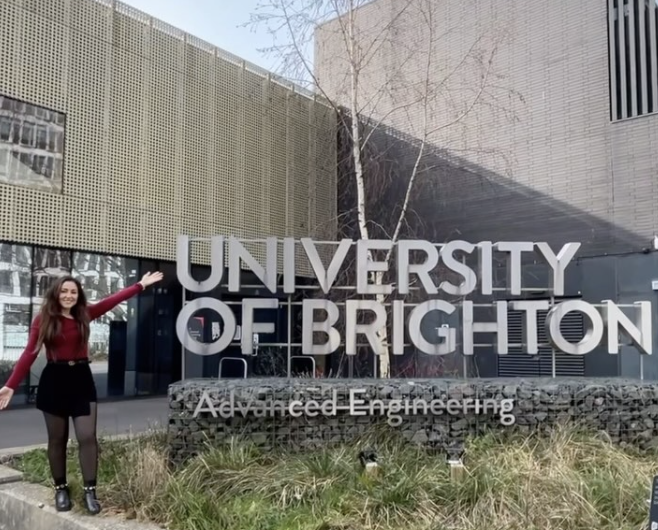
University of Brighton
⭐ TEF Silver
University of Brighton

A creative, career-focused university in one of the UK's most vibrant seaside cities

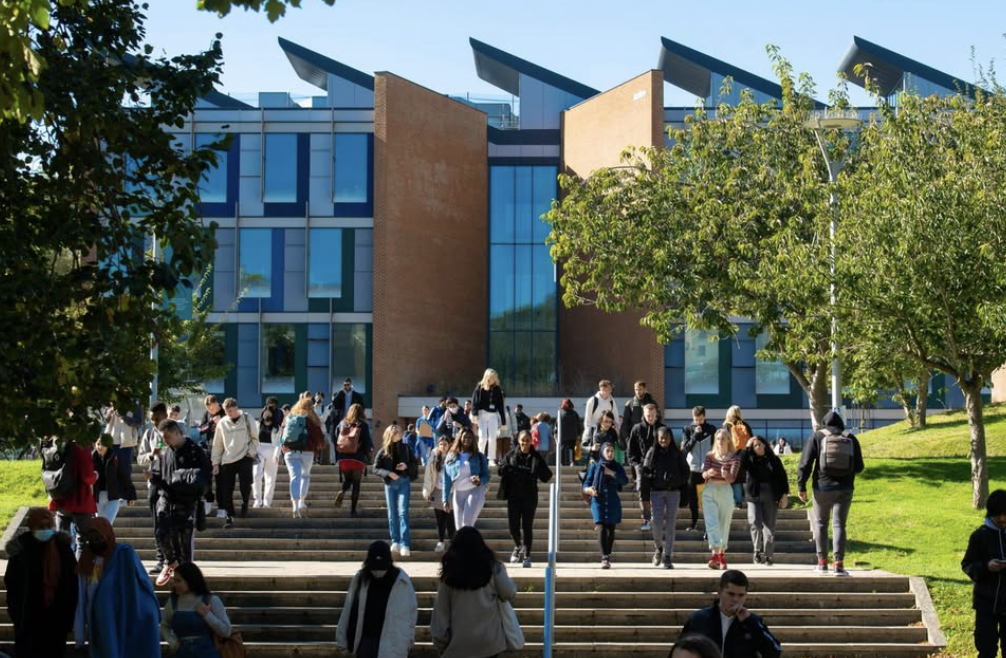
The University of Brighton is known for its creative arts, design, health, and sport programmes — with multiple campuses across Brighton and Eastbourne, a strong graduate employment record, and a genuinely colourful city setting on the Sussex coast.

19,000+Students
200+Courses
~85%Employment
Popular courses
Graphic DesignNursing ArchitectureSport Science BusinessEducation

🌊 The City

Why study in Brighton?

01 / Teaching

Creative and professional education with real-world focus

The University of Brighton holds TEF Silver and is particularly well-regarded for creative arts, design, health, and applied sciences. Around 85% of graduates are in employment or further study within 15 months, with strong industry partnerships across the creative, health, and technology sectors.

TEF Silver~85% employmentCreative focus
02 / Location

The beach, the Lanes, and London 50 minutes away

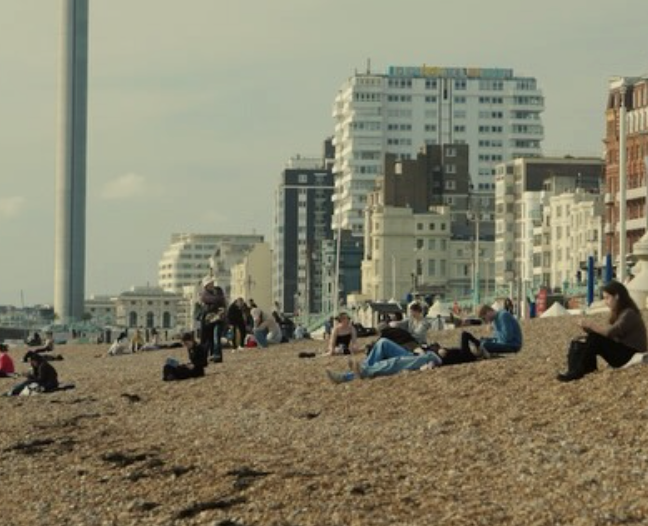
Brighton is one of the UK's most unique and exciting places to be a student — a cosmopolitan seaside city with world-famous nightlife, independent culture, and the Lanes and North Laine for shopping and café culture. London Victoria is just 50 minutes by train.

London 50 minSeafront campusThe Lanes
03 / Community

An inclusive, creative, and diverse student community

Brighton's reputation as one of the UK's most inclusive and open cities is reflected on campus. With 19,000+ students from across the UK and world, the University of Brighton has a vibrant and welcoming SU, active societies, and a student body that reflects the extraordinary diversity of the city itself.

Inclusive communityActive SUDiverse city
04 / Affordability

Seaside city living — with student-friendly options

Brighton is more expensive than Northern cities but comparable to Bristol. Average student rent runs £700–£950/month. The university offers bursaries and scholarships for eligible students, and student areas like Moulsecoomb (near campus) and Preston Park are more affordable than central Brighton.

£700–950/mo rentBursaries availableMoulsecoomb area
£700–950Avg monthly rent
50 minTo London Victoria
19,000+Students
~85%Graduate employment
University of Sussex
⭐ TEF Silver
University of Sussex

A research-intensive university with a progressive, internationally minded campus

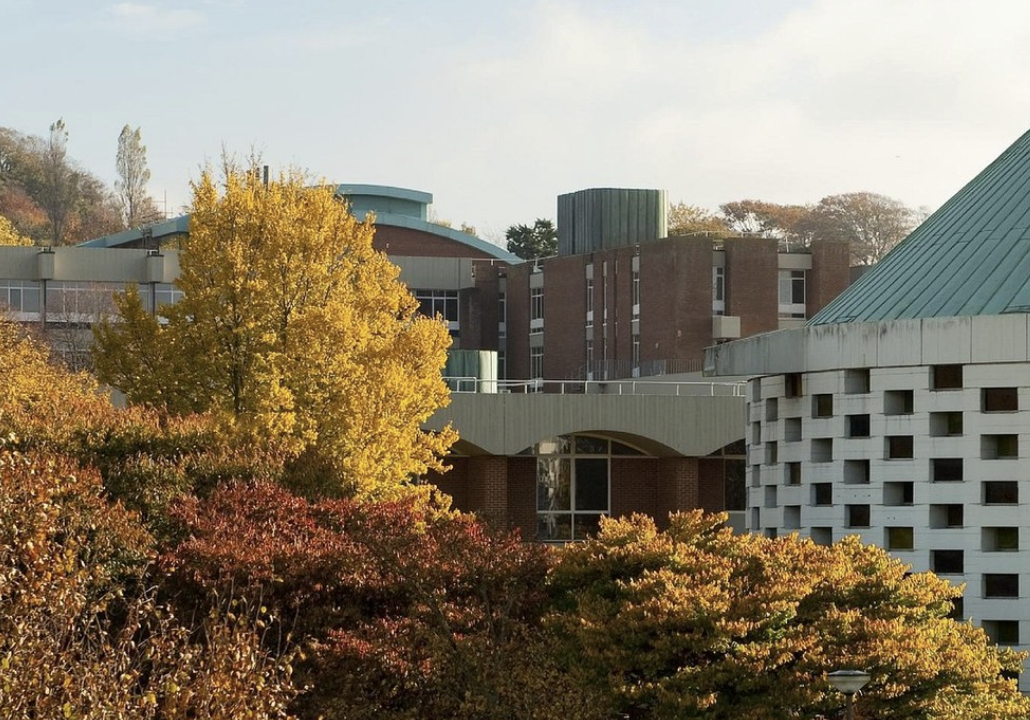
The University of Sussex is one of the UK's leading research universities — ranked in the global top 200 and consistently recognised for academic excellence in social sciences, psychology, law, and the sciences, set in a striking campus on the South Downs just outside Brighton.

19,000+Students
300+Courses
Top 200Global Ranking
Popular courses
PsychologyLaw PoliticsBusiness Computer ScienceMedia Studies

🌊 The City

Why study at the University of Sussex?

01 / Teaching

Research-led teaching from world-class academics

Sussex is a research-intensive university consistently ranked in the global top 200. It has a particularly strong reputation for social sciences, psychology, media, and law. Staff are active researchers publishing globally — and that research shapes the teaching students experience from year one.

Global top 200Research-led300+ courses
02 / Location

A stunning campus between the South Downs and the sea

Sussex's Falmer campus sits at the edge of the South Downs National Park, just 10 minutes from Brighton city centre by train. The campus is self-contained with shops, bars, and sports facilities — while Brighton's beaches, Lanes, and nightlife are always within easy reach. London is 60 minutes away.

South DownsBrighton 10 minLondon 60 min
03 / Community

A progressive, internationally diverse community

Sussex has long been known for its progressive, politically engaged, and internationally minded student culture. With 19,000+ students from over 130 countries, the university has a vibrant SU, strong debating, arts, and activism societies, and benefits enormously from Brighton's status as one of the UK's most culturally diverse cities.

130+ countriesProgressive cultureActive SU
04 / Affordability

Campus-based living with genuine cost advantages

Sussex's Falmer campus location means many students stay on or near campus for multiple years — keeping rents more manageable than central Brighton. The university offers a generous bursary scheme. On-campus accommodation averages £700–£950/month, and the campus has everything needed day-to-day without expensive city-centre living costs.

£700–950/mo rentBursariesCampus living
£700–950Avg monthly rent
60 minTo London Victoria
130+Countries represented
Top 200Global Ranking

Where students live in Brighton

Discover the best areas to live based on your budget, lifestyle and university.

Brighton Neighbourhoods | Unifresher
North Laine

North Laine

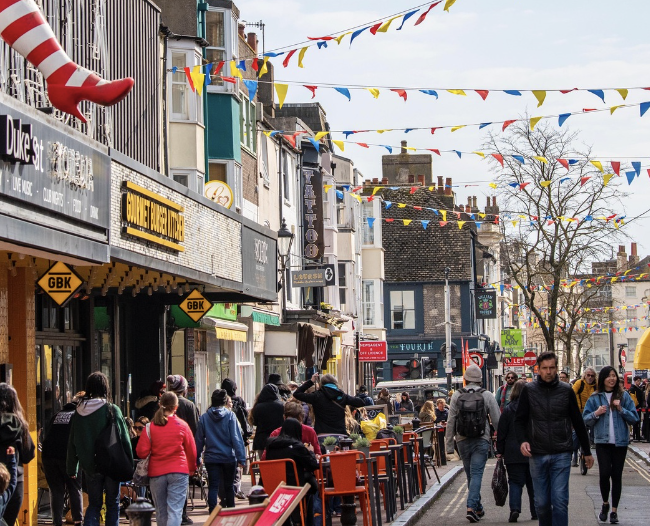
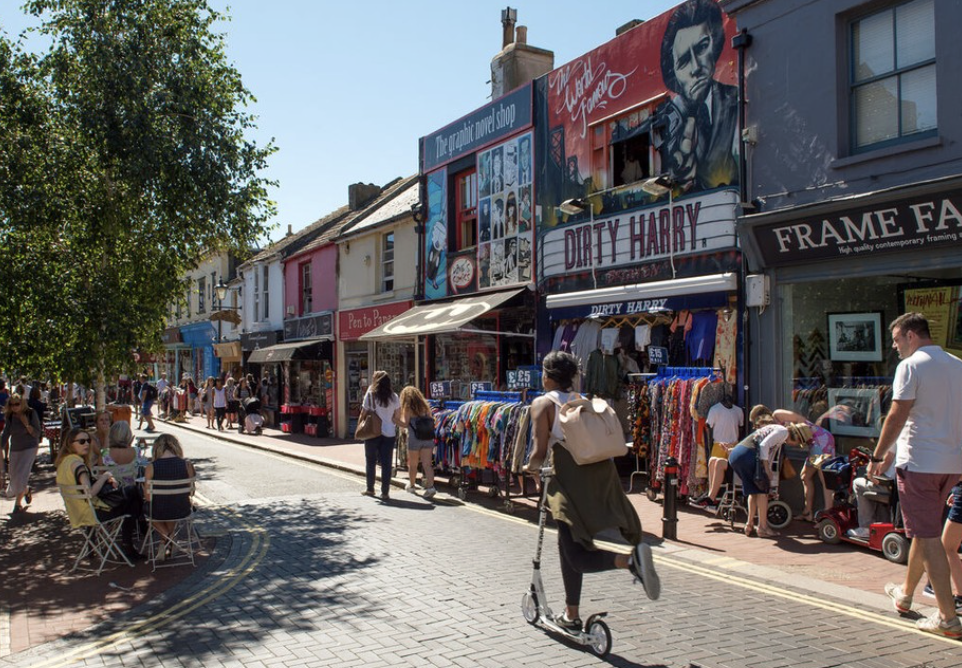
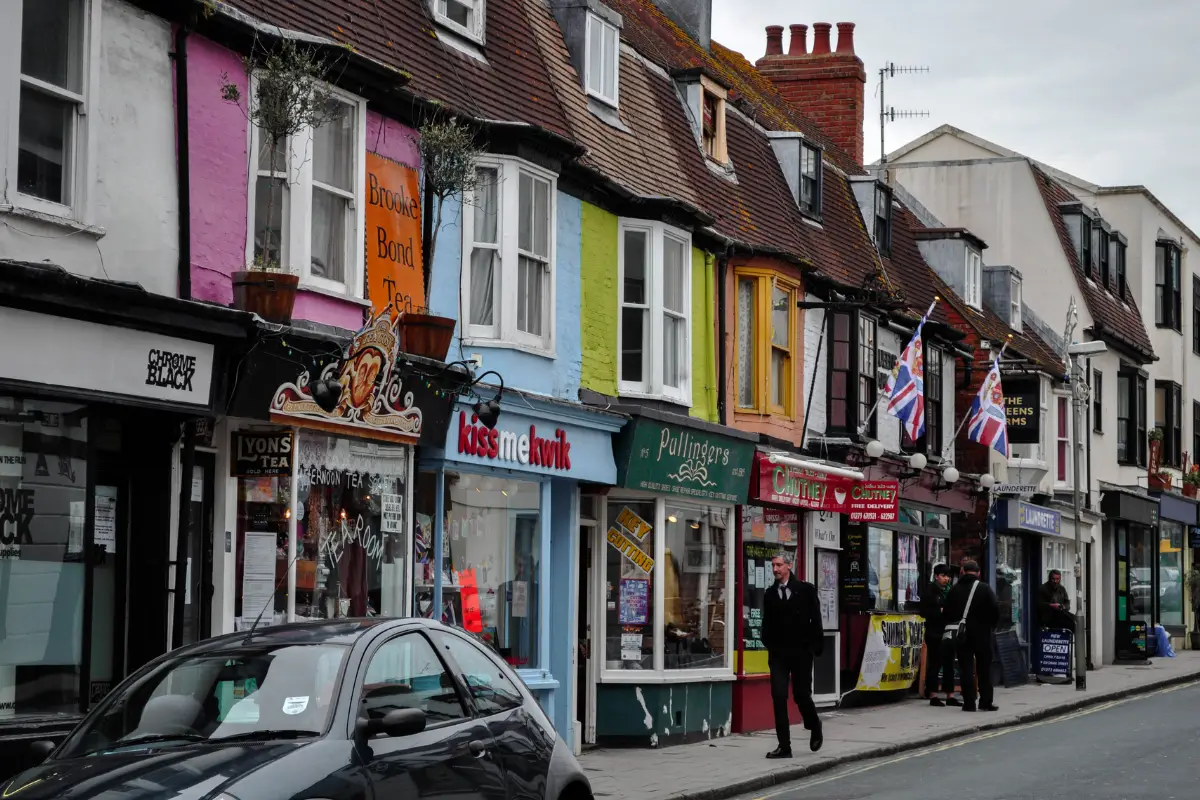
Brighton's most iconic neighbourhood — an eclectic maze of independent shops, vintage boutiques, vegan cafés, and colourful street life. The cultural heart of the city, and very popular with arts and creative students at the University of Brighton.

Eclectic & Creative
📍 15 min walk to University of Brighton City Campus
Independent shops Café culture Street art Cultural hub
Kemptown

Kemptown

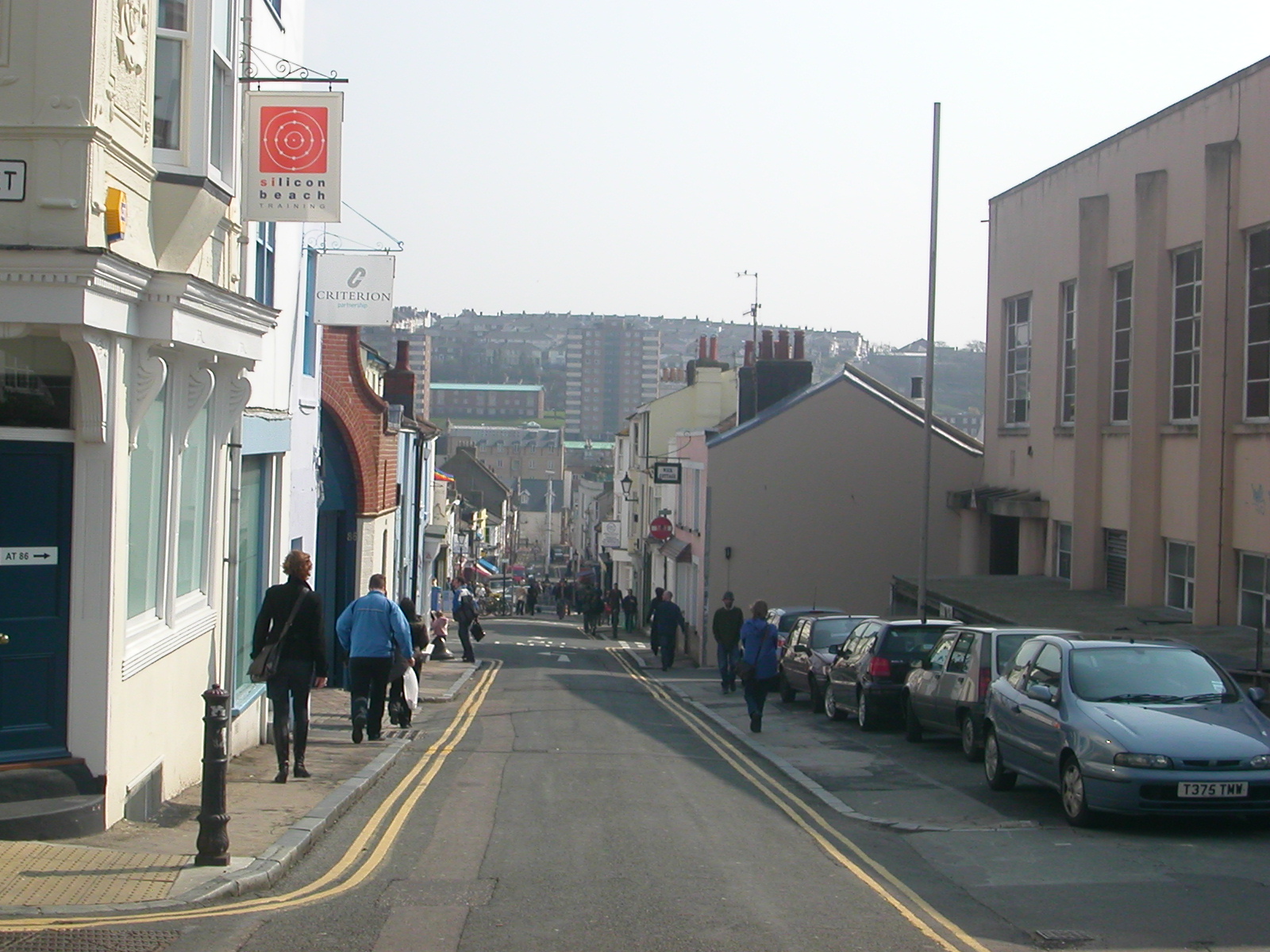
A vibrant, inclusive neighbourhood east of the city centre — home to Brighton's famous LGBTQ+ scene, independent bars and restaurants, and a strong community spirit. Hugely popular with students who want to live in the thick of Brighton's distinctive culture.

Vibrant & Inclusive
📍 20 min walk to University of Brighton City Campus
LGBTQ+ scene Independent bars Seafront access Community feel
Preston Park

Preston Park

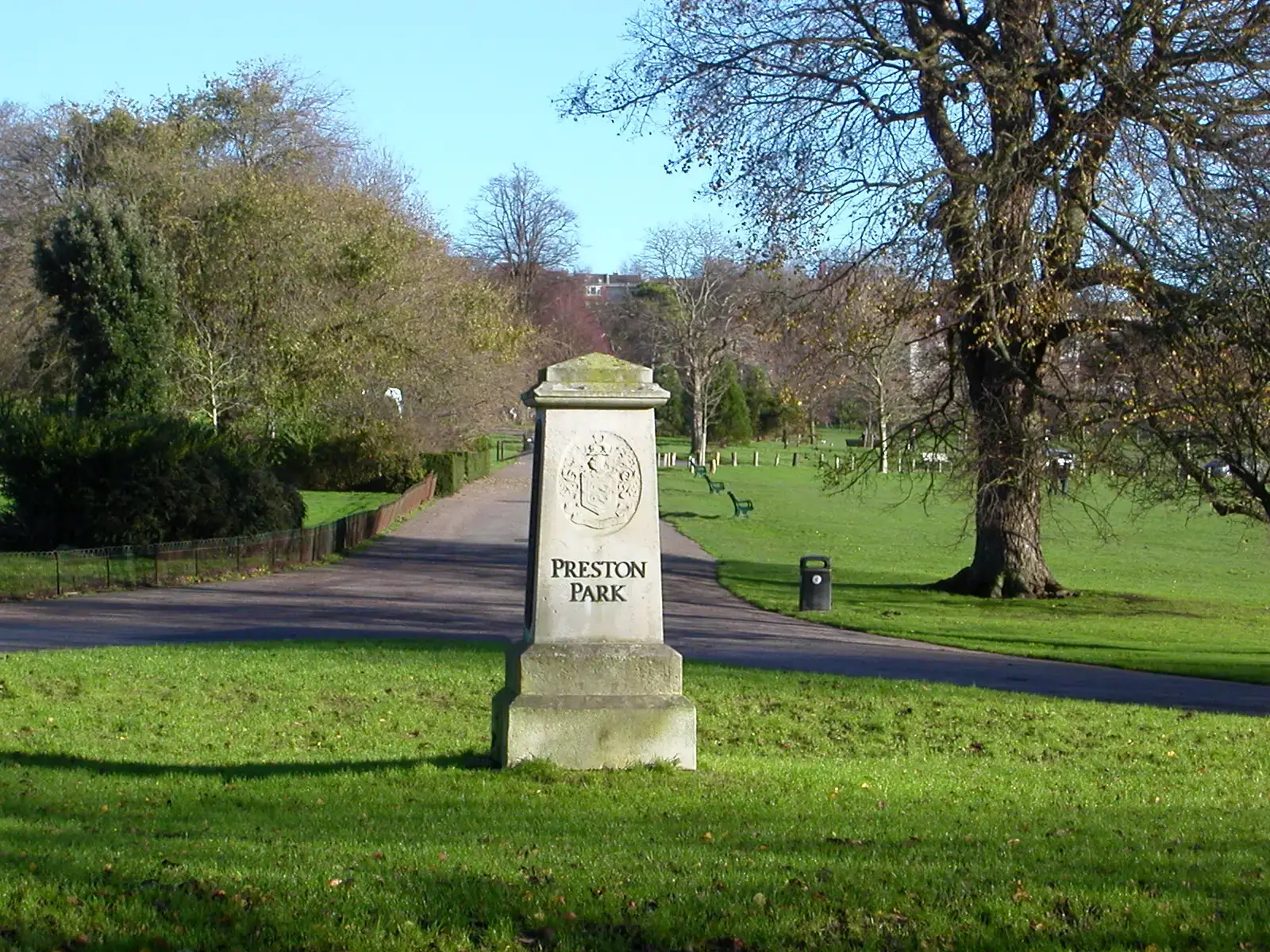
A leafy, residential neighbourhood north of the city centre — popular with students looking for more space and slightly lower rents than central Brighton. Great cafés, easy train links, and a relaxed community atmosphere make it ideal for second and third-year students.

Leafy & Residential
📍 20 min cycle to University of Brighton
More affordable Great park Train links Quieter streets
Moulsecoomb

Moulsecoomb

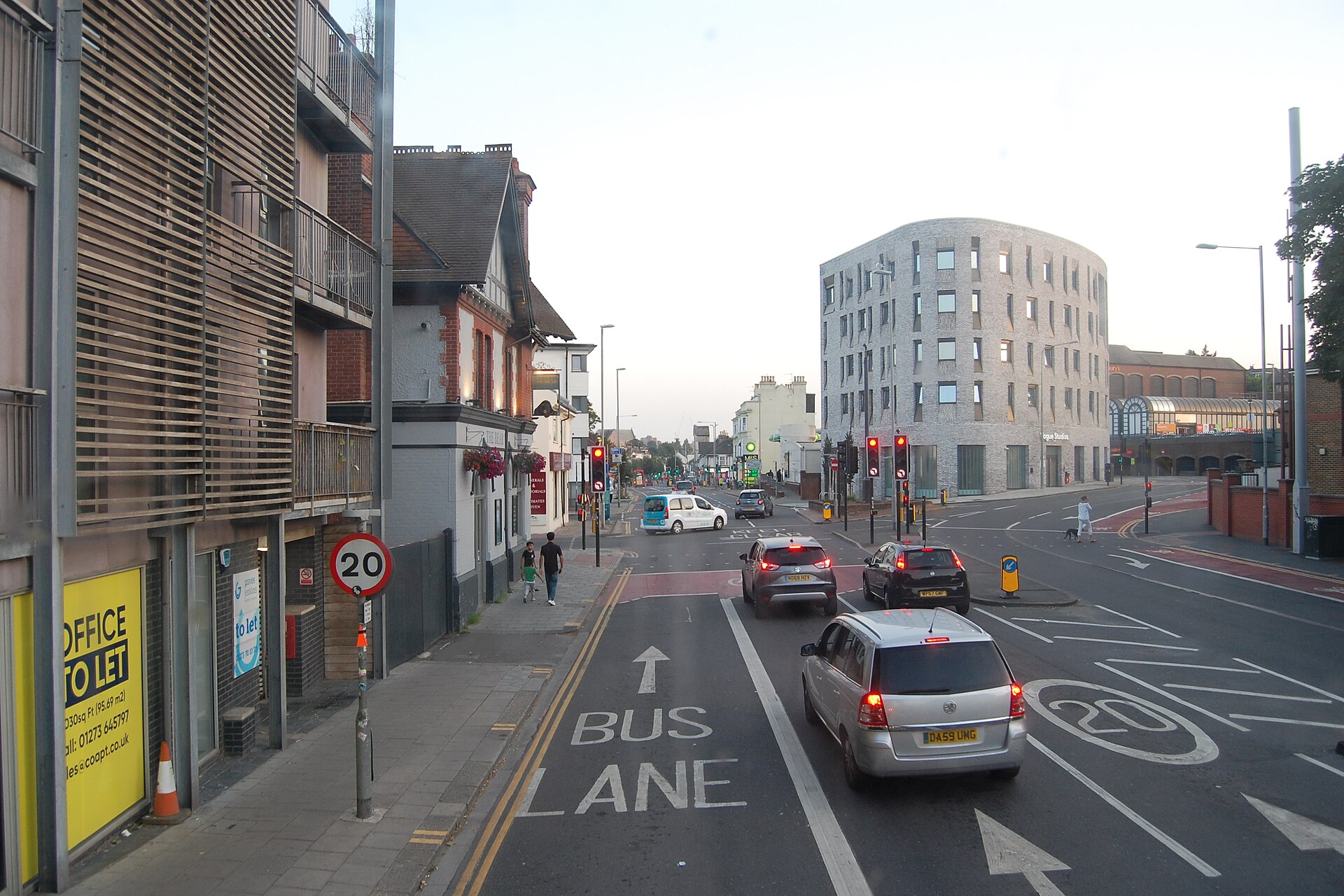
Brighton's most affordable student neighbourhood — home to the University of Brighton's Moulsecoomb Campus, with the cheapest rents in the city and good bus links into the centre. Practical and popular with students who want to be close to campus without city-centre prices.

Budget-Friendly & Campus-Adjacent
📍 5 min walk to University of Brighton Moulsecoomb Campus
Cheapest rents Next to campus Good bus links Student community
Falmer

Falmer & Lewes Road

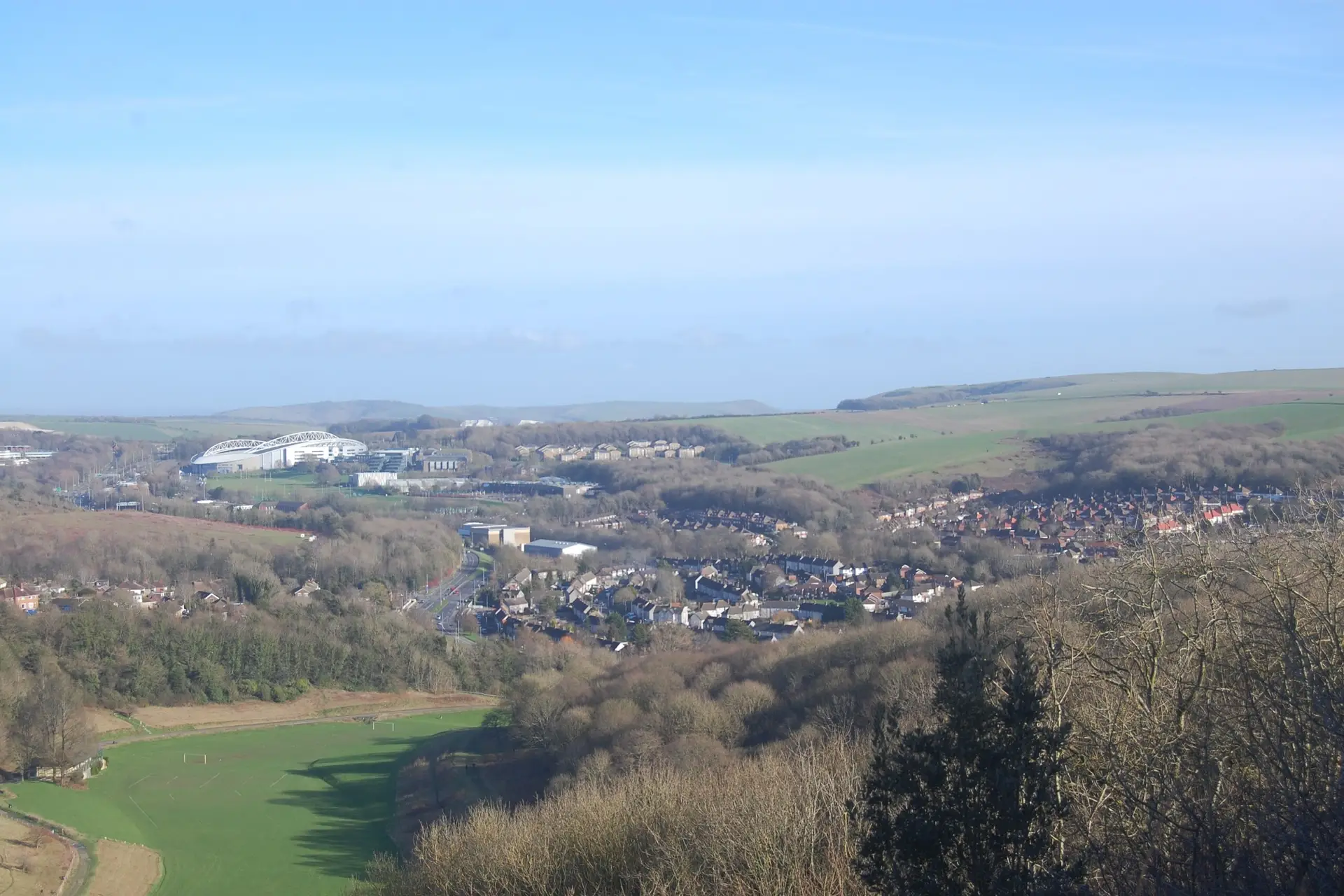
The natural home for University of Sussex students — Falmer village is right on campus, while the Lewes Road corridor connects Sussex students to Brighton city centre in just 10 minutes by train or bus. Well-priced terraced housing and a strong student community.

Campus-Adjacent & Well-Connected
📍 5 min walk to University of Sussex
On-campus feel South Downs views 10 min to Brighton Student community
Hove

Hove

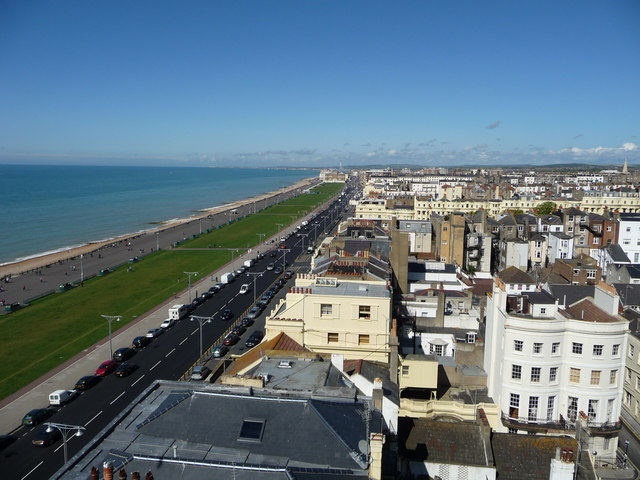
The calmer, more residential western neighbour to Brighton — known for its wide seafront lawns, independent restaurants on Church Road, and a relaxed atmosphere. Popular with postgrads, mature students, and those who want Brighton's benefits with a quieter, more grown-up feel.

Calm & Sophisticated
📍 25 min bus to University of Brighton City Campus
Seafront lawns Independent restaurants Quieter vibe Postgrad favourite

Find your perfect student home

Everything you need to know about student accommodation in Brighton.

Brighton Student Housing Types | Unifresher
University Halls

University Halls

£650–950/month
Best for: First-year students at University of Brighton & University of Sussex

✅ Pros

  • Bills included
  • Meet freshers
  • On or near campus
  • Secure & social

⚠️ Cons

  • Limited availability
  • Less independence
  • Can be noisy

Shared Houses

Shared Houses

£700–950/month
Best for: 2nd & 3rd year students

✅ Pros

  • Choose housemates
  • More space
  • Kemptown, Preston Park & Hove
  • Real Brighton feel

⚠️ Cons

  • Bills separate
  • Very competitive market
  • Expensive vs other cities

Private Student Housing

Private Student Housing

£850–1,150/month
Best for: Students wanting convenience & modern facilities

✅ Pros

  • Modern facilities
  • Bills often included
  • Social events
  • City centre options

⚠️ Cons

  • Most expensive option
  • Fixed term contracts
  • Less character

When to start looking

Secure your student accommodation using these four steps the year before moving in.

When to Start Looking | Unifresher
🔍
September – December

Start researching areas and viewing properties for next year. Get a feel for the market before competition heats up.

Step 1 of 4
🏠
January – March

Peak house hunting season — the best properties go fast. View, decide, and secure your place early!

Step 2 of 4
✍️
April – May

Last chance to secure places and sign contracts. Don't leave it any later — good options will be gone.

Step 3 of 4
📦
June – August

Finalise details, arrange deposits, and prepare to move in. Summer admin sorted before the new year starts.

Step 4 of 4

Where to search for accommodation

The best websites and resources for finding student housing in Brighton — from official university portals to local letting agents.

Where to Search | Unifresher Brighton
Brighton Student Budget Calculator | Unifresher

Calculate your student budget

Get a realistic estimate of living costs in Brighton with our interactive calculator

Adjust Your Expenses

🏠
Rentper month
£820
£650£1,150
🛒
Groceriesper month
£160
£80£300
🚌
Transportper month
£55
£0£130
Eating Outper month
£120
£0£300
📶
Utilities & Billsper month
£90
£30£180
🎉
Entertainmentper month
£100
£0£250
£700–£950
Average rent in Brighton
£40–£65
Weekly grocery budget

Explore our Brighton guides

From the best student nights out to walking routes around the town, get to know Brighton with our range of guides written by local students.

Want to see a specific Brighton guide? Suggest an idea or join our team of student contributors

For parents and carers

For Parents | Unifresher Brighton

Everything you need to know about Brighton as a student city

Whether your child is considering studying in Brighton or already enrolled, this guide covers costs, safety, accommodation, and what life is really like as a student in one of the UK's most unique and exciting seaside cities.

✅ Research-led & creative unis 🌊 Vibrant seaside student city 🚆 50 min to London 🏆 University of Sussex Global Top 200
💷 £700–£950 Average monthly rent — bursaries available at both unis
🚆 50–60 min To London Victoria by direct train
🎓 2 unis University of Brighton (TEF Silver) & University of Sussex
🌍 130+ Countries represented at the University of Sussex
🏠

Student Accommodation

Both universities guarantee first-year students on-campus or managed accommodation. The University of Brighton has halls across Moulsecoomb and its city campuses. Sussex has extensive halls on the self-contained Falmer campus. From second year, most students move to shared houses in Kemptown, Preston Park, or the Lewes Road area.

💰

Cost of Living

Brighton is one of the more expensive UK student cities — comparable to Edinburgh and more expensive than Bristol or Bath, though still significantly cheaper than London. Rent is the biggest cost, averaging £700–£950/month. Both universities offer bursaries and scholarships, and areas like Moulsecoomb and Preston Park offer more affordable options than central Brighton.

🎓

Universities in Brighton

Brighton has two excellent universities. The University of Sussex is globally ranked (top 200) and known for social sciences, psychology, law, and media — with a stunning campus on the South Downs. The University of Brighton is TEF Silver, celebrated for creative arts, design, health, and sport, with multiple city campuses.

University of Sussex parent guide →
🤝

Student Support Services

Both universities provide counselling, mental health advisors, financial hardship funds, disability services, and academic mentoring. The University of Sussex has a dedicated student support centre and strong college welfare system. Brighton's SU is active and inclusive, with mental health and money advice teams on both campuses.

University of Sussex wellbeing →
🗓️

Open Days

Parents are warmly welcomed at both Brighton university open days. Tour the campuses — Sussex's spectacular South Downs setting and Brighton's creative city campuses — and get honest answers about fees, courses, welfare support, and the student experience in one of the UK's most distinctive cities.

View Sussex open days →
🌆

Things to Do in Brighton

From the Royal Pavilion and Brighton Pier to the Lanes, North Laine's independent shops, the seafront, and a legendary live music and club scene — Brighton is genuinely extraordinary. The South Downs National Park is on the doorstep for walking and cycling, and London is 50 minutes away for parent visits.

Q Is Brighton safe for students?

Brighton is generally considered a safe and welcoming city — particularly known for its inclusive, open culture. Popular student areas like Kemptown, Preston Park, and the Falmer campus are well-established and safe. Both universities have active welfare and security teams. Brighton's strong sense of community — and the fact that students make up a significant part of the city's population — means there is a very visible and supportive student network throughout the city.

Q How much will my child need each month?

Typical monthly costs range from £1,200–£1,500 including rent, food, transport, and social life — making Brighton one of the pricier UK student cities outside London. Rent averages £700–£950/month. Both universities offer bursaries, and students living near campus (Moulsecoomb or Falmer) can keep costs meaningfully lower than those living in central Brighton or Hove.

Q What support is available if they're struggling?

Both universities provide counselling, mental health advisors, financial hardship funds, and academic support. The University of Sussex has a dedicated Student Life Centre and strong college welfare teams. Brighton's SU runs active mental health and wellbeing programmes. Brighton as a city also has a strong culture of openness and peer support that many students find genuinely helpful.

Q Can I visit my child easily?

Brighton is superbly connected to London — just 50 minutes from London Victoria by direct Southern or Thameslink train, with very frequent services throughout the day. When you visit, Brighton itself is a delight: the Royal Pavilion, the Lanes, the seafront and pier, and an extraordinary range of independent restaurants make parent weekends genuinely memorable. The South Downs is also right on the doorstep for a walk.

Attending an open day? Brighton has two great ones.

Both Brighton universities welcome parents at open days — tour the campuses, meet academic and welfare staff, and get honest answers about student life, fees, bursaries, graduate outcomes, and the support available.

Your questions answered

Everything you need to know about student life in Brighton.

Living in Brighton

Brighton is one of the more expensive UK student cities — comparable to Edinburgh and pricier than Bristol or Bath, though well below London. On average, students spend between £1,250 and £1,500/month including rent, food, transport, and social life. Rent is the biggest cost at £700–£950/month for a shared house. The University of Sussex advises budgeting around £40/week for socialising. Choose Moulsecoomb or Preston Park over central Brighton to keep costs down meaningfully.

Brighton is generally considered a safe and welcoming city, known particularly for its inclusive, open culture. Popular student areas like Kemptown, Preston Park, and the Falmer campus area are well-established and community-oriented. Both universities have active welfare and security teams. Brighton's large student population — and the city's proud identity as one of the UK's most progressive cities — means students from all backgrounds typically find it a welcoming and supportive place to live.

Brighton's nightlife is extraordinary for a city its size — widely regarded as one of the best in the UK. The seafront and Kemptown have iconic bars and clubs. The Laines area is packed with independent bars and late venues. Patterns, The Arch, and Concorde 2 are legendary venues for live music and club nights. Brighton is also famous for its LGBTQ+ nightlife scene, centred on Kemptown. Both SUs run regular student nights at subsidised prices throughout the year.


Student accommodation in Brighton

Start looking for private housing in Brighton in December or January for the following September — Brighton's rental market is very competitive, and popular areas like Kemptown and Preston Park fill up fast. Both universities guarantee first-year students on-campus or managed accommodation, so that's taken care of. From second year, form your house group before Christmas and begin viewings in January. Leaving it to spring is a significant risk in Brighton's constrained rental market.

University halls at Brighton and Sussex typically cost £650–£950/month including bills. Private shared houses in Kemptown and Preston Park average £700–£900/month per person. Moulsecoomb (close to Brighton's main campus) is cheaper at around £650–£800/month. Hove tends to be higher. Purpose-built student accommodation in the city centre runs £850–£1,150/month. Brighton is consistently more expensive than cities like Bristol, Bath, or Birmingham — budget accordingly.

North Laine is the creative heart of Brighton — eclectic, independent, and very student-friendly. Kemptown is vibrant and inclusive with great bars and seafront access. Preston Park is leafy and slightly more affordable. Moulsecoomb is the cheapest option and right next to Brighton's main campus. For Sussex students, Falmer and the Lewes Road corridor are ideal — 10 minutes from Brighton city centre by train. Hove is calm and sophisticated, popular with postgrads.

Getting around

Absolutely not — and parking in Brighton is expensive and very limited. Brighton & Hove Buses cover the whole city well, with frequent services connecting all student areas to both university campuses. Many students cycle — Brighton has a decent cycle network and relatively flat routes along the seafront. A multi-journey bus pass is well worth it. Brighton is also compact enough that many areas are walkable from the city centre, especially for University of Brighton students.

Brighton is superbly connected to London — just 50 minutes from London Victoria by direct Southern or Thameslink train, with very frequent services throughout the day. Gatwick Airport is just 30 minutes away. Southampton is around 90 minutes. Bristol is under 3 hours. With a 16–25 Railcard, fares drop significantly — and the fast, frequent London service makes weekend trips home or days out to the capital very easy.

Brighton & Hove Buses run frequent services across the city, connecting all student areas to both university campuses. The number 25 and 29 buses are particularly useful for connecting Kemptown and Moulsecoomb. For Sussex students at Falmer, the train to Brighton takes just 10 minutes with regular services throughout the day. Brighton train station is central and gives direct access to London, Gatwick, and the wider rail network. Day and weekly bus passes offer excellent value for regular users.

Student life

Yes — your NUS/TOTUM card gets discounts across Brighton's shops, restaurants, and services. A 16–25 Railcard saves a third on all fares including the frequent London services. Brighton Museum & Art Gallery is free — a genuinely world-class collection. Both SUs run heavily subsidised events, clubs, and food throughout the year. The Open Market in London Road offers affordable fresh produce. Many independent cafés and bars in North Laine and Kemptown also offer student deals.

Brighton has a vibrant hospitality and retail economy — ideal for flexible part-time work. The seafront, Lanes, and North Laine all offer extensive bar, café, and restaurant jobs. The city's thriving events and arts scene creates opportunities in venues, festivals, and creative roles. Both universities have active careers services and on-campus roles. Brighton's tourism economy also means seasonal work can be very well paid, particularly in summer. The proximity to London also opens up some remote or commuter-friendly opportunities.

Brighton is genuinely exceptional for non-nightlife activity. The Royal Pavilion, Brighton Museum, and the i360 observation tower are world-class. The seafront and pier offer year-round enjoyment. The South Downs National Park — literally on the city's doorstep — is perfect for hiking and cycling. The Lanes and North Laine have extraordinary independent shopping. Both universities have 100+ student societies. London is 50 minutes away for days out, and Lewes, Eastbourne, and the Seven Sisters coastline are easily reachable.

For the right person, Brighton is one of the best student cities in the UK — full stop. It offers a unique combination of excellent universities, world-class nightlife, genuine cultural richness, an incredibly inclusive community, and 50 minutes to London. The cost is higher than Northern cities or Birmingham, and the rental market is competitive — but students consistently describe Brighton as a place that changes them for the better. The city's creative energy, openness, and beauty make three years here feel genuinely special.

Studying

The University of Sussex is globally ranked (top 200) and particularly celebrated for social sciences, psychology, media studies, law, and politics — with strong research output and an internationally diverse community. The University of Brighton is TEF Silver and known for its creative arts, graphic design, architecture, nursing, sport science, and education programmes — with multiple campuses embedded in the city and strong graduate employment rates across most subjects.


Yes — both offer genuinely good education in their respective strengths. The University of Sussex is a research-intensive institution with a global reputation, particularly in humanities, social sciences, and sciences. The University of Brighton is a strong modern university with TEF Silver, around 85% graduate employment, and a reputation for excellent applied and creative education. Both have active Students' Unions, strong welfare provisions, and benefit enormously from the extraordinary city they're set in.

The University of Sussex is moderately to highly competitive — most offers require BBB to AAA at A-Level depending on the course, with popular subjects like Psychology, Law, and Politics being selective. The University of Brighton is more accessible, with typical requirements ranging from CCC to ABB depending on the subject. Both universities hold open days where you can get direct admissions guidance from relevant academic departments — well worth attending before applying.

CODE:

BHCJKS6mSGH

Updated Weekly

View Our Latest Deals