Home » Cities » Manchester » To Do
Discover the best universities, events, and experiences that make Manchester the perfect city for students
Manchester is home to five prestigious institutions offering exceptional education and student experiences.
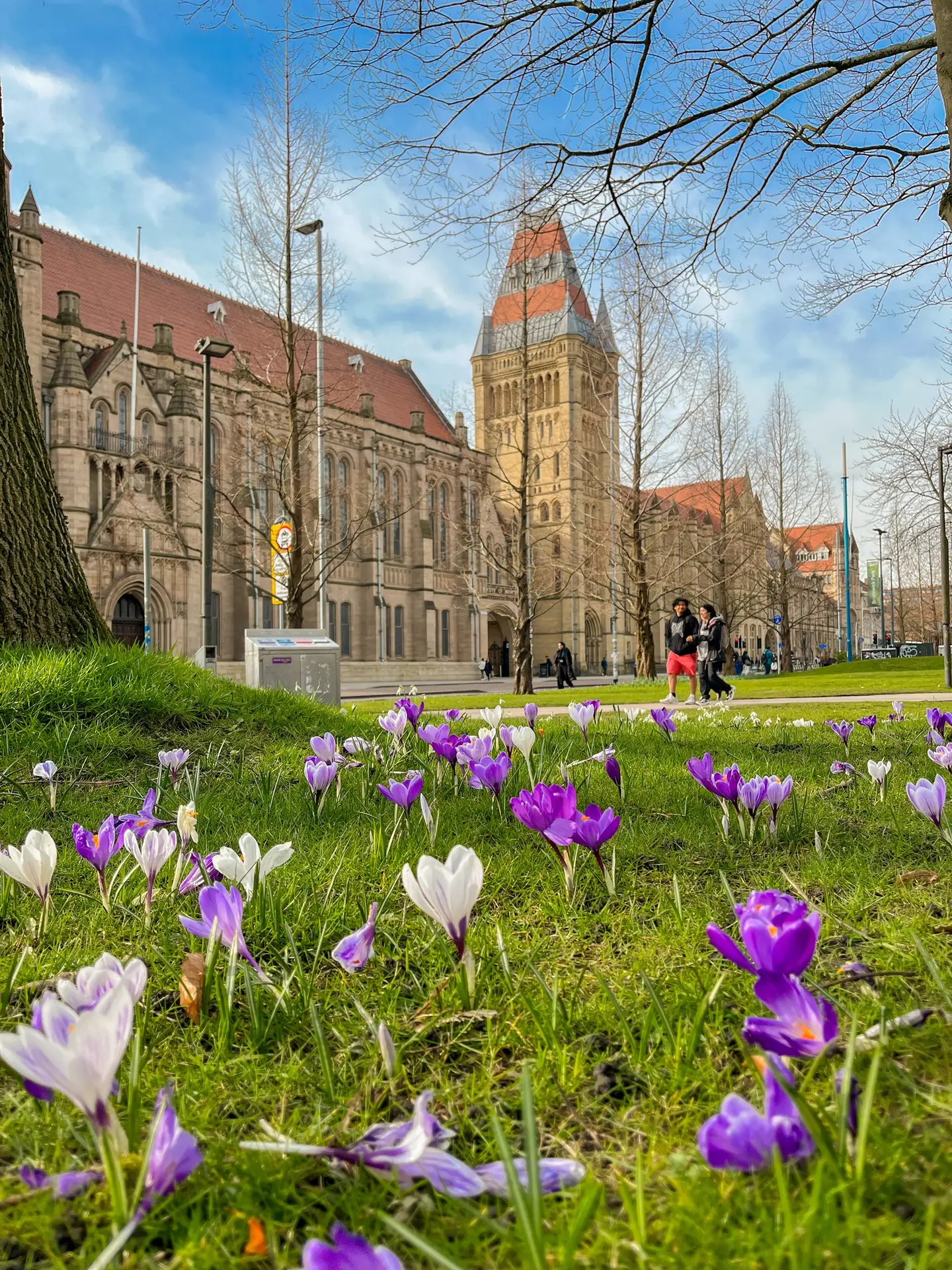
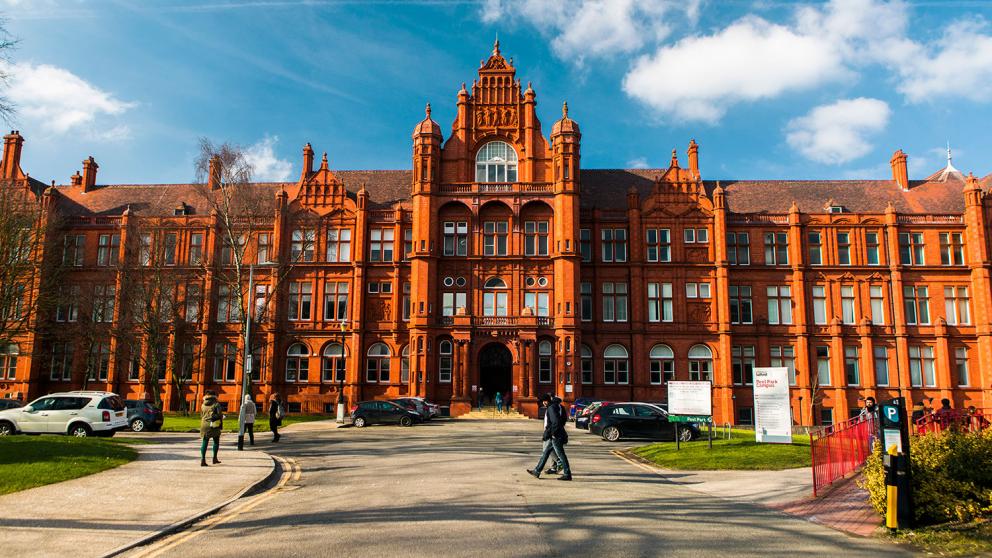
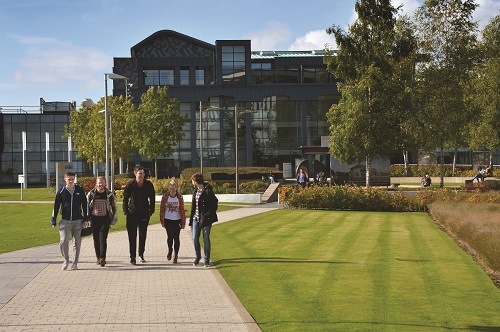
The University of Manchester is consistently ranked in the global top 50 — a prestigious Russell Group institution with 25 Nobel Prize winners among alumni and staff, exceptional strength across science, engineering, medicine, business, law, and the arts, and a campus that is one of the finest in the UK. Manchester itself is widely regarded as one of the world's great student cities.

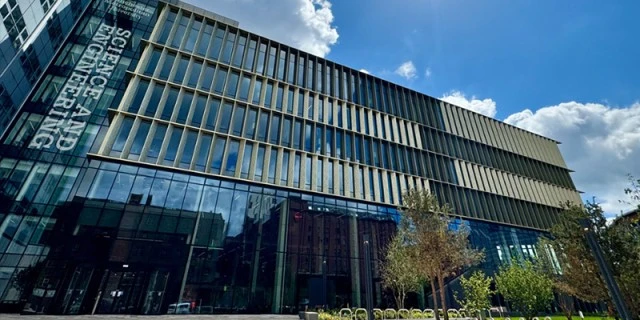
Manchester is ranked in the global top 50 and consistently in the UK's top 10 — a Russell Group institution with world-class research across science, engineering, medicine, business, law, and humanities. 25 Nobel Prize winners among alumni and staff. The first programmable computer, the splitting of the atom, and graphene were all discovered here. Research-led teaching means students work alongside genuinely world-leading academics.

Manchester is consistently ranked the UK's best student city outside London — world-class music (The Haçienda, Warehouse Project, Manchester Arena), two Premier League clubs, the Arndale, and some of the UK's finest independent bars and restaurants. The Oxford Road Corridor is the most concentrated academic district in Europe. Liverpool is 35 minutes. Leeds is 55 minutes. London is under 2 hours. The Peak District is 40 minutes.

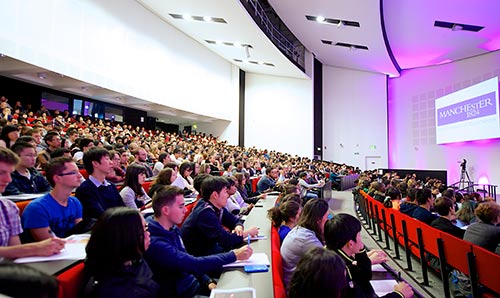
With 40,000+ students from over 170 countries, Manchester has one of the UK's most diverse and vibrant student communities. The Students' Union is one of the largest and most active in Europe — with 300+ societies, its own bar, and a legendary social programme. Manchester's five-university ecosystem creates a combined student population of over 100,000 — the densest student city in the UK outside London.

Manchester is significantly cheaper than London while offering comparable or better nightlife, music, and culture. Average rent runs £550–£850/month — well below London Russell Group equivalents. The city's independent food and bar scene is outstanding value. Fallowfield, Withington, and Didsbury offer the best student-area value. London is under 2 hours by Avanti — a 16–25 Railcard makes it easily viable for work and weekends.
Manchester Metropolitan University holds TEF Silver and is ranked among the UK's leading modern universities — a large, diverse institution at the heart of Manchester city centre, with excellent programmes in art and design, sport science, business, law, nursing, and education, and a student experience woven into the fabric of the UK's greatest non-London student city.

MMU holds TEF Silver and is consistently strong in art and design (the Manchester School of Art is world-renowned), sport science, business, law, nursing, and architecture. Industry placement years are built into most courses — MMU's connections with Manchester's creative, media, and business sectors are exceptional. Excellent graduate employment outcomes, particularly in creative industries, healthcare, and sport.

MMU's All Saints campus sits directly on Oxford Road — the centre of Manchester's extraordinary student district. UoM is a 5-minute walk. The city centre, Northern Quarter, Ancoats, and Deansgate are immediately accessible. Manchester's world-class music venues, restaurants, and nightlife are on the doorstep. The campus has recently had over £400m invested in new buildings and facilities.

With 38,000+ students, MMU is one of the UK's largest universities — and its student community is among the most diverse, with students from across the UK and internationally. The Students' Union is large and active. MMU and UoM students mix freely across Manchester's bars, venues, and clubs — the combined student scene of over 100,000 students makes Manchester's social life genuinely unmatched outside London.

MMU offers competitive tuition fees alongside Manchester's excellent-value student life. Average rent runs £500–£800/month — significantly cheaper than London for equivalent quality. Fallowfield, Withington, and Hulme are popular, affordable student areas. Excellent part-time job market across Manchester's creative, hospitality, and business sectors. London is under 2 hours for expanded career opportunities.
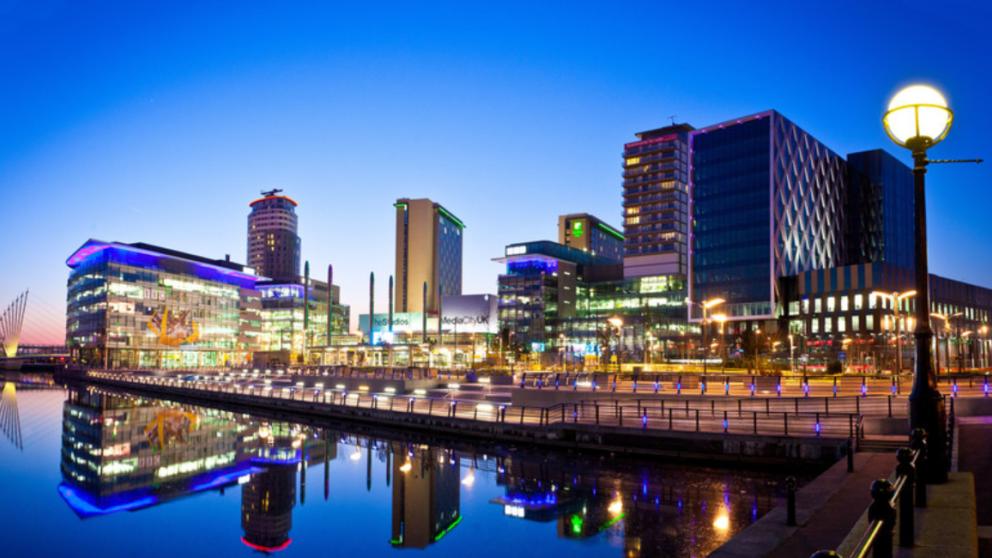
The University of Salford holds TEF Silver and is uniquely positioned at MediaCityUK alongside the BBC and ITV — making it the UK's premier destination for media, journalism, film, television, and digital technology degrees. Also outstanding for engineering, health sciences, and business, with a modern Salford campus a short tram ride from Manchester city centre.

Salford holds TEF Silver and is uniquely positioned for media, journalism, and film students — the MediaCityUK campus puts students in the same complex as the BBC and ITV, with practitioner lecturers, live industry briefs, and unparalleled work placement opportunities. Engineering and health sciences are also strong, with outstanding industry links across Greater Manchester's manufacturing and NHS sectors.

Salford has two campuses — MediaCityUK (Salford Quays, alongside BBC Studios, ITV, dock10, and the Imperial War Museum North) and the main Salford Crescent campus minutes from Manchester city centre by Metrolink. Manchester's extraordinary student city is directly accessible. Salford itself has been transformed by the MediaCityUK development into one of Greater Manchester's most exciting areas.

With 20,000+ students, Salford has a diverse and professionally ambitious community — particularly strong in creative and media disciplines. Students benefit from Greater Manchester's 100,000+ student ecosystem — sharing Manchester's bars, clubs, and cultural venues with UoM, MMU, and other university students. The MediaCityUK campus creates an unusually close industry-to-student connection.

Salford offers some of the most competitive rents in the Greater Manchester area — typical student house rents run £450–£700/month. The Metrolink tram puts Manchester city centre within 10–15 minutes. Competitive tuition fees, strong bursary support, and a growing part-time job market across media, tech, and NHS make Salford outstanding value for students wanting genuine industry proximity without London costs.
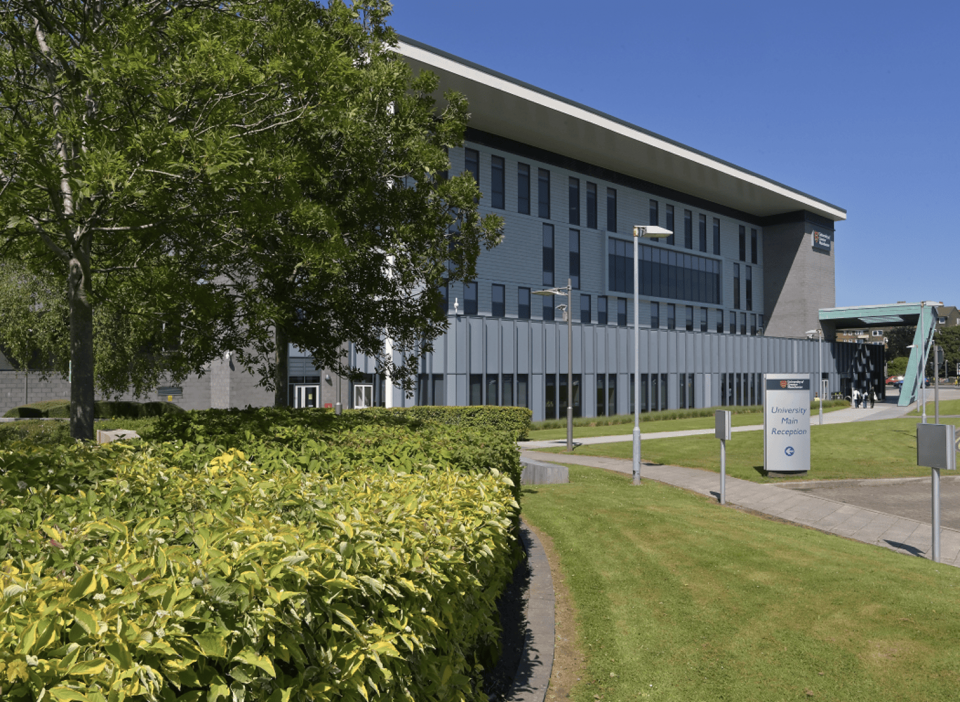
The University of Greater Manchester is one of the UK's smaller universities — a genuinely student-focused institution with a strong commitment to widening participation, outstanding vocational programmes in engineering, education, nursing, creative technologies, and sport, and a personal, supportive environment very different from the large city-centre universities nearby.

The University of Greater Manchester specialises in close-knit, practically-focused teaching with small class sizes and strong tutor-student relationships. Engineering, education, nursing, creative technologies, and sport are well-regarded with strong graduate employment outcomes. Its commitment to widening participation means it actively supports students from non-traditional backgrounds to succeed. An excellent choice for students who want personal support and a direct path to employment.

Bolton is a compact, affordable town with a friendly community feel — the university is in the town centre with easy access to everything. Manchester city centre is just 20 minutes by direct Northern Rail train, giving the University of Greater Manchester students full access to Manchester's extraordinary student city. The Peak District and West Pennine Moors are on the doorstep for outdoor activities.

With around 10,000 students, Bolton is small enough for staff and students to know each other genuinely — creating an unusually supportive and personal university environment. Students benefit from the broader Greater Manchester student ecosystem — Manchester's bars, venues, and clubs are 20 minutes away by train. Bolton's own town centre community is welcoming and inclusive.

Bolton offers the lowest rents in the Greater Manchester area — typical student rooms average £380–£580/month. The university offers very competitive tuition fees and strong bursary support. Manchester is 20 minutes away for entertainment, work, and social life. For students seeking maximum value without sacrificing access to a world-class student city, the University of Greater Manchester is an outstanding practical choice.

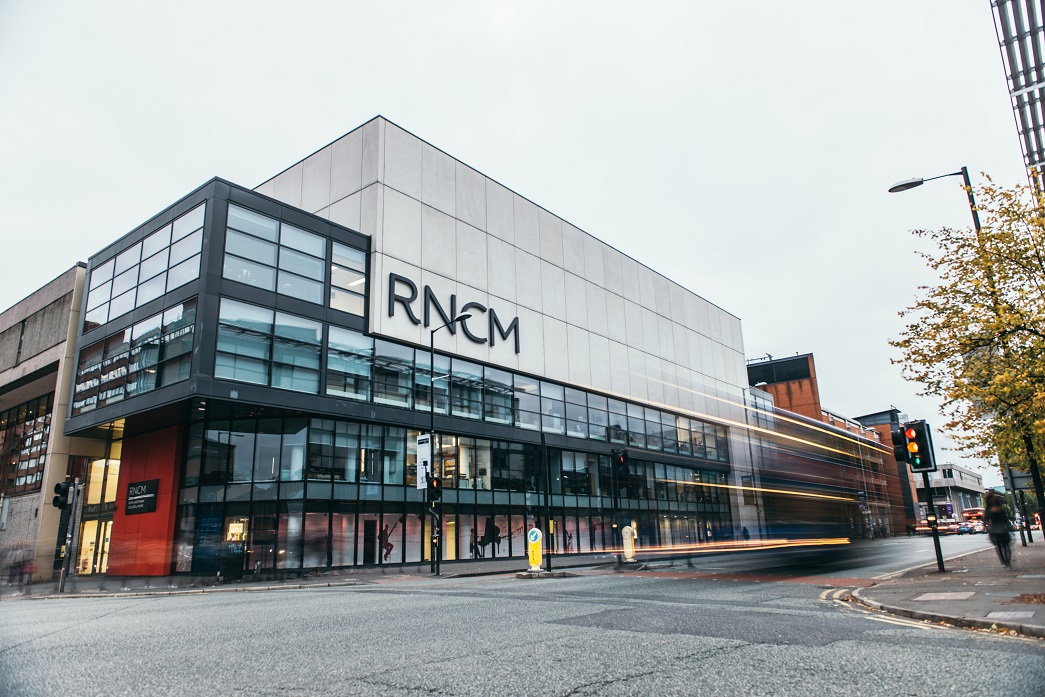
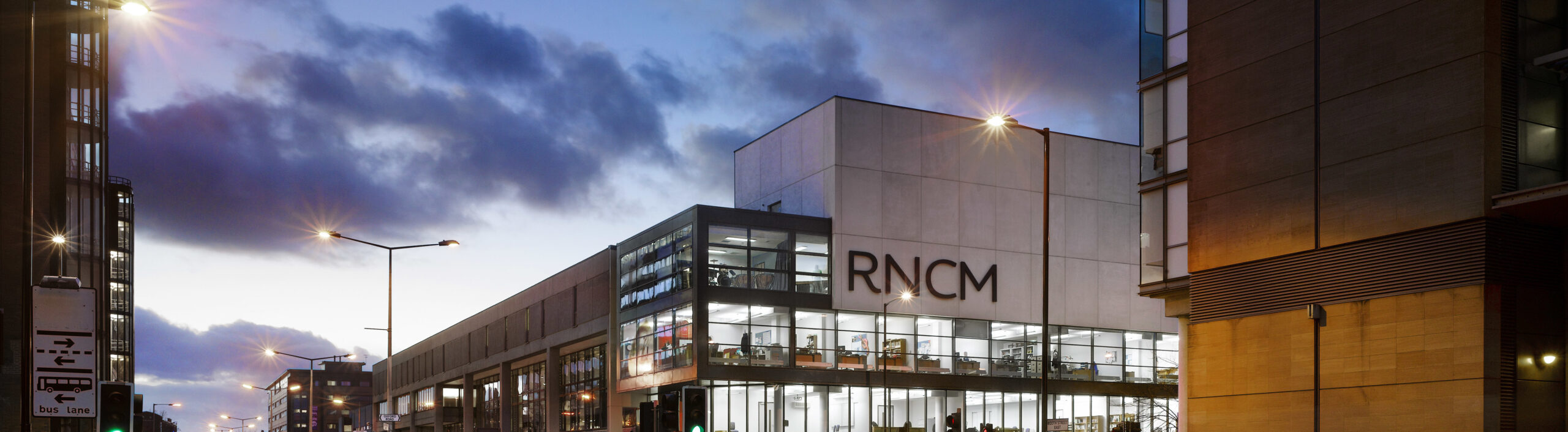
The Royal Northern College of Music is consistently ranked among the world's top 10 conservatoires — an intimate, elite institution on Oxford Road in central Manchester, offering world-class training in performance, composition, conducting, opera, and jazz, with extraordinary industry connections across the UK and international performing arts world.

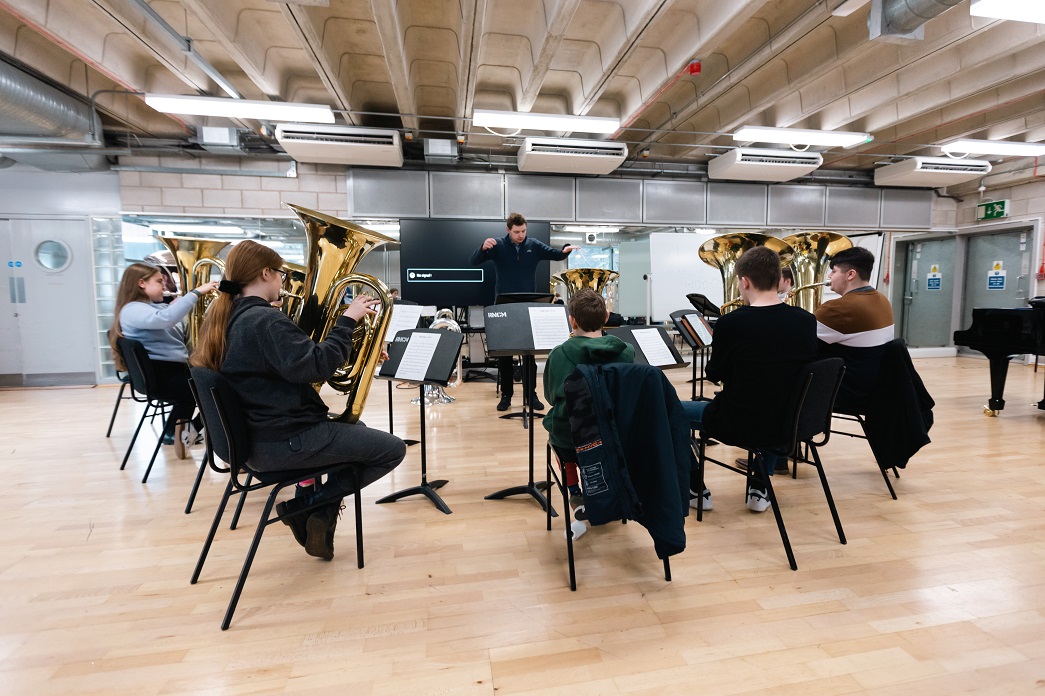
The RNCM is consistently ranked among the world's top 10 conservatoires — offering intensive, world-class training in performance, composition, opera, conducting, and jazz. Faculty are active performers of the highest international calibre. Students perform publicly in the RNCM's own concert hall throughout their training. Alumni appear in every major orchestra, opera house, and recording studio in the world. Audition-based entry means every student is a serious, committed musician.

The RNCM sits on Oxford Road alongside UoM and MMU — at the centre of one of Europe's most concentrated academic and cultural districts. Manchester is the UK's music capital — Oasis, The Smiths, Joy Division, and The Stone Roses all emerged here, and the city's live music scene remains extraordinary. The Hallé Orchestra, Manchester Camerata, and BBC Philharmonic are all based in the city.

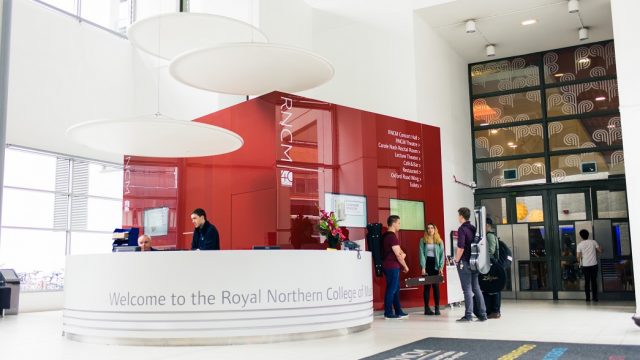
With around 800 students, the RNCM is intimate enough for a genuinely personal community — staff and students know each other, and the collaborative culture across performance, composition, and production is extraordinary. Students benefit fully from Manchester's wider student life — the UK's greatest non-London student city is literally on the doorstep. The RNCM's location on Oxford Road gives students access to 100,000+ fellow students.

Manchester's rents are significantly lower than London — typical student rooms near the RNCM average £550–£850/month. The RNCM offers scholarships and bursaries for talented students. Manchester's extraordinary student city — one of the UK's best value for nightlife, food, and culture — provides outstanding quality of life at a fraction of London's cost. London is under 2 hours for performances and industry connections.
Discover the best areas to live based on your budget, lifestyle and university.
Oxford Road
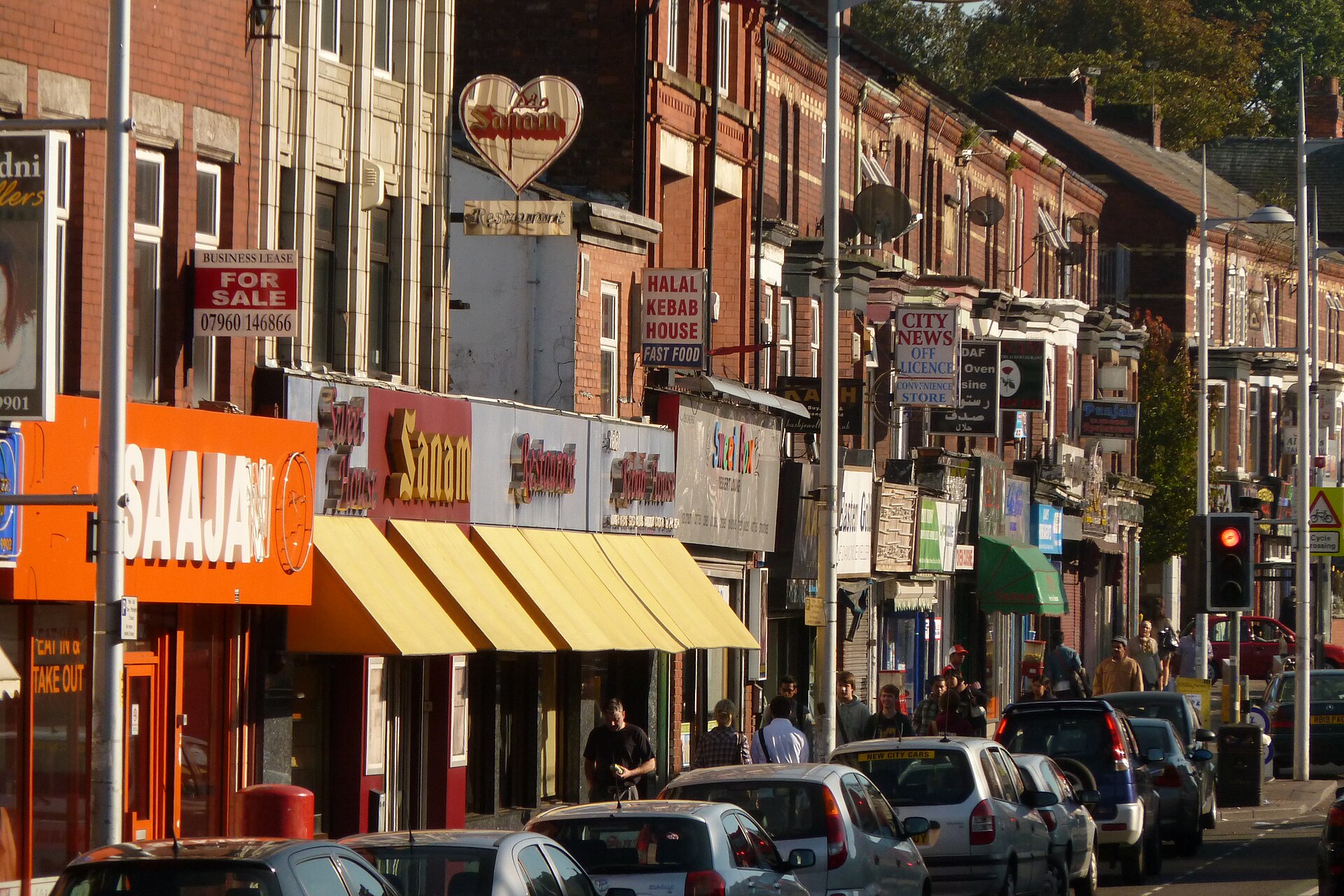
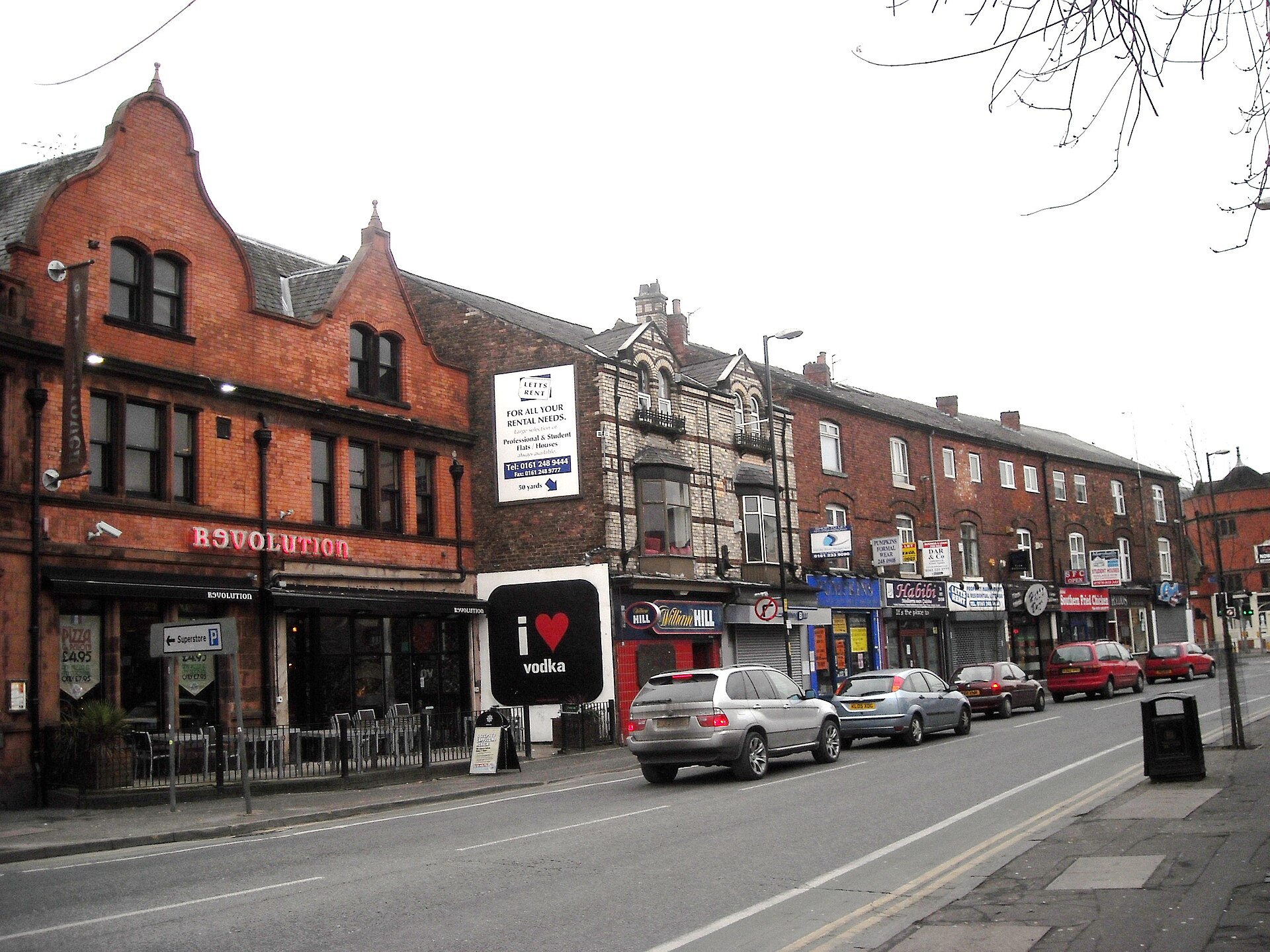
Home to the legendary Curry Mile — one of the UK's finest concentrations of South Asian restaurants and one of Manchester's most distinctive and vibrant streets. Rusholme sits directly on the Oxford Road Corridor, less than a mile from both UoM and MMU campuses. Moss Side borders it to the west and has been significantly regenerated. The area offers some of the best-value food of any student city in the UK, and excellent bus links to both campuses.
Oxford Road
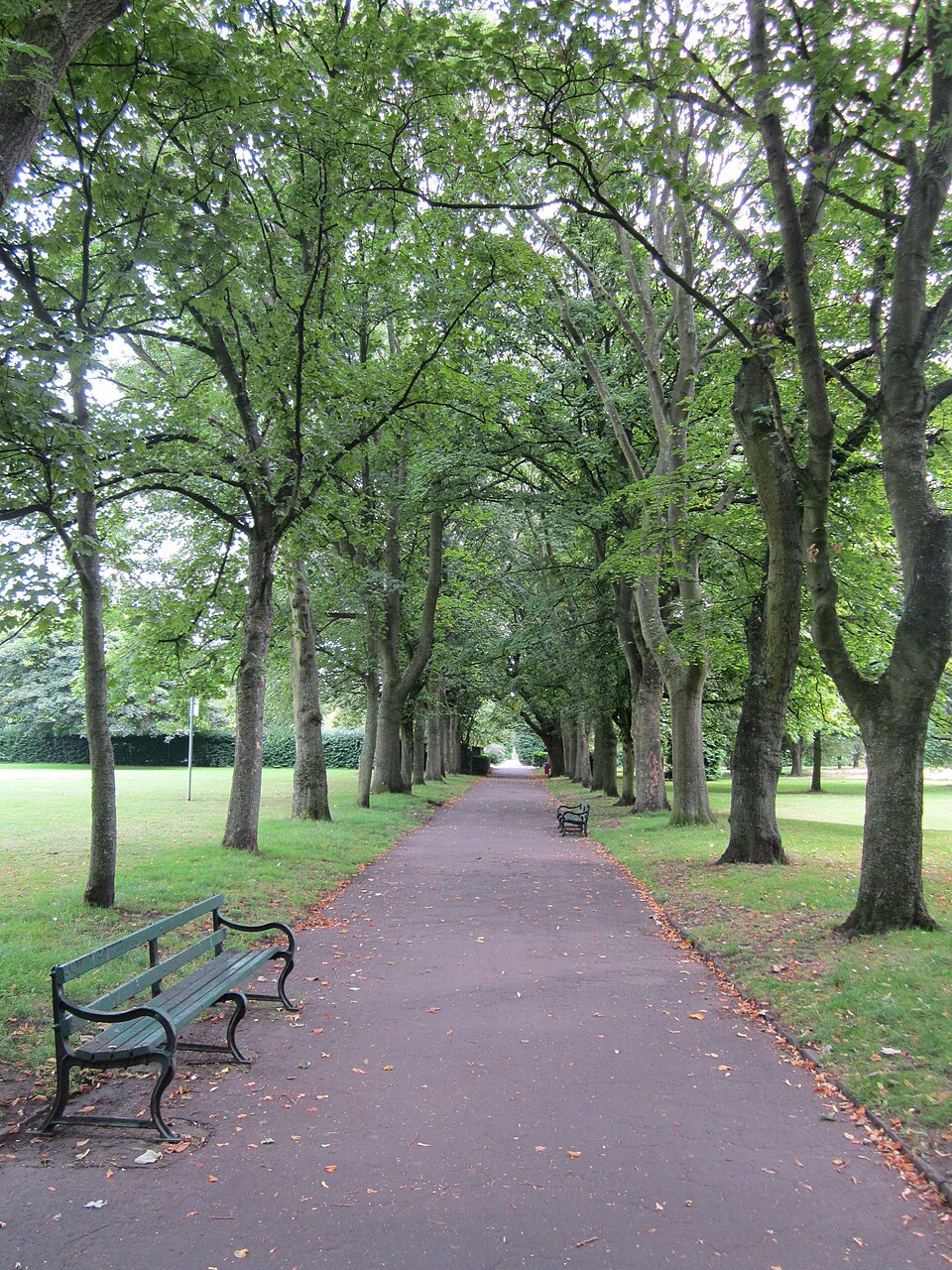
The most prestigious student neighbourhood in Manchester — a leafy, Victorian conservation area of grand semi-detached houses just south of UoM's campus. Very popular with postgrads, international students, and those wanting a quieter, more residential feel without sacrificing proximity to the university. Slightly more expensive than Fallowfield but significantly quieter. Walking distance to both UoM and MMU, and to Rusholme's Curry Mile. A genuinely beautiful part of Manchester.
South
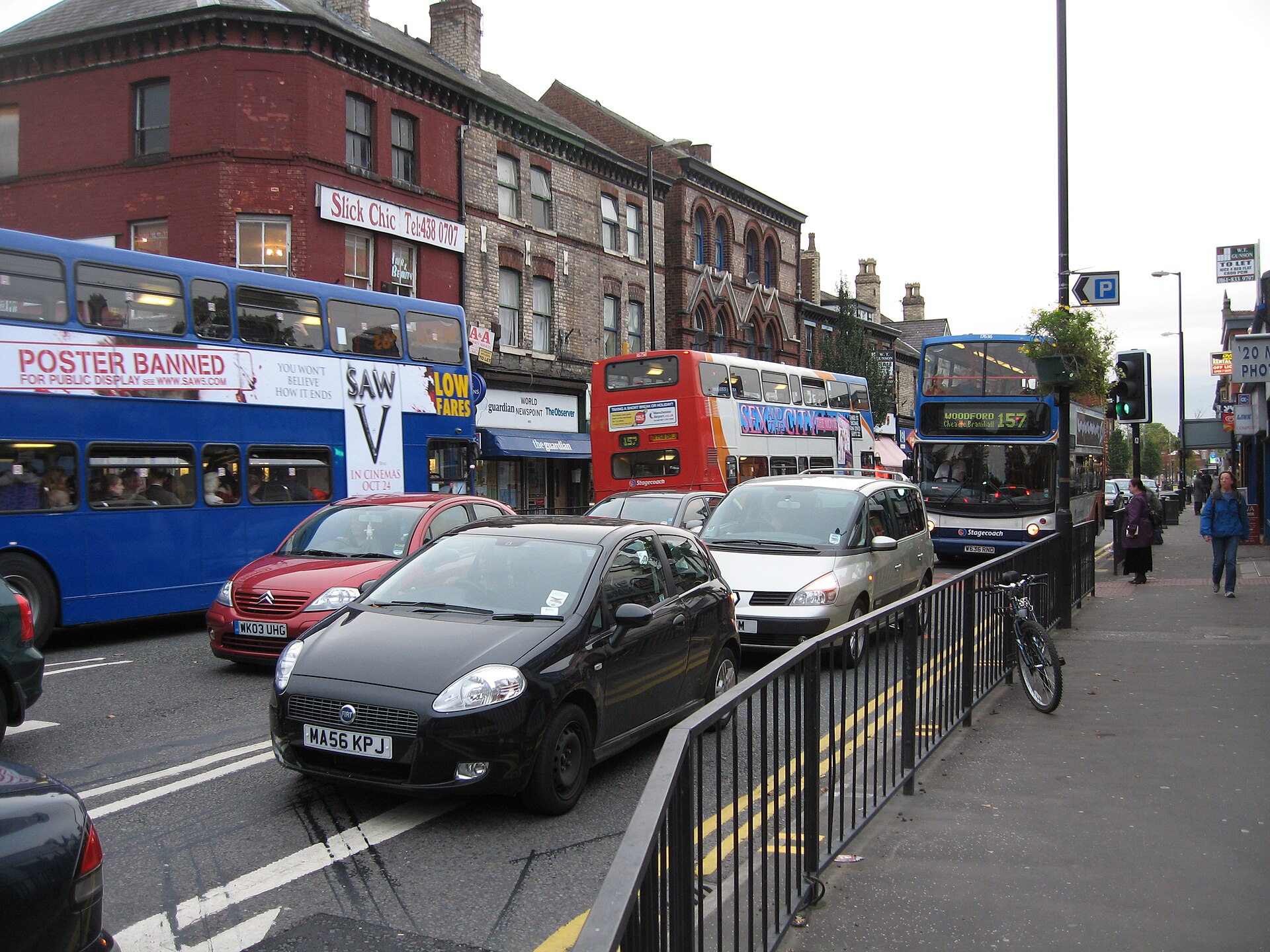
The heartland of Manchester student life — Fallowfield is the most popular student neighbourhood in the city, packed with student terraces, bars, takeaways, and the legendary Owens Park halls complex. Wilmslow Road runs through it as a student strip second only to Smithdown Road in Liverpool in terms of student energy. Enormous student community feel. Very popular with second and third year UoM students. The Fallowfield nightlife strip is a Manchester institution.
South
Fallowfield's slightly quieter, more characterful neighbour — Withington has an excellent independent café and bar scene on Copson Street, lower rents than Fallowfield, and a more grown-up, community-oriented feel. Popular with second and third year students, postgrads, and UoM students wanting a calmer alternative to Fallowfield's intensity. The Metrolink Didsbury line and buses connect easily to the city centre. Excellent value with Didsbury's restaurants a short walk south.
South
The closest neighbourhood to MMU's All Saints campus and a short walk from UoM — Hulme is affordable, diverse, and well-connected, with a strong community character shaped by Manchester's creative and social history. The area has seen significant regeneration and is popular with MMU students wanting to be close to campus without Fallowfield's party-house reputation. Hulme Market and Birchfields Park add to a neighbourhood with more character than it sometimes gets credit for.
City Centre
Manchester's most creative and characterful neighbourhood — independent record shops, vintage clothing, street food markets, coffee shops, and some of the UK's finest independent bars and live music venues, all in a compact, walkable area just north of the city centre. The natural choice for MMU art, design, and creative students who want to be embedded in the city's creative life from day one. More expensive than Fallowfield but the cultural premium is real. Ancoats — the New York-esque regenerated district — is adjacent.
City Centre
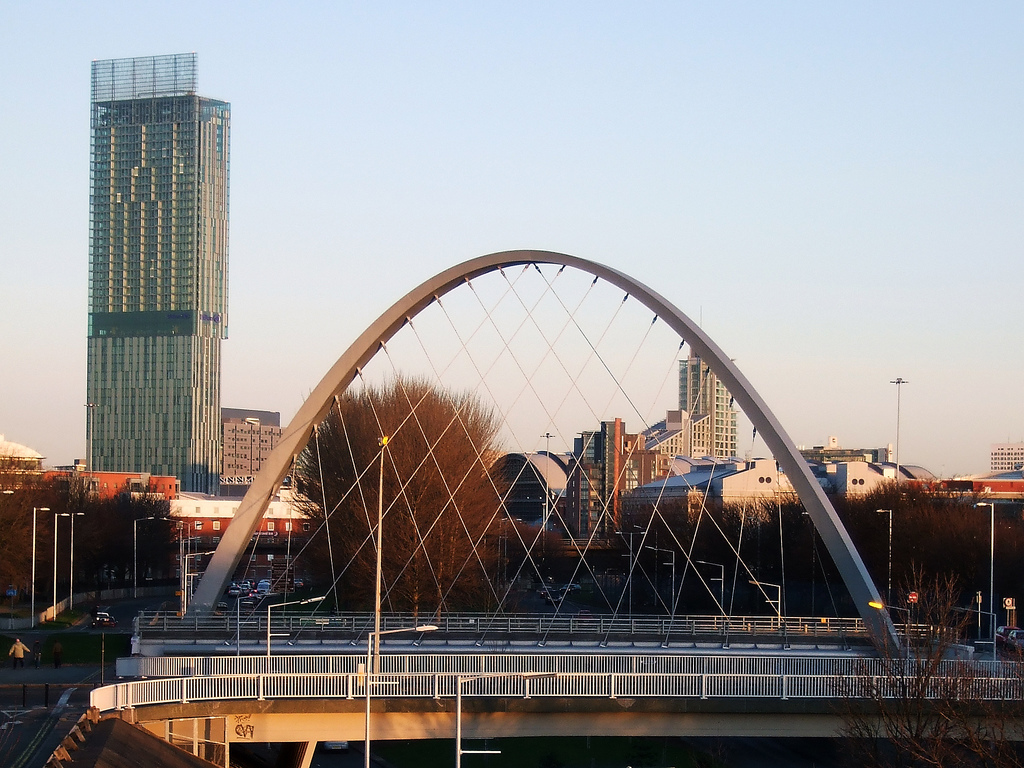
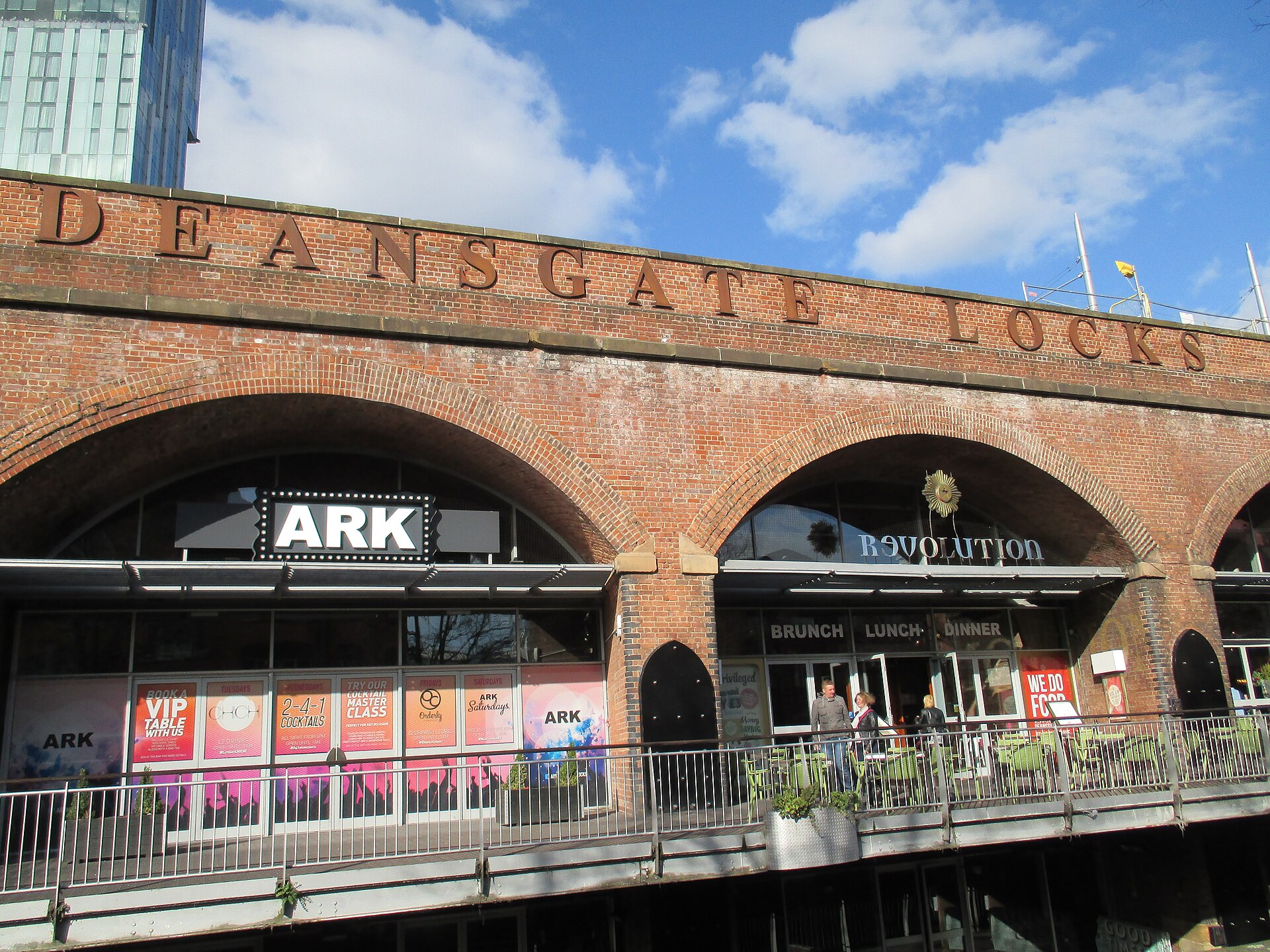
The premium city-centre choice — Deansgate is Manchester's most upmarket bar and restaurant strip, while Castlefield's Roman fort ruins, canal basin, and outdoor venue are genuinely beautiful. Primarily PBSA student accommodation rather than shared houses. More expensive than south Manchester student areas, but the bars, restaurants, and nightlife are immediately on the doorstep. Popular with international students and those who want the full city-centre experience from day one.
Salford
A transformed waterfront area built around the BBC and ITV studios — Salford Quays and MediaCityUK are now one of the most exciting parts of Greater Manchester, with purpose-built student accommodation, the Imperial War Museum North, The Lowry theatre and gallery, and the dock10 production studios all on the doorstep. The natural home for Salford University media and journalism students. Metrolink connects directly to Manchester city centre in around 15 minutes.
Salford
The area surrounding Salford University's main campus — compact, affordable, and very close to Manchester city centre. Salford Crescent station connects to Manchester Victoria in 4 minutes, making this one of the best-value locations in the entire Greater Manchester student area for city-centre access. Ordsall is undergoing major regeneration. Salford's rents are significantly lower than comparable Manchester city-centre areas, making it an outstanding value base for students at any Greater Manchester university.
Outer
Manchester's most desirable suburban village — Didsbury has an outstanding independent café, bar, and restaurant scene, beautiful Victorian housing, and a relaxed, grown-up character that makes it popular with postgrads and final-year students who want to escape the undergraduate intensity of Fallowfield. East Didsbury Metrolink stop connects to the city centre and to the airport. Rents are slightly higher than Withington but the quality of neighbourhood life justifies it.
Outer
The natural home for University of Bolton students — compact, affordable, and with a friendly town-centre community feel very different from the large city universities nearby. Bolton town centre has a growing food and bar scene and some of the lowest rents in Greater Manchester. Manchester city centre is just 20 minutes by direct Northern Rail. The West Pennine Moors are on the doorstep for outdoor escapes. An outstanding practical choice for students who want exceptional value.
Everything you need to know about student accommodation in Manchester.
Secure your student accommodation using these four steps the year before moving in.
Start researching areas and viewing properties for next year. Get a feel for the market before competition heats up.
Peak house hunting season — the best properties go fast. View, decide, and secure your place early!
Last chance to secure places and sign contracts. Don't leave it any later — good options will be gone.
Finalise details, arrange deposits, and prepare to move in. Summer admin sorted before the new year starts.
The best websites and resources for finding student housing in Manchester — from official university portals to local letting agents.
Our in-depth review of the top letting agencies in Manchester — rated for responsiveness, value, and student experience across Fallowfield, Withington, Hulme, and beyond.
The official UoM accommodation portal — covering university halls including Owens Park and Fallowfield Campus, and private sector guidance for returning students in Fallowfield, Withington, Victoria Park, and Rusholme.
Visit siteOfficial housing support for MMU students — covering halls near All Saints campus and private sector listings in Hulme, Fallowfield, and the Northern Quarter, close to MMU's campus network on Oxford Road.
Visit siteOfficial housing support for Salford students — covering halls at the main Salford Crescent campus and MediaCityUK, plus private sector guidance for students renting in Salford, Eccles, and across Greater Manchester.
Visit siteReputable nationwide student accommodation site with extensive Manchester listings — great for finding shared houses in Fallowfield, Withington, Hulme, Victoria Park, Rusholme, and Didsbury near all five Greater Manchester universities.
Visit siteStudent property search across Greater Manchester with thousands of listings. Filter by area, price, and bedrooms to compare Fallowfield, Withington, Hulme, Salford, and the city centre — and find the best rents for your university.
Visit siteSearch private rentals across Greater Manchester. Great for comparing prices from the traditional student areas of Fallowfield and Withington through to the more affordable Hulme, Salford, and Bolton — with full coverage of the Metrolink network.
Visit siteFind individual rooms in shared houses across Greater Manchester — ideal for joining an existing household in Fallowfield, Withington, Hulme, the Northern Quarter, or Salford near any of the five universities.
Visit sitePurpose-built student accommodation across Manchester city centre and the Oxford Road Corridor — modern en-suite rooms and studios within easy reach of UoM, MMU, and Salford campuses, with bills included.
Visit siteGet a realistic estimate of living costs in Manchester with our interactive calculator
From the best student nights out to walking routes around the town, get to know Manchester with our range of guides written by local students.
Whether your child is considering studying in Manchester or already enrolled, this guide covers costs, safety, accommodation, and what life is really like as a student in the UK's greatest non-London student city — and one of the most vibrant, culturally rich, and genuinely welcoming cities anywhere in the world.
All five universities guarantee or strongly support first-year students with on-campus or managed accommodation. From second year, most students move to shared terraced houses — particularly in Fallowfield and Withington for UoM students, Hulme and the Northern Quarter for MMU, and Salford for University of Salford students. Fallowfield fills very fast — students should start looking from November. Withington and Hulme offer excellent affordable alternatives. Victoria Park is the quieter, more prestigious option for UoM postgrads.
Manchester is significantly cheaper than London, Edinburgh, or Brighton — and consistently ranked the best-value major student city in the UK for the quality of experience available. Typical monthly costs run £1,000–£1,200 including rent, food, transport, and social life. Rent averages £480–£850/month — well below London equivalents. The city's extraordinary independent food, bar, and music scene is outstanding value. All five universities offer bursaries and scholarships for eligible students.
Greater Manchester has five distinct and complementary universities. The University of Manchester is a Russell Group institution in the global top 50 — with 25 Nobel Prize links, world-class research, and the UK's largest single-site student population. MMU is a leading modern university with outstanding creative and professional programmes. Salford is uniquely positioned at MediaCityUK alongside the BBC and ITV. Bolton offers personal, access-focused education. The RNCM is a world top-10 conservatoire.
University of Manchester open days →All five universities provide counselling, mental health advisors, financial hardship funds, disability services, and academic support. Manchester's five-university student community — over 100,000 students — creates an extraordinarily rich peer support network. The University of Manchester and MMU both have large, well-resourced students' unions. Manchester's famously warm and welcoming character means students from all backgrounds settle quickly — the city has been attracting students from across the UK and the world for over 150 years.
UoM student support →Parents are warmly welcomed at all five Manchester open days. Tour the University of Manchester's extraordinary campus on the Oxford Road Corridor, MMU's recently £400m-invested All Saints campus, Salford's unique MediaCityUK setting, Bolton's friendly town-centre campus, or the RNCM's dedicated concert hall facility. All five universities will answer detailed questions about fees, bursaries, welfare, placements, and graduate outcomes — and Manchester itself is one of the UK's most rewarding cities to visit.
Manchester Metropolitan open days →Manchester Art Gallery, the Science and Industry Museum, and the People's History Museum are all completely free. The Whitworth gallery is outstanding. The Royal Exchange Theatre, HOME, and the Hallé Orchestra are world-class cultural institutions. The Northern Quarter and Ancoats are among the UK's finest independent bar, café, and restaurant districts. The Curry Mile on Rusholme's Wilmslow Road is exceptional value. The Peak District is 40 minutes away. Liverpool is 35 minutes. London is under 2 hours for wider adventures.
Manchester is a safe and welcoming city for students — and widely regarded as one of the friendliest major UK cities. The main student areas — Fallowfield, Withington, Hulme, Victoria Park, and the Northern Quarter — are all well-established, well-policed, and community-oriented. All five universities have active welfare and security services. Manchester's diverse and inclusive character, combined with a student population of over 100,000, creates an environment where students from every background settle quickly. Normal city awareness applies as always, but Manchester's community spirit is genuinely warm.
Typical monthly costs range from £1,000–£1,200 including rent, food, transport, and social life — making Manchester significantly cheaper than London, Edinburgh, or Brighton for comparable quality. Rent averages £480–£850/month for a room in a shared terraced house. All five universities offer bursaries and scholarships. The Curry Mile and Northern Quarter provide world-class food at very affordable prices. Liverpool is 35 minutes and London under 2 hours — a 16–25 Railcard makes both viable for work, entertainment, and internship opportunities.
All five universities provide comprehensive counselling, mental health advisors, financial hardship funds, and academic support. The University of Manchester and MMU both have large, well-resourced students' unions with active welfare and advice services. Greater Manchester's 100,000+ student community creates one of the UK's strongest peer support networks outside London. The RNCM and Bolton's smaller communities offer particularly personal pastoral environments where staff genuinely know students individually.
Manchester is exceptionally well-connected for parent visits. London Euston is under 2 hours by Avanti West Coast — with very frequent services. Birmingham is under an hour. Edinburgh is under 3 hours. Manchester Piccadilly and Victoria stations are both in the city centre, minutes from all campuses. When you visit, Manchester rewards it generously: the Northern Quarter's restaurants, the Manchester Art Gallery, Old Trafford or the Etihad if you're a football fan, and some of the UK's finest live music venues. Manchester is a city that parents consistently love more than they expected.
All five Greater Manchester universities welcome parents at open days — tour the campuses, meet academic and welfare staff, and get honest answers about student life, fees, bursaries, graduate outcomes, and the support available in the UK's greatest student city outside London.
Everything you need to know about student life in Manchester.
Manchester is one of the UK's best-value major student cities — significantly cheaper than London and competitive with Liverpool for what you get in return. Total monthly costs typically run £1,000–£1,200 covering rent, food, transport, and social life. Rent averages £480–£850/month for a room in a shared terraced house — roughly half the equivalent London cost. The Curry Mile's exceptional South Asian food, the Northern Quarter's independent bars and cafés, and Didsbury's restaurant scene are all outstanding value. A 16–25 Railcard opens up Liverpool (35 min) and London (under 2 hrs) without breaking the budget.
Manchester is a safe and welcoming city for students — and widely regarded as one of the friendliest major UK cities. The main student areas — Fallowfield, Withington, Hulme, Victoria Park, and the Northern Quarter — are all well-established, well-lit, and community-oriented. All five universities have active welfare and security services. Manchester's over 100,000 students create an extraordinarily connected community where people look out for each other. Normal sensible city awareness applies, but Manchester's warmth and community character are genuinely distinctive — students from all over the UK and the world consistently say they felt at home quickly.
Manchester's nightlife is widely regarded as the best in the UK outside London — and arguably better than London for certain genres. The Warehouse Project is one of Europe's finest club nights. The Haçienda may be gone, but its spirit lives on in venues across the city. The Northern Quarter has an extraordinary concentration of independent bars and live music venues. Deansgate's more upmarket strip, Canal Street's LGBTQ+ scene, and the student nights across Fallowfield and Rusholme complete a picture that is genuinely world-class. All five students' unions run regular events. Manchester invented rave culture and continues to lead UK music.
First-year accommodation is guaranteed or strongly supported at all five universities — no private searching needed in year one. For private housing from second year, start looking in November. Fallowfield — Manchester's most popular student area — fills extremely fast, with the best houses going by December or January. Form your house group before the end of first term, start viewings in November, and aim to sign by January. Withington fills slightly later and offers better value. Hulme and the Northern Quarter are available longer. Victoria Park is popular with postgrads and can be searched a little later.
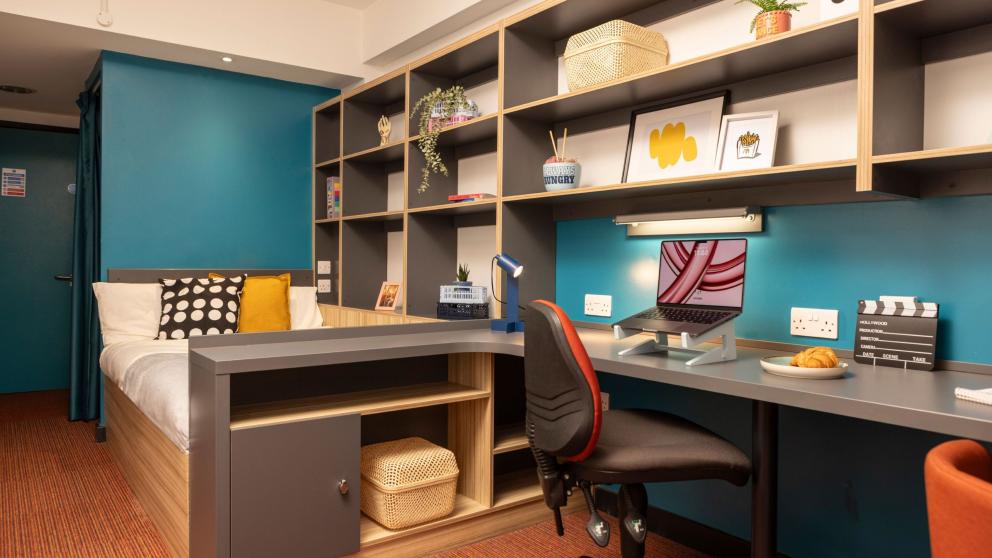
University halls typically cost £500–£850/month including bills — ranging from UoM's Owens Park and Fallowfield Campus halls to MMU and Salford's city-centre options. Shared terraced houses in Fallowfield and Withington average £500–£720/month per person excluding bills. More affordable options in Hulme and Salford run £380–£600/month. Purpose-built private student accommodation in the city centre runs £650–£1,000/month with bills usually included. Manchester is significantly cheaper than London and Edinburgh for equivalent accommodation — one of its strongest practical arguments for students comparing Russell Group options.
Fallowfield is the heartland — Wilmslow Road strip, legendary student nightlife, best community feel, most popular with UoM and MMU students. Withington is Fallowfield's quieter, more characterful neighbour — Copson Street's independent scene, lower rents, popular with postgrads. Victoria Park is leafy, prestigious, and walkable to UoM campus — popular with international students and postgrads. Hulme is closest to MMU and most affordable. The Northern Quarter suits MMU creative students wanting city-centre immersion. Salford Quays and MediaCityUK are the natural home for Salford University students.
No — Manchester has excellent public transport and most students manage very well without a car. The Metrolink tram network is fast, extensive, and connects all major student areas and campuses. Buses cover Fallowfield, Withington, Hulme, and the Oxford Road Corridor very comprehensively. Most UoM and MMU students walk, cycle, or bus to campus. The Bee Network integrated bus and tram system has improved connectivity significantly. A student bus/tram pass is a much smarter investment than a car. Parking in Manchester city centre is expensive and scarce.
Manchester is one of the best-connected cities in the UK. Liverpool is 35 minutes by direct Northern Rail. London Euston is under 2 hours by Avanti West Coast — with very frequent services. Leeds is 55 minutes. Edinburgh is around 3 hours. Birmingham is under an hour. Manchester Airport — connected to the city centre by Metrolink — provides extensive European and international connections, with budget carriers making European weekends very accessible. With a 16–25 Railcard, domestic fares drop by a third. National Express provides budget coach options. Manchester students have exceptional access to the rest of the UK.
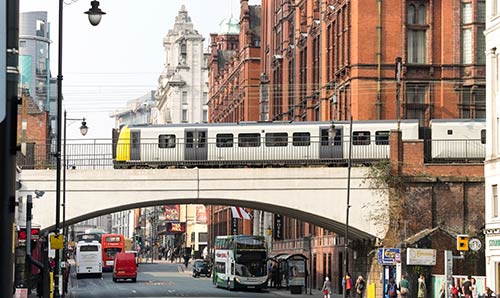
Manchester has the UK's most extensive tram network outside London — the Metrolink covers most of Greater Manchester including MediaCityUK, the Airport, Eccles, and East Didsbury, and connects directly to Manchester Piccadilly and Victoria stations. The Bee Network integrates buses and trams under one system, with tap-and-go contactless payment across both. The Oxford Road bus corridor is one of the busiest bus routes in Europe. Night buses run on key routes. For students in Fallowfield, Withington, and Hulme, the Oxford Road bus is cheap, frequent, and very reliable — and for many students it's all they ever need.
Yes — your NUS/TOTUM card gets discounts across Manchester's shops, restaurants, and venues. A 16–25 Railcard saves a third on all rail fares — essential for Liverpool, London, and Leeds trips. All five students' unions run subsidised events and bars. Manchester Art Gallery, the Science and Industry Museum, and the People's History Museum are completely free. The Whitworth gallery is free. HOME cinema and the Royal Exchange Theatre offer heavily discounted student tickets. The Metrolink and bus system have student season passes. The Curry Mile's food is exceptional value without any discount needed.
Manchester has an excellent part-time job market — particularly in hospitality, retail, creative industries, media, sport, and tech. The Northern Quarter, Ancoats, and Deansgate hospitality scenes provide plentiful bar and restaurant work. MediaCityUK is a growing media and tech employment hub for Salford students. All five universities have active careers services and job boards. Manchester's growing tech and digital sector provides part-time and internship opportunities beyond hospitality. Liverpool is 35 minutes for expanded options, and London is under 2 hours — though Manchester's own job market is strong enough for most students.
Manchester is genuinely rich in culture. Manchester Art Gallery, the Science and Industry Museum, the People's History Museum, and the Whitworth are all free and excellent. The Hallé Orchestra, Manchester Camerata, and BBC Philharmonic are all based in the city. HOME cinema and theatre is outstanding. The Royal Exchange Theatre is world-class. The Northern Quarter's record shops, vintage markets, and independent cafés are a world in themselves. Ancoats and NOMA are exceptional food destinations. The Peak District is 40 minutes for hiking. The Lake District and Snowdonia are accessible for weekend adventures. Old Trafford and the Etihad are iconic.
Manchester is consistently ranked the UK's best student city outside London — and many students who choose it over London say they got a better experience for less money. It combines a Russell Group global top 50 university with world-class nightlife, music, food, culture, and sport at a fraction of London's cost. The 100,000+ student population creates an extraordinarily vibrant and social city. Manchester's warmth and character are real — it is a city that takes students seriously and gives them a genuinely extraordinary three or four years. Students who choose Manchester rarely regret it.
Each of the five universities has distinct strengths. The University of Manchester is globally renowned — the atom was split here, the first programmable computer was built here, and graphene was discovered here. 25 Nobel Prize links. Outstanding for computer science, medicine, law, economics, and engineering. MMU is well-regarded for art and design (Manchester School of Art), sport science, business, and law. Salford is uniquely positioned for media, journalism, and film at MediaCityUK with the BBC and ITV. Bolton offers access-focused vocational programmes in engineering, education, and nursing. The RNCM is a world top-10 music conservatoire.
Yes — across all five, the standard is high for their respective types. The University of Manchester is one of the UK's genuinely great research universities — Russell Group, global top 50, consistently in the UK top 10. Graduate employment rates are excellent. MMU is a strong TEF Silver modern university with outstanding creative and professional programmes. Salford's media degrees benefit from unique industry placement with the BBC and ITV that no other UK university can match. The RNCM's world-class faculty and audition-based entry make it among the finest music training institutions on earth.
Entry requirements vary significantly. The University of Manchester is selective — most courses require ABB–AAA at A-Level, with Medicine, Computer Science, Law, and Economics among the most competitive. MMU is more accessible — most courses require BBC–ABB, with creative programmes often partly portfolio-assessed. Salford requires BBC–ABB for most courses, with media and journalism involving portfolio elements. Bolton is the most accessible — most courses require BCC or equivalent, with a strong commitment to widening participation for students from non-traditional backgrounds. The RNCM is entirely audition-based — grades matter less than demonstrated musical talent and potential.