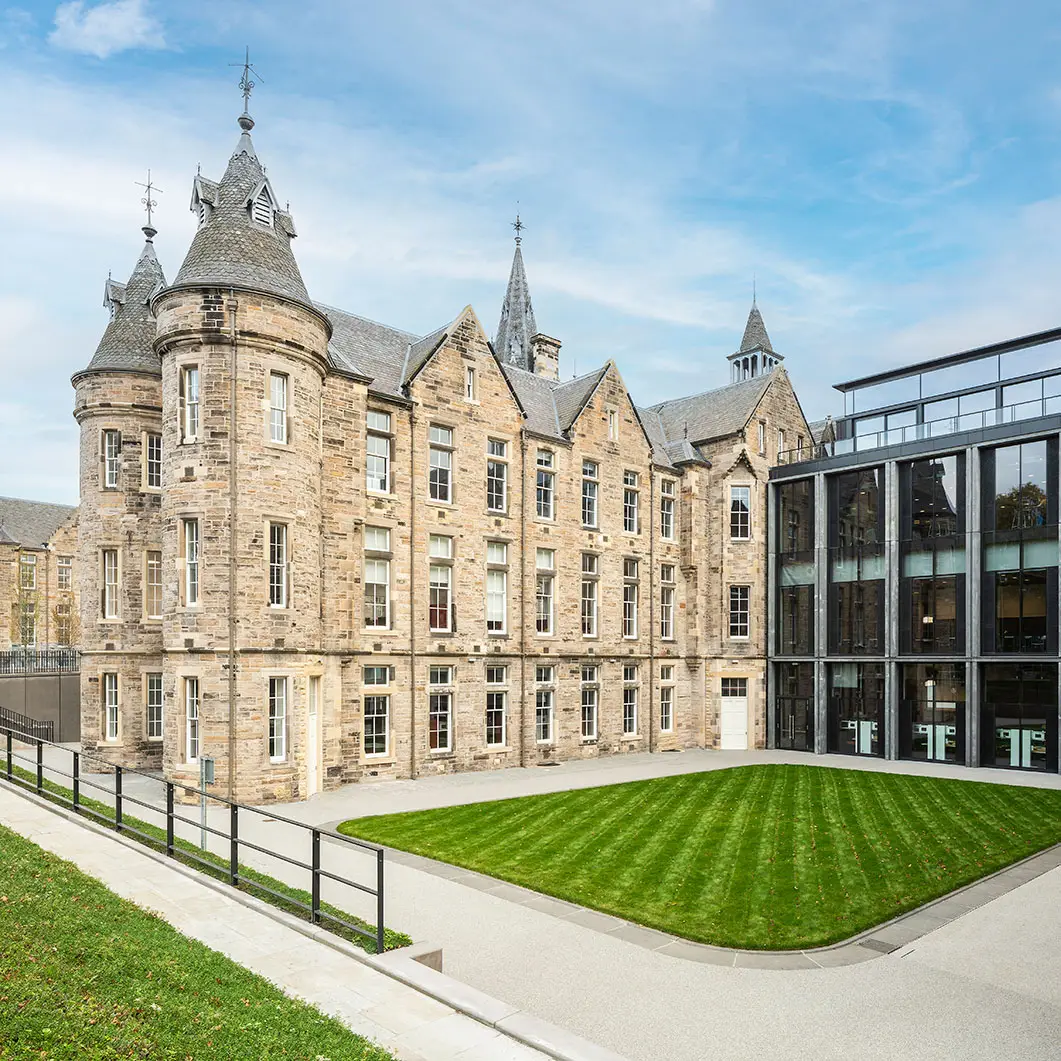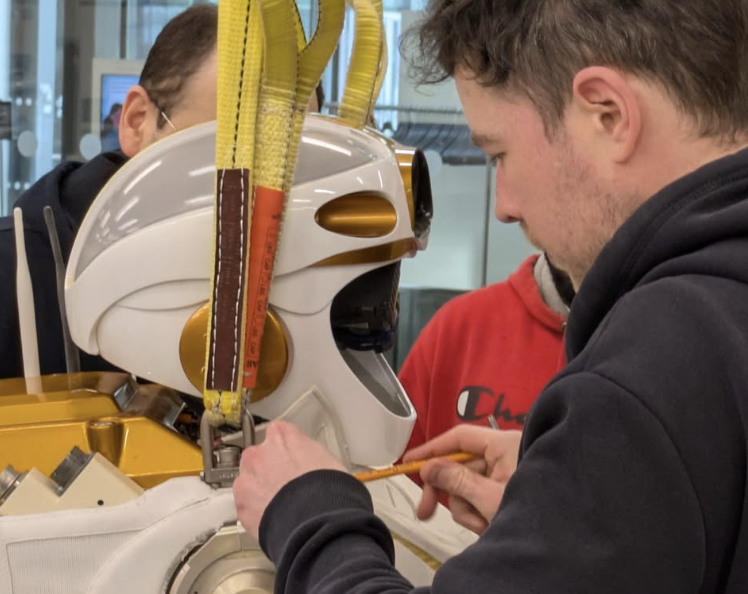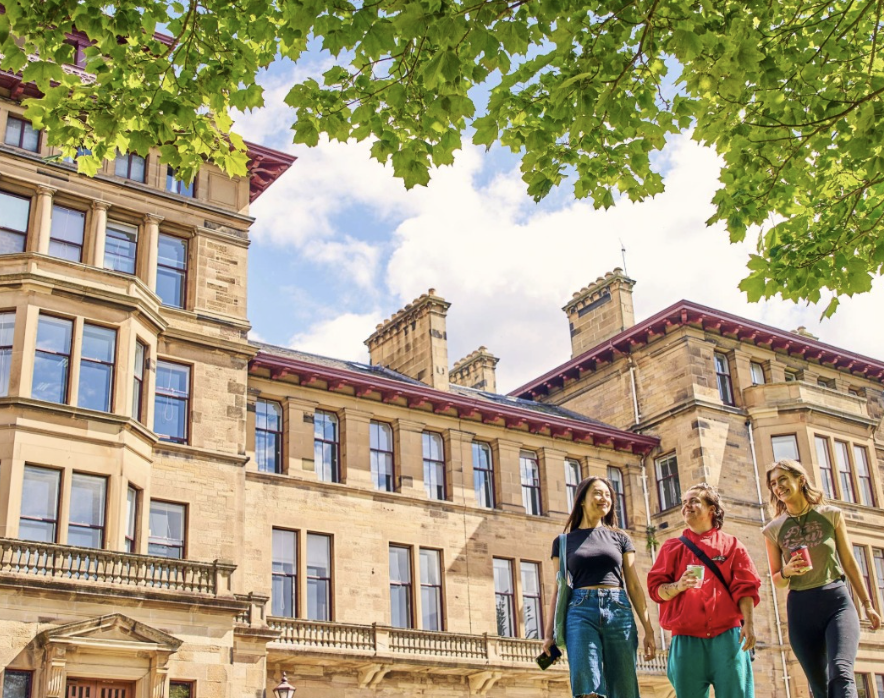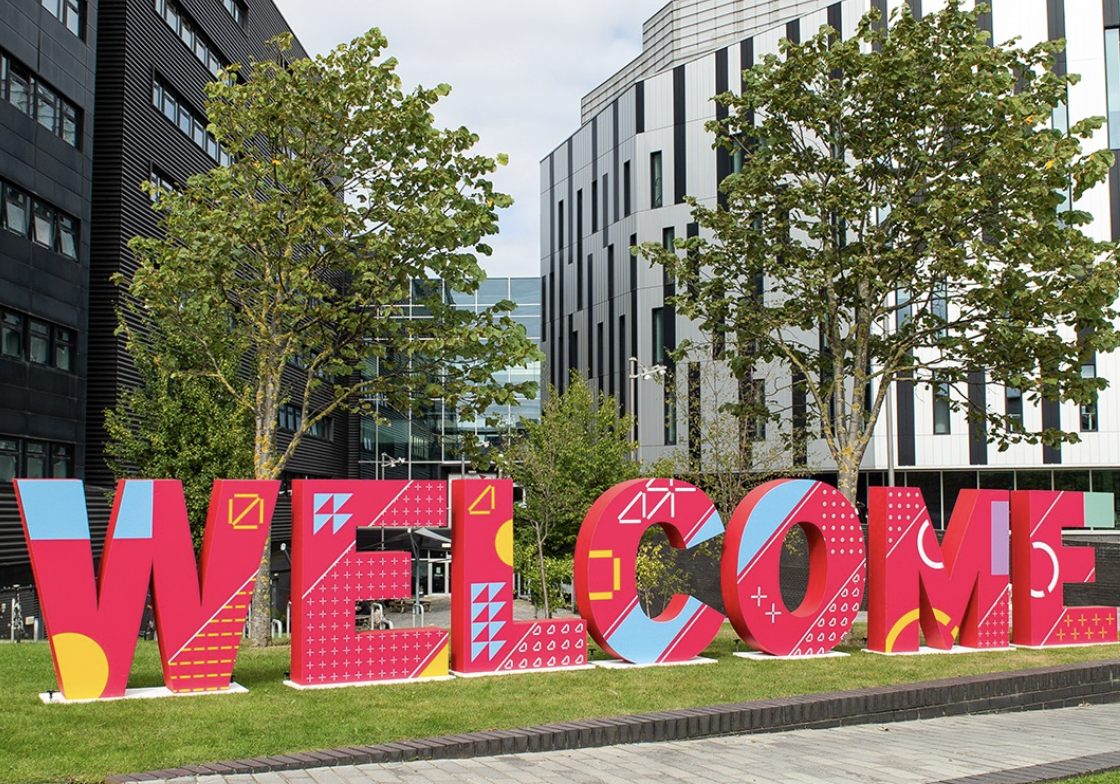
Edinburgh is home to four prestigious institutions offering exceptional education and student experiences.
The University of Edinburgh is consistently ranked in the global top 20 — a Russell Group research powerhouse and one of the world's most prestigious institutions, with a magnificent Old Town campus, extraordinary alumni, and a global reputation across every discipline.

Edinburgh is in the global top 20 and consistently one of the world's finest research universities. Russell Group member with outstanding strength across medicine, law, computer science, informatics, and the humanities. Alumni include Charles Darwin, David Hume, and Tony Blair. Students benefit from world-leading research staff and exceptional facilities.

Edinburgh is consistently ranked among the world's most liveable and beautiful cities — a UNESCO World Heritage Old Town, Arthur's Seat on the doorstep, and the world's biggest arts festival every August. London is under 5 hours by train. Glasgow is 50 minutes. The Scottish Highlands are within easy reach for weekends.

With 45,000+ students from over 150 countries, Edinburgh has one of the most internationally diverse and intellectually ambitious student communities in the world. The Students' Association is one of the UK's oldest and most active. Edinburgh's extraordinary cultural life — festivals, museums, and live music — shapes student life in a way few cities can match.

Edinburgh is more expensive than most Scottish cities but cheaper than London or Oxford. Rent averages £700–£1,000/month. Scottish students pay no tuition fees — a significant saving across a full degree. The university offers bursaries and scholarships for eligible students. Edinburgh's extraordinary cultural life also means much of the best the city offers is free.
Heriot-Watt holds TEF Gold and is one of the UK's leading STEM universities — with a beautiful campus at Riccarton and a global reputation for engineering, science, business, and design. Campuses in Dubai and Malaysia make it one of the most internationally connected universities in Scotland.

Heriot-Watt holds TEF Gold — the highest teaching quality rating — and is one of the UK's leading universities for engineering, science, actuarial science, and business. Strong industry partnerships, work placements, and excellent graduate employment make it a highly career-focused institution with genuinely global impact.

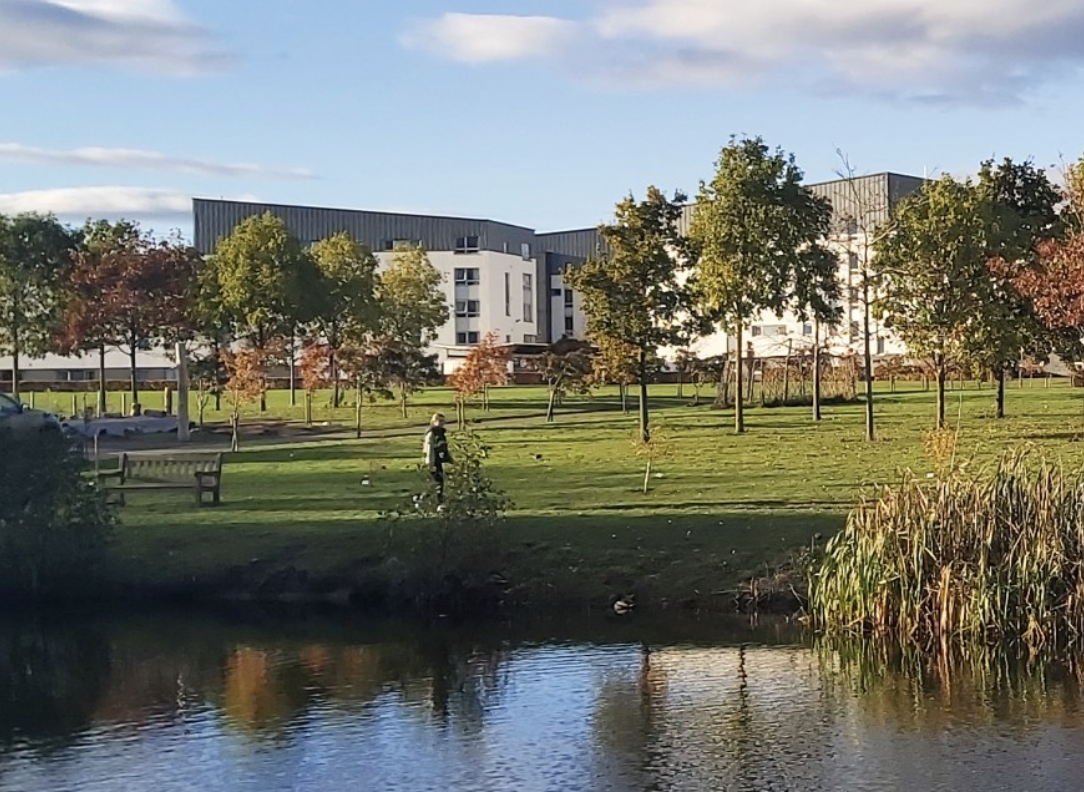
Heriot-Watt's Riccarton campus is a self-contained university village on Edinburgh's western edge — with shops, sports facilities, a loch, and student accommodation all on site. The city centre is 30 minutes by bus. Edinburgh's festivals, culture, and nightlife are all easily accessible.

With campuses in Edinburgh, Dubai, and Malaysia, Heriot-Watt has one of the most internationally diverse student communities of any UK university. The SU is active and the campus's self-contained nature creates a close-knit community. Students from across the world study together in a genuinely global learning environment.

Heriot-Watt's Riccarton campus means many students live on or near campus — keeping rents lower than Edinburgh city centre. Average rent runs £650–£900/month. Scottish students pay no tuition fees. The university offers competitive bursaries and, for many students, the campus lifestyle reduces daily costs compared to city-centre living.
Edinburgh Napier is a TEF Silver university with strong industry connections and one of the most practical, career-focused curricula in Scotland — spread across three campuses in Morningside, Sighthill, and Craiglockhart, each close to Edinburgh's vibrant city life.

Napier holds TEF Silver and achieves strong graduate employment rates (~88%). It is particularly well-regarded for nursing, computing, cybersecurity, film and TV, and engineering. Strong industry connections and work placements are built into courses from day one — making it one of Scotland's most employment-focused modern universities.

Napier's three campuses — Morningside (Craiglockhart), Sighthill, and Marchmont — are spread across Edinburgh's south side, each well-connected to the city centre. Students get the full Edinburgh experience: festivals, culture, Arthur's Seat, and world-class nightlife — without the premium of living right in the Old Town.

With 20,000+ students and a strong international cohort, Napier has a vibrant and inclusive community spread across its three campuses. The Students' Association is active and well-regarded. Edinburgh's extraordinary student city culture — four universities, hundreds of societies, and the world's biggest arts festival — adds richness to student life that no single university could provide alone.

Napier offers competitive tuition fees and access to Edinburgh's full cultural life at lower cost than the city's higher-tariff universities. Campuses in south Edinburgh neighbourhoods mean private housing in Morningside and Sighthill runs £650–£900/month. Scottish students pay no tuition fees. The university offers a range of bursaries and hardship funds.

Queen Margaret University holds TEF Silver and is Scotland's specialist university for health, nursing, business, and creative arts — with a modern self-contained campus in Musselburgh, just outside Edinburgh, and an outstanding record for graduate employment in health and the professions.

QMU holds TEF Silver and achieves around 90% graduate employment — among the highest of any Scottish university. It specialises in healthcare professions, allied health, creative arts, and business — with world-class facilities including specialist clinical and drama studios. For health and allied health courses, QMU is one of Scotland's finest choices.

QMU's purpose-built campus at Musselburgh is just east of Edinburgh — 15 minutes to the city centre by tram or bus. The campus has its own halls, sports facilities, library, and student union. Edinburgh's extraordinary cultural and social life is easily accessible, and the quieter East Lothian setting suits students who want both city access and campus tranquillity.

With 7,000+ students, QMU is small enough to feel genuinely close-knit — staff know students by name, and the specialist focus on health, arts, and business creates a strong shared professional identity. The Students' Association is active and welcoming. Edinburgh's four-university city culture means QMU students can engage with one of the richest student communities in Europe.


QMU's Musselburgh location means students typically pay lower rents than those living in Edinburgh city centre. Average rent runs £600–£850/month. Scottish students pay no tuition fees. The university offers a range of bursaries and the campus setting keeps daily costs manageable — making it Edinburgh's best-value option for specialist professional courses.
Discover the best areas to live based on your budget, lifestyle and university.
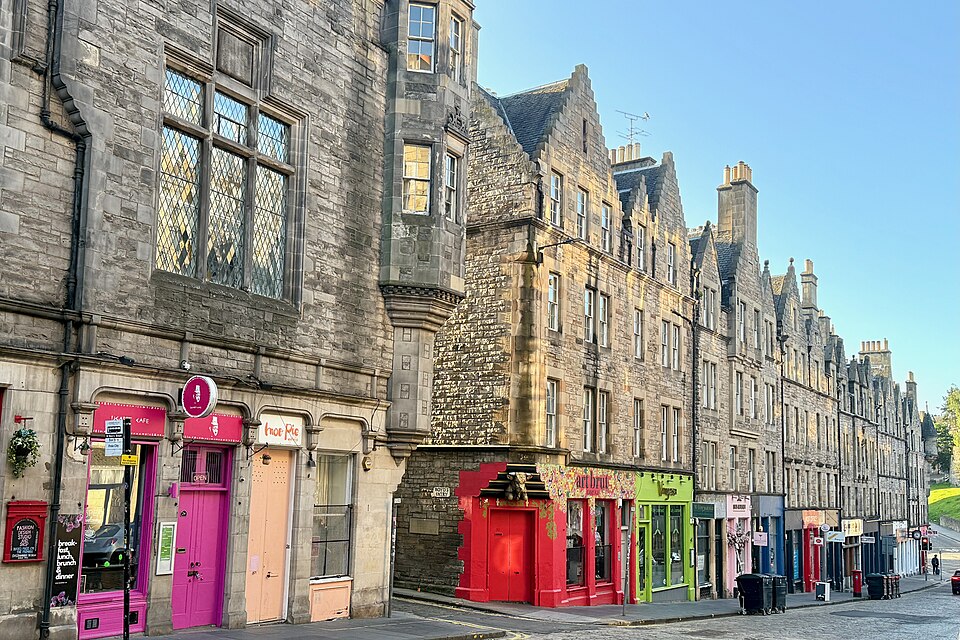
The historic heart of student Edinburgh — the Old Town's cobbled streets, the Meadows, and the University of Edinburgh's central campus are all here. Southside is the classic student area: George Square, Potterrow SU, and the best concentration of independent cafés, bookshops, and bars in the city. The most in-demand and central location for UoE students.
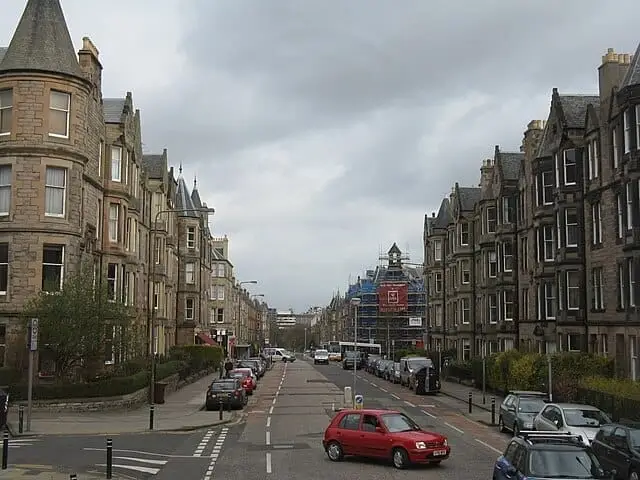
The most popular private housing area for Edinburgh University students — leafy Victorian tenements, brilliant independent cafés and delis along Bruntsfield Place, and Bruntsfield Links for walks and picnics. A 15-minute walk to the university and The Meadows, with a relaxed, community-driven atmosphere that's impossible not to love.
A lively, student-dominated area south of the Old Town — popular with UoE and Napier students, with affordable tenements, good transport links, and proximity to the Pleasance sports complex and The Pleasance theatre venue. Busy, sociable, and very accessible — particularly popular with students who want to be close to everything at competitive prices.
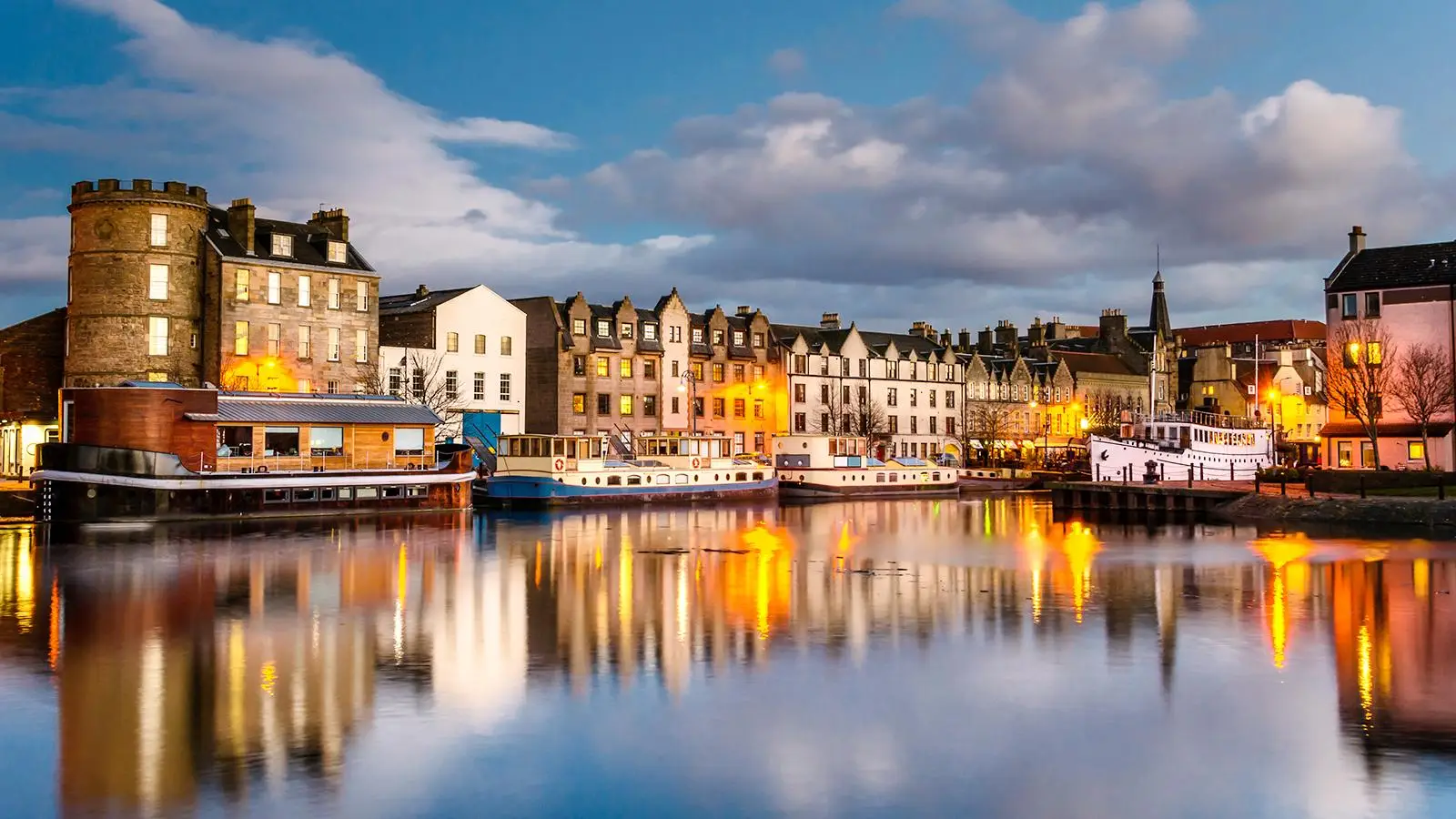
Edinburgh's coolest neighbourhood — a regenerated waterfront area with an extraordinary restaurant scene, indie bars, and a creative, diverse atmosphere. More affordable than Marchmont, and increasingly popular with students who want something hipper than the classic student areas. Leith Walk's tram line connects easily to the city centre.
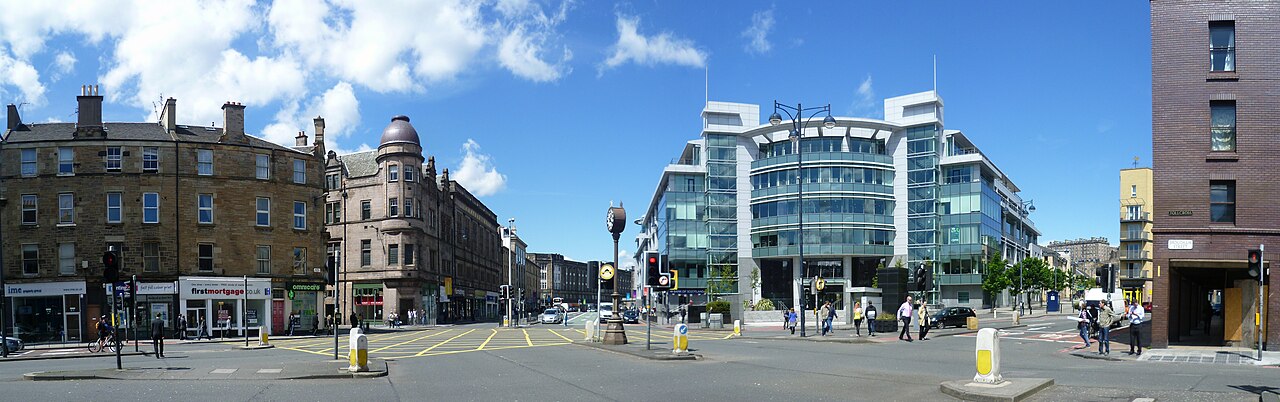
A central, affordable neighbourhood between the Old Town and Marchmont — well-connected to both the university and the city's nightlife, with lower rents than Marchmont or Southside. Popular with students who want good value without being too far from anything. Good local amenities and strong bus links across the city.
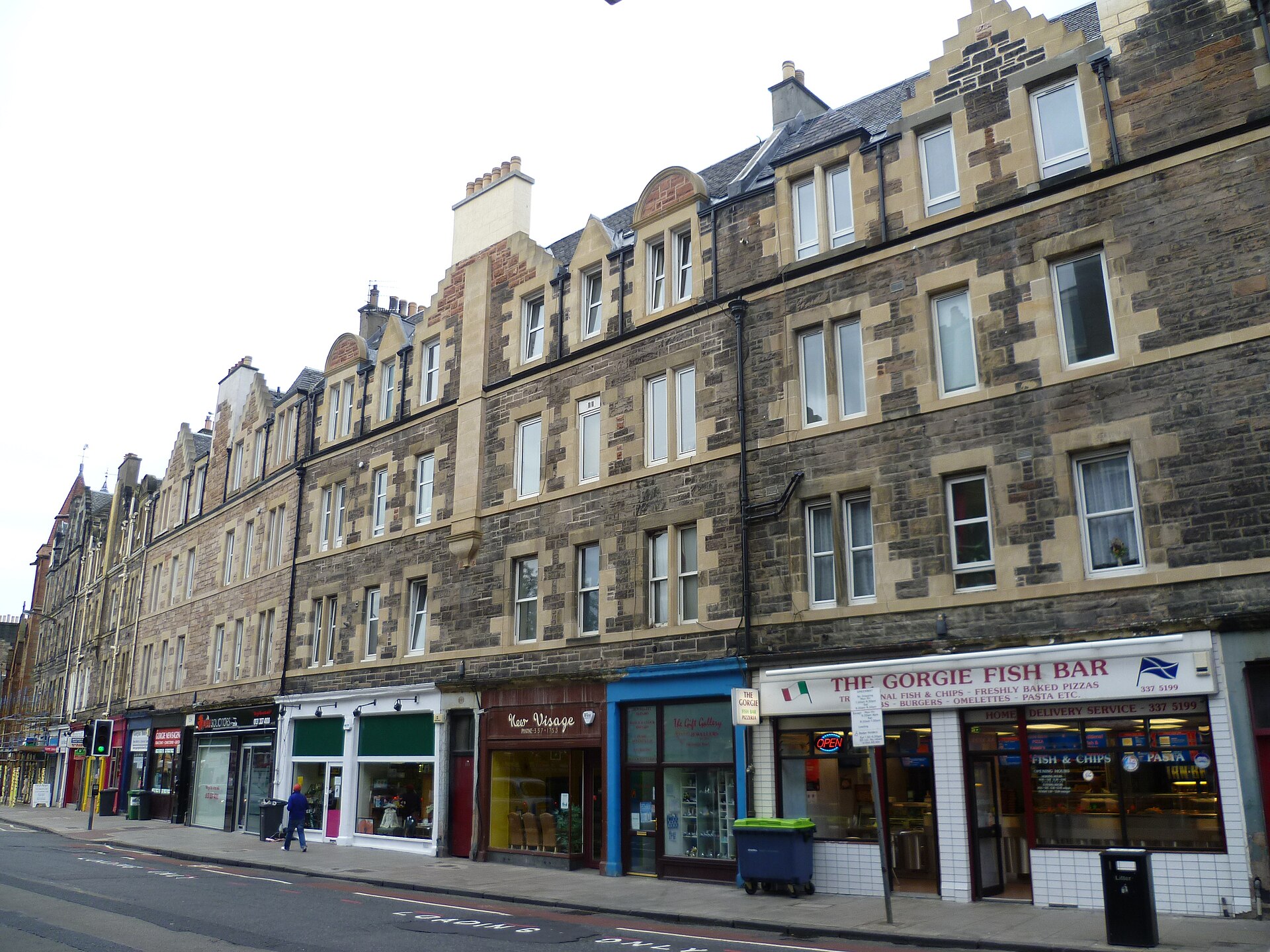
Edinburgh's most affordable student-accessible neighbourhood — west of the city centre with cheap flats, a strong community, and good bus connections to all universities. Popular with students from Napier's Sighthill campus and budget-conscious UoE students. Dalry Road has local shops and a growing independent food scene.
Everything you need to know about student accommodation in Edinburgh.
Secure your student accommodation using these four steps the year before moving in.
Start researching areas and viewing properties for next year. Get a feel for the market before competition heats up.
Peak house hunting season — the best properties go fast. View, decide, and secure your place early!
Last chance to secure places and sign contracts. Don't leave it any later — good options will be gone.
Finalise details, arrange deposits, and prepare to move in. Summer admin sorted before the new year starts.
The best websites and resources for finding student housing in Edinburgh— from official university portals to local letting agents.
Our in-depth review of the top local letting agencies in Edinburgh — rated for responsiveness, value, and student experience.
The official UoE accommodation portal — covering university-managed halls, private halls partnerships, and private sector guidance for returning students in Marchmont, Bruntsfield, and Southside.
Visit siteOfficial housing support for Heriot-Watt students — covering on-campus halls at Riccarton and private sector listings in the surrounding areas for all years of study.
Visit siteReputable nationwide student accommodation site with Edinburgh listings — great for finding shared tenements in Marchmont, Bruntsfield, Newington, Tollcross, and Leith.
Visit siteStudent property search across Edinburgh with thousands of listings. Filter by area, price, and bedrooms to compare Marchmont, Bruntsfield, Newington, Leith, and Gorgie.
Visit siteSearch private rentals and tenements across Edinburgh. Great for comparing prices in Marchmont, Newington, Tollcross, Leith, and Gorgie across all budgets.
Visit siteFind individual rooms in shared flats across Edinburgh — perfect for joining an existing household in Marchmont, Bruntsfield, Newington, or Leith near any of the four universities.
Visit siteOfficial housing support for Edinburgh Napier students — covering halls across Napier's three campuses and private sector listings in Morningside, Sighthill, and surrounding areas.
Visit siteOfficial housing support for QMU students — covering on-campus halls at Musselburgh and private sector guidance for students renting near Edinburgh's east side.
Visit siteOne of the UK's largest private student accommodation providers, with multiple Edinburgh city-centre properties offering modern en-suite rooms and studios near UoE and Napier campuses.
Visit siteGet a realistic estimate of living costs in Edinburgh with our interactive calculator
From the best student nights out to walking routes around the town, get to know Edinburgh with our range of guides written by local students.
Whether your child is considering studying in Edinburgh or already enrolled, this guide covers costs, safety, accommodation, and what life is really like as a student in one of the world's most extraordinary cities.
All four Edinburgh universities guarantee first-year students on-campus or managed accommodation — though at the University of Edinburgh, places are competitive and not always guaranteed. From second year, most students move to shared tenements in Marchmont, Bruntsfield, Newington, or Leith. The private rental market in Edinburgh is competitive — students should start searching in November or December for the following September.
Edinburgh is the most expensive Scottish student city and one of the more expensive in the UK — but significantly cheaper than London or Oxford. Typical monthly costs run £1,200–£1,500 including rent, food, transport, and social life. Scottish students pay no tuition fees — a very significant saving. All four universities offer bursaries and scholarships for eligible students. The city's extraordinary cultural life includes many world-class attractions that are completely free.
Edinburgh has four excellent and distinct universities. The University of Edinburgh is ranked in the global top 20 — a Russell Group world-class institution. Heriot-Watt holds TEF Gold for outstanding STEM teaching. Edinburgh Napier (TEF Silver) achieves ~88% graduate employment. Queen Margaret University (TEF Silver) specialises in health and allied health with ~90% employment rates.
University of Edinburgh parent guide →All four universities provide counselling, mental health advisors, financial hardship funds, disability services, and academic support. The University of Edinburgh's Students' Association is one of the UK's oldest and most active. Edinburgh's four universities share a city-wide student culture that provides a rich support network. The city's compact, walkable nature means help is always nearby.
University of Edinburgh student support →Parents are warmly welcomed at all four Edinburgh university open days. Tour Old College and the UoE campus, Heriot-Watt's remarkable Riccarton campus village, Napier's city-embedded campuses, or QMU's modern Musselburgh campus — and get honest answers about fees, bursaries, welfare, and what student life in one of the world's most extraordinary cities is genuinely like.
University of Edinburgh open days →Edinburgh Castle, the Royal Mile, Arthur's Seat, and the Old Town are all on the doorstep. The National Museum of Scotland, National Gallery, Portrait Gallery, and Modern are all completely free. The Edinburgh Festival Fringe — the world's biggest arts festival — transforms the city every August. The Highlands are two hours away. Stunning Northumberland and the Borders are easily accessible for day trips.
Edinburgh is consistently ranked among the safest major cities in the UK and one of the most liveable in Europe. The main student areas — Marchmont, Bruntsfield, Newington, and Southside — are well-established, community-oriented neighbourhoods. All four universities have active welfare and security teams. Edinburgh's compact, well-lit city centre and vibrant student population make it a city where students feel very quickly at home and at ease.
Typical monthly costs range from £1,200–£1,500 including rent, food, transport, and social life — making Edinburgh more expensive than other Scottish cities, but significantly cheaper than London or Oxford. Rent averages £700–£1,000/month for a room in a shared tenement. Scottish students pay no tuition fees — a very significant saving over the full degree. All four universities offer bursaries and hardship funds for eligible students.
All four universities provide counselling, mental health advisors, financial hardship funds, and academic support. The University of Edinburgh's comprehensive student wellbeing services are among the UK's most extensive. Heriot-Watt and QMU's smaller communities mean staff-student relationships are personal and support is very accessible. Edinburgh's four-university student culture creates a rich, overlapping network of peer support throughout the city.
Edinburgh is excellent for parent visits. Edinburgh Airport has direct flights across the UK, Europe, and beyond. London is under 5 hours by direct LNER train — with frequent services throughout the day. Glasgow is just 50 minutes. When you visit, Edinburgh rewards it completely: the Castle, Old Town, Arthur's Seat, the museums, Leith's restaurant scene, and the Fringe in August make for genuinely memorable parent weekends in one of Europe's most beautiful cities.
All four Edinburgh universities welcome parents at open days — tour the campuses, meet academic and welfare staff, and get honest answers about student life, fees, bursaries, graduate outcomes, and the support available in one of the world's greatest student cities.
Everything you need to know about student life in Edinburgh.
Edinburgh is the most expensive Scottish student city and one of the pricier in the UK — but significantly cheaper than London or Oxford. Total monthly costs typically run £1,200–£1,500, covering rent, food, transport, and social life. Rent averages £700–£1,000/month for a shared tenement flat. Scottish students pay no tuition fees, which is a very significant saving over a full degree. The city's extraordinary cultural life also includes many world-class attractions — the National Museum, National Gallery, Portrait Gallery, and Arthur's Seat — that are completely free.
Edinburgh is consistently ranked among the safest major cities in the UK and one of the most liveable in Europe. The main student areas — Marchmont, Bruntsfield, Newington, Southside, and Leith — are all well-established, community-oriented neighbourhoods. All four universities have active welfare and security teams. Edinburgh's compact, well-connected layout and vibrant student population mean students generally feel very safe and very quickly at home. The city's size is large enough to feel exciting but small enough to feel navigable.
Edinburgh has outstanding nightlife for a city of its size — from the legendary Cowgate club strip and Grassmarket bars to the independent venues of Leith and the Southside's student pubs. The four universities' student unions all run events throughout the year. And every August, the Edinburgh Festival Fringe transforms the entire city into the world's biggest arts festival — one of the most extraordinary student experiences imaginable. Glasgow is 50 minutes away for even bigger nights out.
Edinburgh's private rental market is one of the most competitive in the UK for students. For private housing from second year, start looking in November or December — good properties in Marchmont, Bruntsfield, and Newington are routinely let by January. Don't wait until after Christmas to begin. First-year accommodation is handled through your university — apply early, as UoE halls in particular are competitive. Heriot-Watt's Riccarton campus and QMU's Musselburgh campus halls are generally more accessible for their students.
University and private halls typically cost £700–£1,100/month including bills. Shared tenement flats in Marchmont, Bruntsfield, and Newington average £700–£1,000/month per person excluding bills. More affordable options in Gorgie, Dalry, and Leith run £600–£800/month. Purpose-built student accommodation in the city centre runs £900–£1,300/month — the most expensive option. Edinburgh is significantly pricier than Dundee, Aberdeen, or Stirling, but cheaper than London.
Marchmont and Bruntsfield are the most beloved — leafy Victorian tenements, brilliant cafés, and Bruntsfield Links, with a 15-minute walk to UoE. Newington and Southside are lively and well-priced, very popular with UoE and Napier students. Leith and Leith Walk are Edinburgh's coolest neighbourhood — great restaurants and bars, tram access, more affordable. Tollcross and Polwarth offer good central value. Gorgie and Dalry are the most affordable, with good bus links to all universities.
No — Edinburgh has one of the UK's best public transport networks and is very cycle-friendly. Lothian Buses provide excellent city-wide coverage, and the Edinburgh tram line connects the airport, city centre, and Leith Walk. The city centre, UoE campus, Napier's campuses, and most student areas are within easy walking or cycling distance of each other. A car in Edinburgh is unnecessary for most students — parking is expensive and congestion is significant. A Lothian Buses ridacard offers excellent value for regular bus users.
Edinburgh is exceptionally well-connected. Glasgow is just 50 minutes by direct ScotRail — with extremely frequent services all day. London King's Cross is under 5 hours direct by LNER. Aberdeen is under 2.5 hours. Dundee is 90 minutes. Leeds is around 2.5 hours. Edinburgh Airport has direct flights across the UK, Europe, and beyond. With a 16–25 Railcard, fares drop significantly. National Express coaches provide budget options to London and other major cities.
Excellent — Lothian Buses run a comprehensive, frequent network across the whole city, with a Lothian Buses ridacard offering unlimited travel at a significantly reduced monthly rate. The Edinburgh tram connects the airport to the city centre and Newhaven via Leith Walk. Night buses also run after midnight. Edinburgh Waverley is one of Scotland's main rail hubs, with frequent direct services to Glasgow, Aberdeen, Dundee, London, and beyond. Cycling infrastructure is growing quickly and many students cycle year-round.
Yes — your NUS/TOTUM card gets discounts across Edinburgh's shops, cafés, and venues. A 16–25 Railcard saves a third on all fares including the Glasgow and London services. The National Museum of Scotland, National Gallery, Portrait Gallery, and Scottish Modern Art galleries are all completely free — extraordinary value. Arthur's Seat and Holyrood Park are free. All four students' unions run heavily subsidised events. Gorgie and Leith offer notably good value for food and drink compared to the tourist-heavy Old Town.
Edinburgh has one of the strongest part-time job markets for students in Scotland. Hospitality, retail, and bar work are abundant — particularly in the Old Town, Leith, and Bruntsfield. Festival season (August) creates an extraordinary surge in event, venue, and hospitality jobs. All four universities have careers services with part-time job boards. The city's growing tech and financial services sector also creates internship and graduate-track opportunities for students in those fields.
Edinburgh is extraordinary for culture and the outdoors. Arthur's Seat and the Pentland Hills are on the doorstep for hiking. The National Museum, galleries, and Edinburgh Castle are all world-class. The Fringe every August is one of the world's great events. Leith's restaurant scene is one of the UK's finest. The Scottish Highlands are two hours away. Glasgow is 50 minutes for further culture and nightlife. St Andrews is 90 minutes. The Borders and East Lothian coast are perfect for day trips.
Edinburgh is one of the finest student cities in the world. It combines world-class universities — particularly the global top 20 University of Edinburgh — with one of Europe's most beautiful and culturally rich cities, exceptional transport connections, a safe and welcoming atmosphere, and the extraordinary bonus of the August Fringe. The only caveat is cost: Edinburgh is significantly more expensive than other Scottish cities. But for students who embrace it, it's a genuinely life-changing place to spend three or four years.
The University of Edinburgh is ranked in the global top 20 and is world-renowned for medicine, law, informatics/AI, philosophy, engineering, and business. Heriot-Watt holds TEF Gold and is a global leader in engineering, actuarial science, and applied sciences — with campuses in Dubai and Malaysia. Edinburgh Napier (TEF Silver) achieves ~88% graduate employment and is particularly strong for nursing, computing, and film. Queen Margaret University (TEF Silver) specialises in health, allied health, and drama with ~90% employment rates.
Yes — all four are excellent in their respective areas. The University of Edinburgh is one of the finest universities in the world by any measure. Heriot-Watt is the UK's leading university for several STEM disciplines and has genuine global reach. Napier and QMU consistently achieve outstanding employment rates that reflect genuinely career-focused teaching. Edinburgh's four-university ecosystem also means students can access a breadth of cultural, social, and academic life that no single university alone could provide.
Entry requirements vary significantly across the four universities. The University of Edinburgh is highly competitive — most courses require AAA–A*AA at A-Level, with Medicine and Law among the most selective in the UK. Heriot-Watt typically requires ABB–AAB for most courses. Edinburgh Napier is more accessible, with most courses requiring BBC–ABB. QMU is similarly accessible, with CCC–BBB typical, though health courses can be competitive. All hold open days where direct admissions guidance is available from subject departments.
| Cookie | Duration | Description |
|---|---|---|
| cookielawinfo-checkbox-analytics | 11 months | This cookie is set by GDPR Cookie Consent plugin. The cookie is used to store the user consent for the cookies in the category "Analytics". |
| cookielawinfo-checkbox-functional | 11 months | The cookie is set by GDPR cookie consent to record the user consent for the cookies in the category "Functional". |
| cookielawinfo-checkbox-necessary | 11 months | This cookie is set by GDPR Cookie Consent plugin. The cookies is used to store the user consent for the cookies in the category "Necessary". |
| cookielawinfo-checkbox-others | 11 months | This cookie is set by GDPR Cookie Consent plugin. The cookie is used to store the user consent for the cookies in the category "Other. |
| cookielawinfo-checkbox-performance | 11 months | This cookie is set by GDPR Cookie Consent plugin. The cookie is used to store the user consent for the cookies in the category "Performance". |
| viewed_cookie_policy | 11 months | The cookie is set by the GDPR Cookie Consent plugin and is used to store whether or not user has consented to the use of cookies. It does not store any personal data. |