London · Student city guide
More universities than any other city in the UK, free museums on every corner and a night out for every taste. London is expensive, but it's manageable if you know where to live and how to travel. Here's how it actually works for students.
40+
universities and colleges across the city
£150–£300
a week for a room in a shared house, before bills
30% off
Travelcards and bus passes with an 18+ Student Oyster
£1.85
bus single, with unlimited changes within an hour
Last checked: November 2026
Zone 1 to Zone 3
London's universities are spread across the city, but most student life happens in a handful of areas. Here's how the student map fits together, from the big central campuses to the cheaper neighbourhoods where students actually live.
Getting around: buses are the cheapest way to travel at £1.85 a ride, with unlimited bus changes within an hour. Get an 18+ Student Oyster for 30% off Travelcards and bus passes, and add a 16–25 Railcard for a third off off-peak fares.
1
2
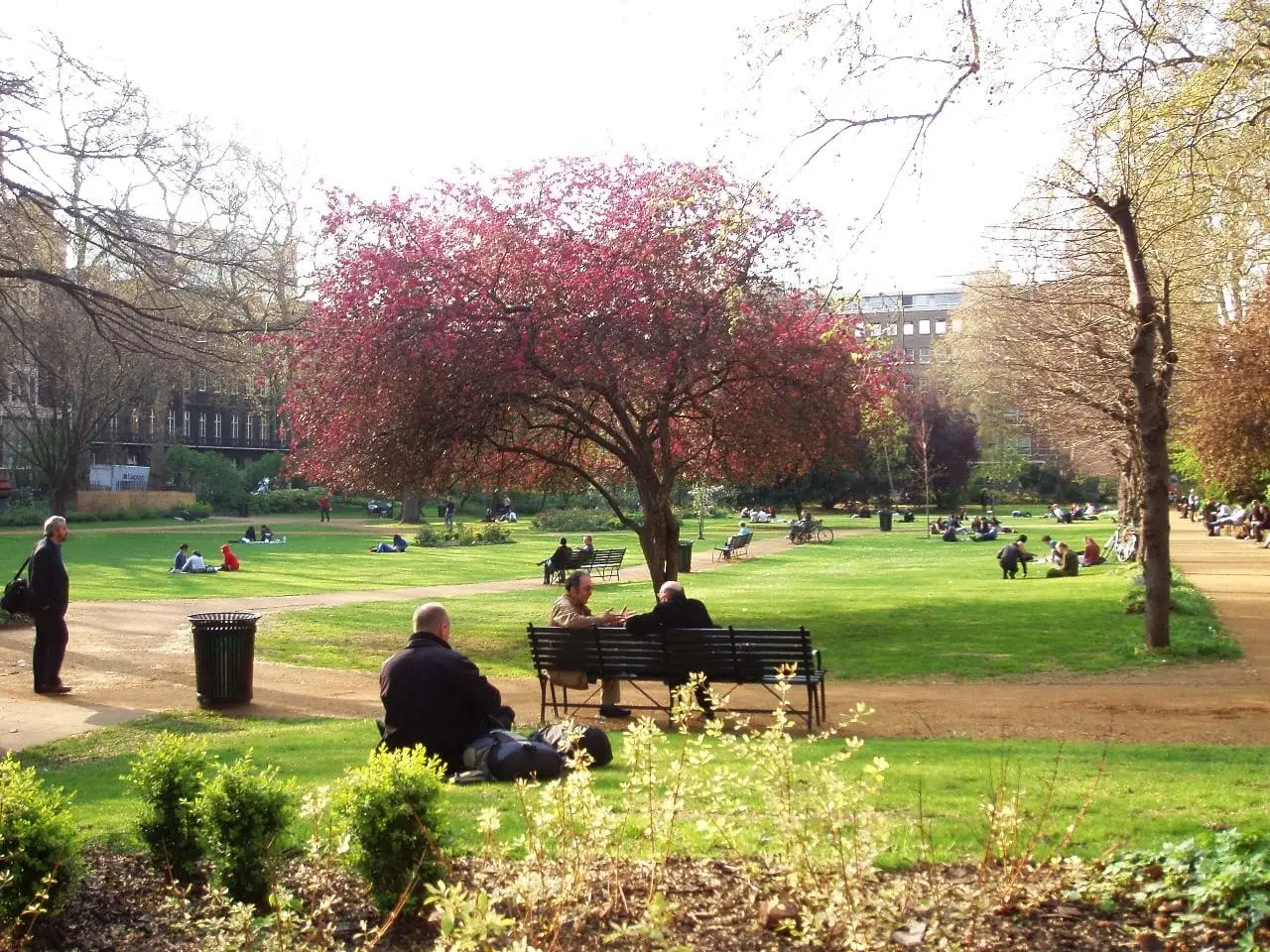
King's College and LSE in the West End, with the Southbank Centre and riverside walks just over Waterloo Bridge.
3
Markets, street food, gigs and pubs, and one of the most popular places for students to live in north London.
4
East London's bars, Brick Lane's curry houses and Queen Mary's Mile End campus a few stops away.
5
Big clubs, food markets and gig venues, with cheaper rents than north of the river.
“London can feel big and isolating, but small communities are what make it special.”
Thea Panayiotou, Unifresher London writer · Read: the dos and don'ts of living in London →
Universities
London has more than 40 universities and colleges, from huge research universities to specialist art schools. Where you study shapes where you'll live, as most students look for an easy commute on one Tube line.
Bloomsbury · Strand · South Kensington
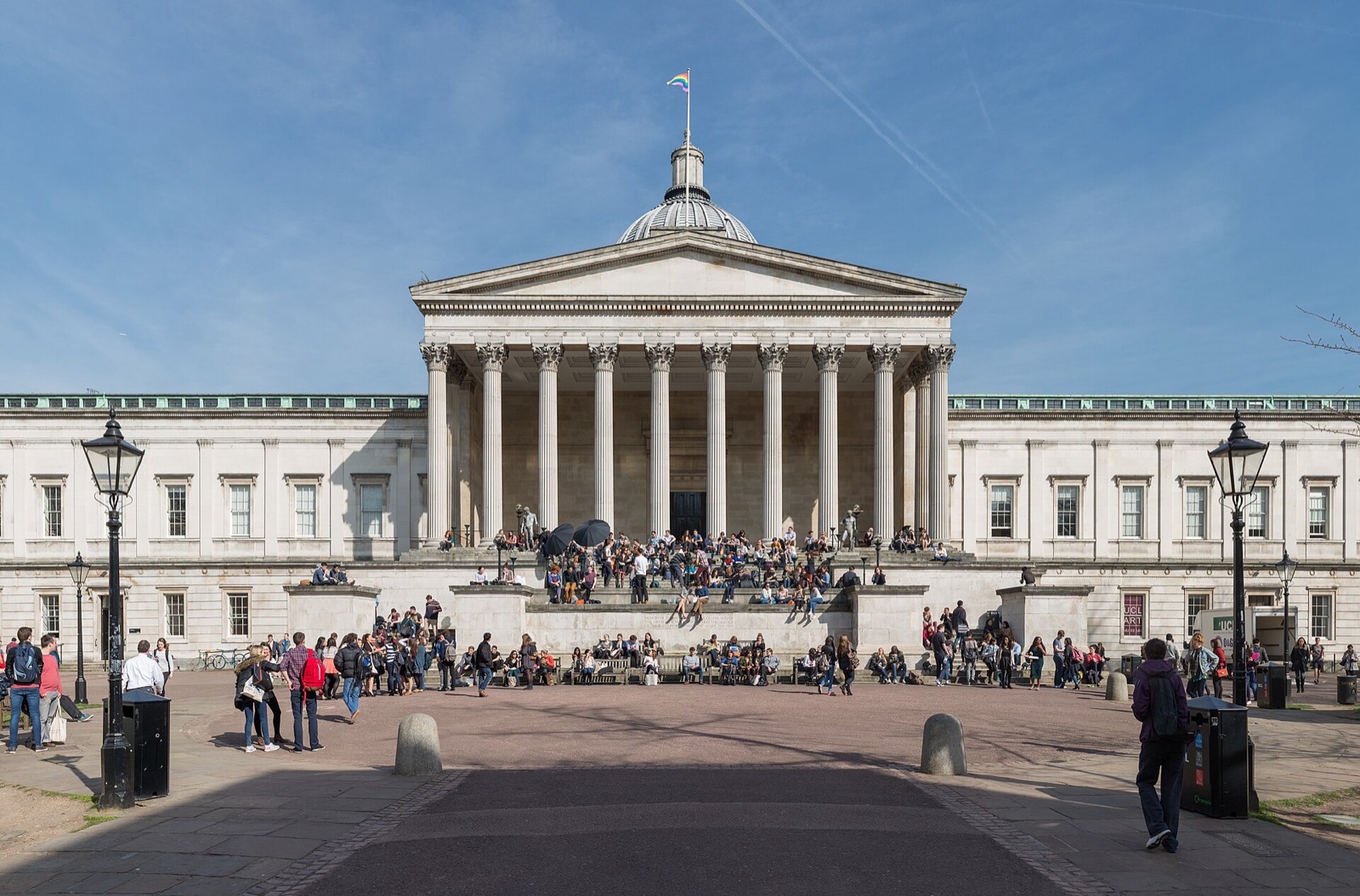
UCL, King's College London, LSE, SOAS, Imperial and the other central universities. Many first-years live in their own halls or in University of London intercollegiate halls.
Mile End · East London
Queen Mary's Mile End campus has its own halls by the canal, and the University of East London and City St George's are close by in east and north-east London.
Also studying in London? Goldsmiths (New Cross), Greenwich, Westminster, UAL, Royal Holloway and many more. Compare universities across the UK →
Neighbourhoods
London rent is the highest in the UK, so the further out you go, the more you save, as long as you're on a good transport line. The pound signs show how these six areas compare with each other.
£££ · Central
01
Walk to UCL, SOAS and the University of London. Mostly halls and purpose-built flats, as private rents here are very high.
Best for: first-years at central universities
££–£££ · Lively
02
Markets, gigs and pubs on the Northern line, with a short commute to Bloomsbury and King's Cross.
Best for: students who want north London's buzz
££ · Studenty
03
Queen Mary's home turf, with shared flats, cheap eats on Mile End Road and the Regent's Canal for walks.
Best for: Queen Mary students and anyone on the Central or District lines
££ · Well connected
04
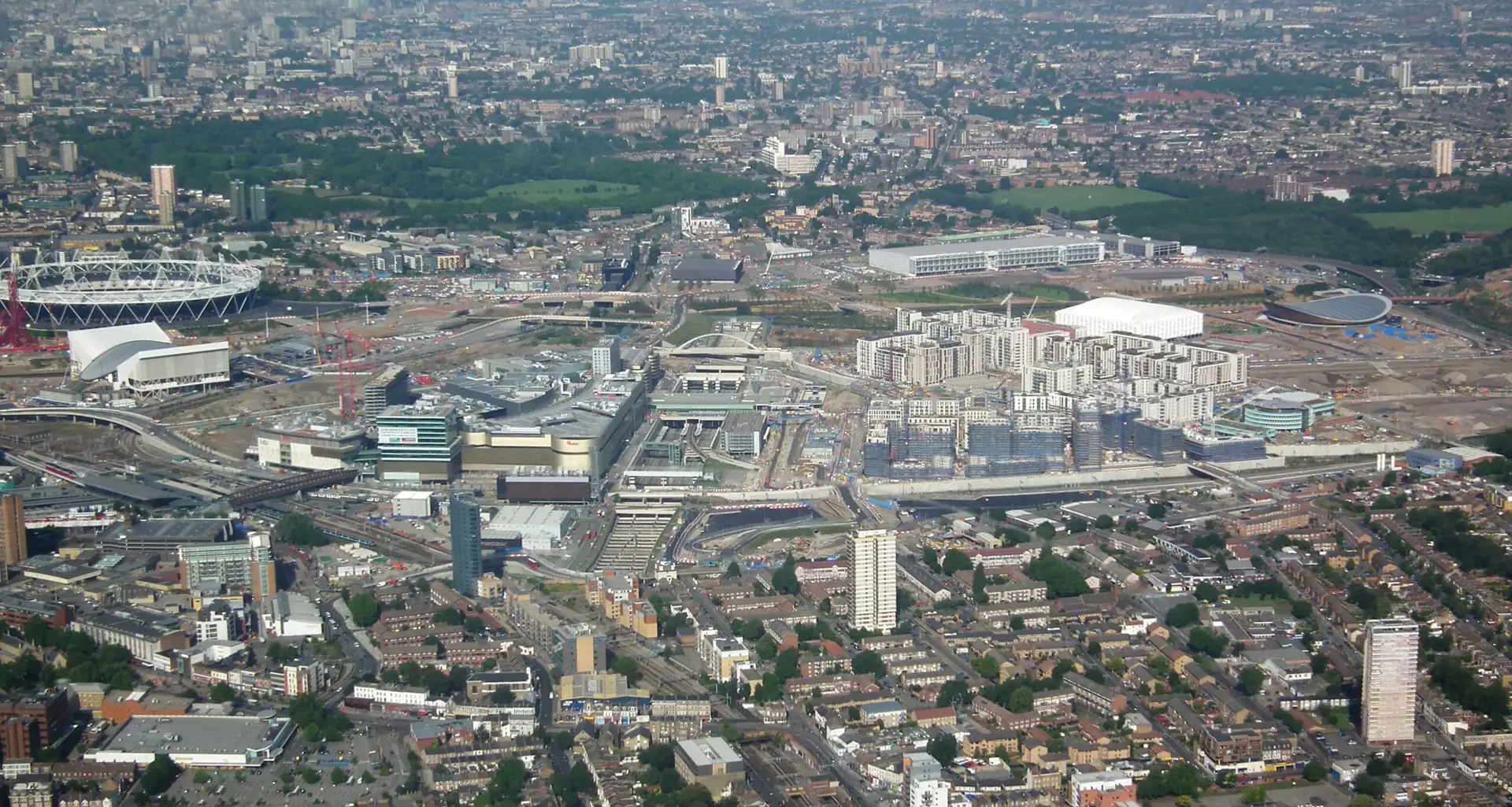
Lots of purpose-built student blocks around the Olympic Park and Westfield, with fast links into the city.
Best for: students who want a modern flat with good transport
££ · Nightlife
05
South London's big nights out, food markets and the Victoria and Northern lines straight into the centre.
Best for: King's and LSE students who want a lively base
£–££ · Arty and good value
06
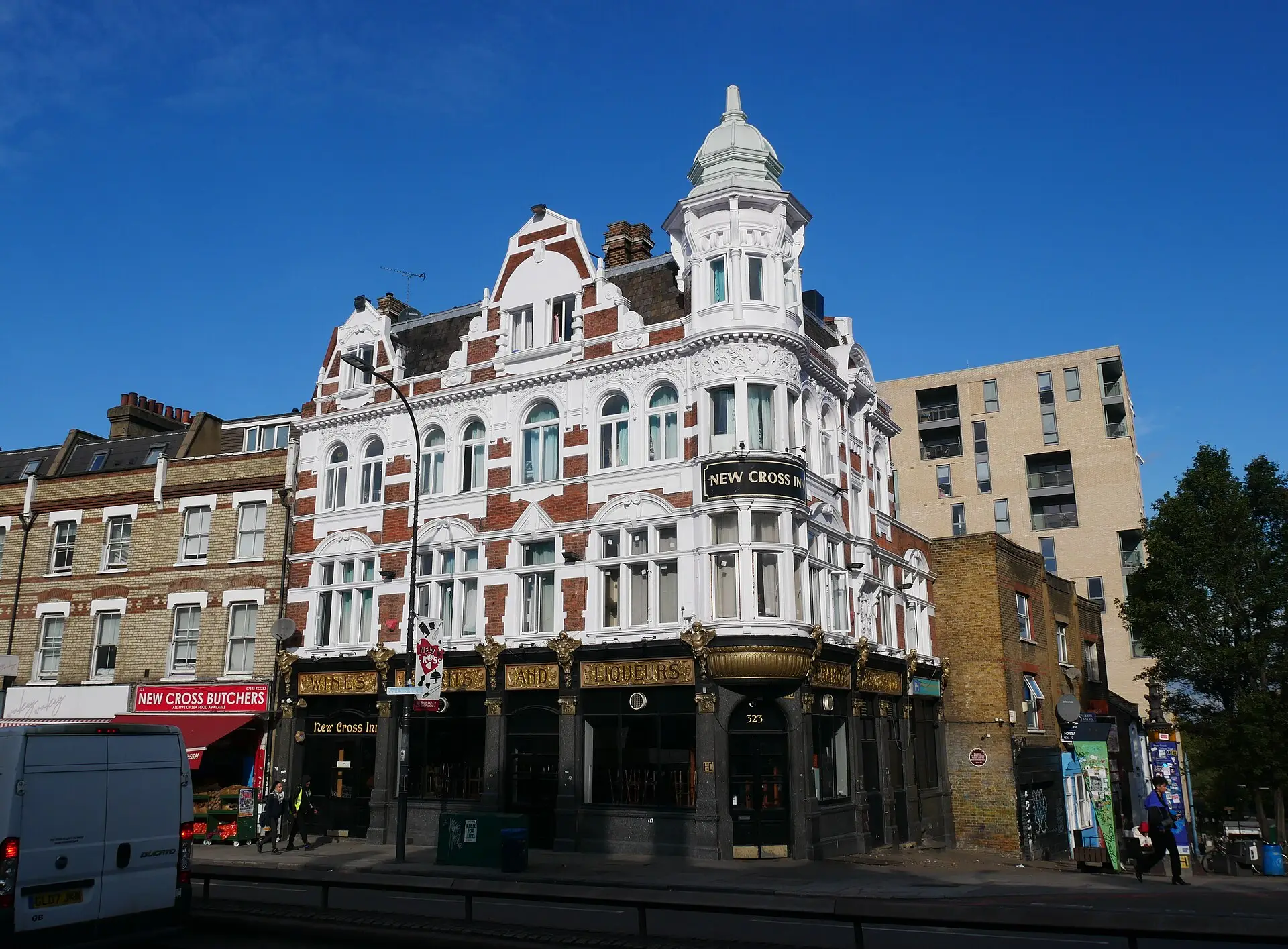
Goldsmiths' neighbourhood: creative, friendly and cheaper than most of London, with the Overground and fast trains to London Bridge.
Best for: Goldsmiths students and anyone keeping rent down
Want a fuller picture? Our guide compares London's student areas zone by zone, from rent to nightlife to commute times.
Which part of London is best?Not sure where to live?
Tell us roughly where you're studying, what matters most and your budget, and we'll point you to an area to start your search.
1. Where are you studying?
2. What matters most?
3. What's your budget?
Shared flats near the markets and gig venues, a short Northern line ride to Bloomsbury and the Strand.
Find a letting agentWhere to book
Compare London's letting agents and student accommodation providers, or work out which type of housing suits you.
Shared flats · London
The student letting agents worth knowing in London, and what to check before you sign.
Read the guide →
Purpose-built · London
Our overview of iQ's rooms, prices and what's included, including its London buildings.
Read the overview →
Money
What it really costs to study in London, and how the bigger London maintenance loan helps.
Read the guide →
Not sure yet?
The pros, cons and costs of each, so you know what to look for.
Compare your options →
Money
London is the most expensive student city in the UK, but the maximum maintenance loan is higher here too. Pick a lifestyle to see what a typical month looks like.
Shared flat in Camden, Mile End or Brixton, a weekly night out and the odd takeaway.
Rent
£950
Bills
£80
Food shop
£190
Travel
£110
Going out
£130
Phone and everything else
£80
About £18,480 a year
£1,540 a month
Estimates to help you plan, not quotes. London rents vary hugely by zone and by street, so check real prices before you sign anything. For 2026/27 the maximum maintenance loan in London is £14,135.
Where a typical £1,540 month goes
■ Rent · 62%
■ Food · 13%
■ Going out · 8%
■ Bills · 5%
■ Everything else · 5%
■ Travel · 7%
Money tips
1
Get an 18+ Student Oyster
It gives you 30% off Travelcards and bus and tram passes. Add a 16–25 Railcard to it for a third off off-peak pay as you go fares too.
2
Take the bus
A bus single is £1.85, and the Hopper fare lets you change buses as often as you like within an hour. Bus travel is capped at £5.55 a day.
3
Do the free stuff
The British Museum, the National Gallery, Tate Modern, the V&A and the Natural History Museum are all free, as are London's huge parks.
4
Always ask for student discount
Cafés, restaurants, shops, cinemas and theatres across London offer student deals. Carry your student ID everywhere.
5
Live further out, on the right line
A room in Zone 2 or 3 near a fast Tube or Overground line can save you hundreds a month compared with Zone 1.
“Right in the heart of Brixton sits Phonox, a club famous across London for its incredible sound system and dedication to underground electronic music.”
Alex Green, Unifresher London writer · Read: the best places to go out in Brixton →
Going out
London's nightlife is spread across the whole city, so most students pick one or two areas and get to know them well. Pick an area to see where students go.
Talk like a Londoner
Guess what each one means, then tap to check.
Wagwan
What's going on? How are you?
"Wagwan, you good?"
Bare
Lots of, or very.
"There were bare people at the party."
Peak
Unlucky or bad news.
"The Tube's down again? That's peak."
Long
Tedious, too much effort.
"Going to Zone 6 for a party is long."
Allow it
Stop it, leave it out.
"£8 for a pint? Allow it."
Peng
Attractive, or really good.
"That jerk chicken was peng."
Innit
Isn't it, or just agreeing.
"It's cold today, innit."
Bruv
Mate, friend.
"Cheers, bruv."
Written by London students
Our student writers pick their favourite places so you don't have to work it out alone.
Editor's pick · Where to live
London's student areas compared, from rent and commute times to nightlife and things to do.
Read the guide →
More from our London writers
Money
How to save money as a student in London →
Survival guide
The dos and don'ts of living in London as a student →
Travel
Is the 18+ Student Oyster card worth it? →
Where to live
London neighbourhood guide for King's students →
Nights out
The 9 best student bars in London →
Fresh from our writers
New guides, reviews and things to do in London, written by students who live there.
Save money
Verified discounts on food, fashion, tech, gyms and more, including offers you'll only find on Unifresher.
Browse student dealsFor businesses
Want your brand in front of students at UCL, King's, LSE, Queen Mary and London's other universities? Feature on this guide or partner with Unifresher.
Partner with usJust arrived?
Eight small jobs that make your first term in London much easier. Most take ten minutes.
✓
Register with a GP
Sign up near your term-time address before freshers' flu hits. Your uni will point you to a local practice.
✓
Apply for an 18+ Student Oyster
You'll get 30% off Travelcards and bus and tram passes. There's a small admin fee, so check the current price on the TfL website.
✓
Get a 16–25 Railcard
Add it to your Oyster for a third off off-peak Tube and rail fares, and use it for trips home too.
✓
Find your Students' Union
Go to the Freshers' Fair and join a society or two. It's the easiest way to meet people outside your flat.
✓
Save campus security's number
Every university has a 24-hour security line. Put it in your phone now.
✓
Check your contents insurance
Bikes, phones and laptops do get stolen in student areas. Find out whether your halls or house already include cover.
✓
Learn your route home
Know which night bus or Night Tube gets you home, keep your phone charged and stick to busy, well-lit roads.
✓
Sort a TV Licence if you need one
You need one to watch live TV or use BBC iPlayer, even on a laptop or phone.
Useful links
University accommodation offices, travel tickets and the admin every student needs to sort.
FAQs
Is London a good city for students?
For many people, yes. It has more universities than any other UK city, world-class museums (many free), huge job and internship opportunities and nightlife for every taste. The trade-off is cost, especially rent.
Which area of London is best for students?
It depends on your university. Popular student areas include Camden, Bloomsbury and Islington for central universities, Mile End and Stratford for Queen Mary, Brixton and Elephant and Castle for King's and LSE, and New Cross for Goldsmiths.
How much is student rent in London?
A room in a shared private flat often costs about £150–£300 a week in 2026/27, before bills. University and intercollegiate halls can be cheaper, while purpose-built studios in Zone 1 can cost much more.
Is London safe for students?
Most students feel safe in London, but phone theft is common. Keep your phone away from the kerb, be aware of your surroundings, use licensed taxis or night buses, and plan your route home.
How do students get around London?
By bus, Tube, Overground and bike. A bus single is £1.85 with unlimited bus changes within an hour, and bus travel is capped at £5.55 a day. An 18+ Student Oyster gives 30% off Travelcards and bus passes.
Is the London maintenance loan bigger?
Yes. In 2026/27 the maximum maintenance loan for students living away from home in London is up to £14,135, compared with £10,830 elsewhere in England.
Pitch a guide or join our team of student writers. We're always looking for people at London's universities.
Write for UnifresherRankings, halls, costs and student life at each university in London.